
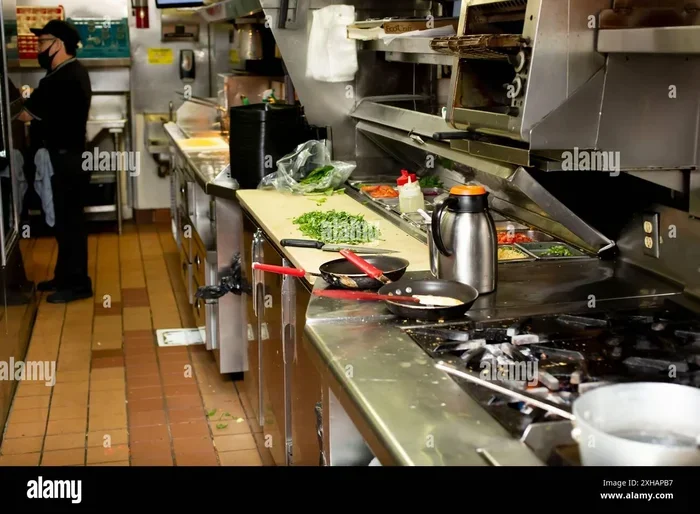

Kitchen Nightmares Season 1 introduced viewers to some of the most shocking restaurant failures ever caught on TV. Gordon Ramsay faced filthy kitchens, angry owners, and completely broken businesses in this unforgettable first season. Each episode showed real drama, tough love, and the fight to save restaurants on the brink of closing forever.
When Kitchen Nightmares Season 1 first aired, it changed the landscape of food television forever. Viewers got a raw, unfiltered look at some of the worst restaurants in the United Kingdom. Gordon Ramsay walked into chaos, confusion, and sometimes outright danger. He faced kitchen disasters that most people never imagined could exist in a professional dining environment.
The first season became a massive hit because it felt real. There were no scripts, no setups, and no exaggerations. Every restaurant told a genuine story of struggle, mismanagement, and near failure. Kitchen Nightmares Season 1 gave audiences a front-row seat to restaurant turnarounds that were as dramatic as they were heartbreaking. Whether a place survived or shut its doors for good, each episode left a lasting impression.
What made this season so compelling was the variety of problems. Some restaurants suffered from terrible kitchen hygiene. Others had owners who refused to accept that anything was wrong. A few had menus so confusing that customers left frustrated and never came back. Ramsay tackled all of it with his signature directness and sharp expertise. The result was television that was both entertaining and deeply informative.
Key Takeaways
- Season 1 set the tone: It established the raw, unfiltered format that made the show a global phenomenon.
- Gordon Ramsay used tough love: His direct approach exposed deep problems in every restaurant he visited.
- Real business failures: Many restaurants featured in Season 1 were on the verge of permanent closure.
- Hygiene was a major issue: Filthy kitchens and food safety violations were common themes throughout the season.
- Not all stories had happy endings: Some restaurants could not be saved, which added emotional weight to the series.
- Restaurant owners played key roles: Ego, denial, and poor management were recurring obstacles Ramsay faced.
- Season 1 built the show’s legacy: It proved that restaurant reality TV could be both entertaining and educational.
📑 Table of Contents
- The Format That Started It All
- Memorable Restaurants from Season 1
- Common Problems Ramsay Found
- The Impact of Gordon Ramsay’s Approach
- Success Stories and Sad Endings
- Why Kitchen Nightmares Season 1 Still Matters
- Key Lessons from Kitchen Nightmares Season 1
- Quick Tips for Aspiring Restaurant Owners
- Common Mistakes That Led to Restaurant Failures
- Expert Insights on the Legacy of Season 1
- Key Takeaways
- Frequently Asked Questions
- Conclusion
The Format That Started It All
The original format of Kitchen Nightmares Season 1 became the blueprint for every season that followed. Ramsay would arrive at a struggling restaurant unannounced. He would inspect the kitchen, taste the food, and observe the dining room. Within days, he would implement changes and try to rescue the business from collapse.
Unannounced Restaurant Visits
One of the most powerful elements of the show was the surprise arrival. Restaurant owners did not know Ramsay was coming until he walked through the door. This created genuine shock, fear, and sometimes anger. The raw reactions of owners in Kitchen Nightmares Season 1 felt completely authentic because they were.
Ramsay would immediately start assessing the situation. He would check the food safety standards, look at storage practices, and examine the overall cleanliness of the facility. Often, what he found was disturbing. Rotten ingredients, dirty surfaces, and cross-contamination risks were common discoveries. These moments set the stage for the intense restaurant rescue missions that followed.
The Inspection Process
Once Ramsay got a full picture of the restaurant, he would sit down with the owner. This conversation was often the most emotional part of each episode. Owners would defend their food, their methods, and their decisions. Ramsay would push back hard, sometimes raising his voice, sometimes going silent to make a point.
The inspection process in Kitchen Nightmares Season 1 was thorough and no-nonsense. Ramsay did not sugarcoat anything. He told owners exactly what was wrong and why customers were staying away. His blunt honesty was both shocking and refreshing. Audiences appreciated that he did not hold back, even when it made people uncomfortable.
Memorable Restaurants from Season 1
Kitchen Nightmares Season 1 featured some of the most memorable restaurant stories in television history. Each establishment had its own unique set of problems. Some were fixable with hard work and guidance. Others were deeply broken beyond repair.
Restaurants on the Verge of Closure
Several restaurants in Season 1 were barely staying afloat financially. They had mounting debts, declining customers, and demoralized staff. The business failure stories were painful to watch but also eye-opening. Many owners did not realize how badly their operations were failing until Ramsay laid out the facts.
In one particularly striking case, a restaurant had so many health code violations that it seemed impossible it had stayed open. The kitchen hygiene was in terrible shape. Staff members did not follow basic food handling procedures. Ingredients were stored incorrectly, and surfaces were never properly cleaned. Ramsay had to overhaul nearly everything to give the place a fighting chance.
Owners in Denial
A recurring theme in Kitchen Nightmares Season 1 was the owner who refused to acknowledge problems. These restaurant owners believed their food was great, their service was fine, and the only issue was bad luck or unfair competition. Ramsay had a way of breaking through that denial, but it was never easy.
Ego played a huge role in these situations. Some owners had invested their entire identity into the restaurant. Criticism felt like a personal attack. Ramsay understood this dynamic and used it strategically. He would praise what was working and then focus intensely on what was not. This approach helped owners become more receptive to change.
Menu Overhaul Challenges
Many restaurants in Season 1 had menus that were completely overloaded. They tried to offer too many dishes, which led to inconsistency and waste. Ramsay consistently pushed for a menu overhaul that focused on fewer items prepared exceptionally well.
The logic was simple. A smaller menu meant better quality control. It allowed the kitchen to work faster and more efficiently. It also reduced food costs and minimized the risk of ingredients going bad. Kitchen Nightmares Season 1 taught viewers that less is often more when it comes to running a successful restaurant.
Common Problems Ramsay Found
Throughout Kitchen Nightmares Season 1, Ramsay encountered a pattern of recurring issues. These problems were not unique to any single restaurant. They appeared again and again, showing deeper systemic failures in the businesses.
Hygiene and Sanitation Issues
The most disturbing findings in Season 1 related to kitchen hygiene. Dirty prep surfaces, expired ingredients, and pest problems were shockingly common. In some cases, the conditions were so bad that they posed genuine health risks to customers.
Food safety violations were a major focus for Ramsay. He made sure every restaurant understood the seriousness of proper sanitation. Handwashing stations were often missing or ignored. Storage areas were disorganized and unsanitary. These issues were not just about cleanliness. They reflected a deeper lack of respect for the craft of cooking and the people eating the food.
Poor Management and Leadership
Beyond the physical state of the kitchens, management problems plagued many restaurants in Season 1. Staff were confused, unmotivated, or poorly trained. There was no clear chain of command. Everyone was doing their own thing, and the result was chaos during service.
Restaurant management is the backbone of any successful dining establishment. Without strong leadership, even the best chefs cannot succeed. Ramsay emphasized this point repeatedly in Kitchen Nightmares Season 1. He showed that fixing the kitchen was only half the battle. Changing the culture and leadership of the business was equally important.
Financial Mismanagement
Money problems were another frequent issue. Restaurant owners in Season 1 often had no clear understanding of their costs, profits, or cash flow. They were spending too much on ingredients, paying staff incorrectly, or pricing menu items too low to sustain the business.
Ramsay brought a business perspective that many owners lacked. He reviewed financial records, examined supplier contracts, and identified areas where money was being wasted. This practical approach to restaurant management set Kitchen Nightmares Season 1 apart from other food shows. It was not just about cooking better food. It was about running a viable business.
The Impact of Gordon Ramsay’s Approach
Gordon Ramsay’s style in Kitchen Nightmares Season 1 was unlike anything audiences had seen before. He was blunt, passionate, and sometimes intense. But beneath the tough exterior was a genuine desire to help struggling restaurant owners turn their lives around.
Tough Love as a Teaching Tool
Ramsay’s famous tough love approach was central to the show’s appeal. He did not coddle owners or walk on eggshells. When something was wrong, he said so directly. This approach was polarizing for some viewers, but it was effective.
The restaurant turnaround process required honesty. Owners needed to hear hard truths if they wanted to change. Ramsay provided those truths without sugarcoating them. His passion for quality food and proper standards was infectious. Even the most resistant owners often came around once they saw his genuine investment in their success.
Building Trust with Staff and Customers
Another important aspect of Ramsay’s approach was building trust. He worked with the staff to improve their skills and confidence. He showed customers that the restaurant was committed to change. This trust-building process was essential to any lasting restaurant makeover.
In Kitchen Nightmares Season 1, the most successful transformations happened when the entire team bought into the new vision. It was not enough for the owner to change. The chefs, servers, and kitchen staff all needed to understand and embrace the new standards. Ramsay made this clear through his hands-on involvement and patient guidance.
Success Stories and Sad Endings
Not every restaurant in Kitchen Nightmares Season 1 was saved. Some owners embraced the changes and turned their businesses around. Others resisted, argued, or simply could not overcome their deep-rooted problems. Both outcomes made for powerful television and valuable lessons.
Restaurants That Thrived After Ramsay’s Visit
The success stories from Season 1 were inspiring. Restaurants that had been on the verge of closing permanently managed to rebuild and thrive. These establishments saw improvements in food quality, customer satisfaction, and financial performance. The restaurant rescue missions proved that with the right guidance and willingness to change, even the most troubled businesses could recover.
Key factors in successful turnarounds included:
- A humble and open-minded owner
- A willingness to cut the menu down to quality over quantity
- Commitment to maintaining kitchen hygiene standards
- Better restaurant management and staff training
- A realistic understanding of their target customers and dining experience expectations
Restaurants That Could Not Be Saved
On the other hand, some restaurants featured in Kitchen Nightmares Season 1 were beyond help. The owners were too set in their ways, the damage was too extensive, or the business model was fundamentally flawed. These sad endings added emotional depth to the series and reminded viewers that not every story has a happy resolution.
These cases were just as important as the success stories. They showed the harsh reality of the restaurant industry. Not every business can be saved, no matter how much talent or effort is invested. The restaurant closure episodes in Season 1 were sobering reminders of how fragile the restaurant business can be.
Why Kitchen Nightmares Season 1 Still Matters
More than two decades after its original airing, Kitchen Nightmares Season 1 remains relevant. It set the standard for restaurant reality television and established themes that resonate with viewers today. The lessons from Season 1 apply to anyone interested in food, business, or the challenges of entrepreneurship.
The show opened people’s eyes to the realities behind restaurant doors. Most diners never see what happens in the kitchen after the front-of-house staff clears their plates. Kitchen Nightmares Season 1 pulled back that curtain and showed the messy, complicated, and often heartbreaking truth about running a restaurant.
For aspiring restaurant owners, the season offers valuable cautionary tales. For food lovers, it provides a deeper appreciation for the craft and effort behind every meal. And for fans of Gordon Ramsay, it remains the foundation of one of his most iconic television careers.
Key Lessons from Kitchen Nightmares Season 1
The lessons from Kitchen Nightmares Season 1 extend far beyond the world of professional restaurants. Anyone who runs a business, manages a team, or strives for quality in their work can find valuable takeaways.
First, honesty matters. Ignoring problems does not make them go away. In fact, problems almost always get worse when they are left unaddressed. Ramsay’s willingness to confront uncomfortable truths was the driving force behind every successful transformation in the season.
Second, simplicity wins. The restaurants that thrived after Ramsay’s intervention were the ones that embraced a focused, streamlined approach. They cut their menus, simplified their operations, and committed to doing fewer things at a higher level.
Third, leadership is everything. A restaurant is only as good as the people running it. Strong, accountable leadership creates a culture of excellence. Weak or absent leadership leads to chaos, inconsistency, and eventual failure.
Finally, change is possible but it requires effort. Every successful restaurant turnaround in Season 1 involved hard work, sacrifice, and a genuine commitment to improvement. There were no shortcuts. The owners who embraced this reality saw real results.
Quick Tips for Aspiring Restaurant Owners
Drawing from the lessons of Kitchen Nightmares Season 1, here are some practical tips for anyone thinking about opening or running a restaurant:
- Keep your menu focused. Offer fewer dishes and make each one excellent.
- Prioritize hygiene and food safety above everything else.
- Know your numbers. Understand your costs, pricing, and profit margins.
- Listen to feedback from customers and staff.
- Invest in training for every member of your team.
- Stay humble. Be willing to admit when something is not working.
- Create a clear vision and communicate it to your entire team.
These tips may seem basic, but they are the exact principles that separated the successful restaurant rescue stories from the tragic restaurant closure ones in Season 1. Ramsay did not invent these ideas from scratch. He applied proven business and culinary principles that every restaurant can benefit from.
Common Mistakes That Led to Restaurant Failures
Kitchen Nightmares Season 1 highlighted several recurring mistakes that doomed restaurants before Ramsay ever walked through the door. Understanding these pitfalls can help current and future restaurant owners avoid the same fate.
One of the biggest mistakes was ignoring customer feedback. Owners who dismissed negative reviews or complaints were setting themselves up for failure. Every customer complaint is an opportunity to improve. Ignoring that opportunity leads to declining reputation and empty dining rooms.
Another common error was failing to adapt. The restaurant industry changes constantly. New trends emerge, customer preferences shift, and competitors evolve. Owners who refused to adapt their dining experience, update their menu, or modernize their operations quickly fell behind.
Poor financial planning was also a major factor. Many owners in Season 1 had no realistic budget or financial plan. They spent money recklessly and had no idea how much revenue they actually needed to stay afloat. This lack of financial discipline was a recurring theme in the business failure stories of the season.
Finally, ego and pride caused immeasurable damage. Owners who believed they were above criticism or too experienced to learn were the hardest cases for Ramsay to help. Pride may be a natural human trait, but in the restaurant business, it can be the thing that sinks your ship.
Expert Insights on the Legacy of Season 1
Food industry experts often point to Kitchen Nightmares Season 1 as a turning point in how the public understands the restaurant industry. The show did more than entertain. It educated millions of viewers about the realities of running a food business.
Chef and restaurateur Marcus Samuelsson has noted that shows like Kitchen Nightmares brought important conversations about food safety and professional standards into mainstream culture. The visibility that Season 1 provided helped raise awareness about issues that were previously invisible to the average diner.
Restaurant consultants also credit the show with changing how struggling businesses seek help. The concept of a restaurant makeover or external intervention became more accepted. Restaurant owners became more willing to bring in outside expertise and be honest about their challenges.
The legacy of Kitchen Nightmares Season 1 extends into how food media is produced today. The raw, documentary-style format influenced countless shows that followed. Its impact on the genre of reality television, particularly in the food and business space, cannot be overstated.
Key Takeaways
- Season 1 set the standard: It established the raw, honest format that made the entire series a cultural phenomenon.
- Gordon Ramsay’s approach was transformative: His directness and passion exposed deep problems and inspired real change.
- Hygiene and management were recurring themes: These fundamental issues appeared in nearly every restaurant Ramsay visited.
- Not every restaurant could be saved: The season included both triumphant turnarounds and heartbreaking closures.
- Owner mindset was the deciding factor: Willingness to change and accept criticism determined whether a restaurant survived.
- The show’s educational value endures: Lessons from Season 1 remain relevant for restaurant owners and food lovers alike.
- It launched a franchise: The success of Season 1 led to multiple spin-offs and seasons that continued Ramsay’s mission.
Frequently Asked Questions
What was the first restaurant Gordon Ramsay visited on Kitchen Nightmares Season 1?
The very first restaurant featured in Kitchen Nightmares Season 1 was a London establishment that had severe kitchen hygiene and management problems. Ramsay immediately identified multiple issues with food safety, staff organization, and the overall dining experience offered to customers.
How many restaurants were featured in Kitchen Nightmares Season 1?
Kitchen Nightmares Season 1 featured a total of nine restaurant episodes. Each one presented unique challenges, from health inspection failures to complete business failure. The variety of problems showcased in these nine episodes helped define the show’s format and tone.
Did all the restaurants from Season 1 survive after Ramsay’s intervention?
No, not all restaurants from Kitchen Nightmares Season 1 were saved. Some owners embraced the changes and successfully turned their businesses around. Others resisted Ramsay’s advice and continued to struggle. A few restaurants ultimately faced permanent restaurant closure despite the intervention.
What made Kitchen Nightmares Season 1 different from later seasons?
Kitchen Nightmares Season 1 had a rawness and authenticity that set it apart. The format was still being refined, and the restaurant rescue missions felt more urgent and unpredictable. The show had not yet become as polished, which gave Season 1 a gritty charm that many fans consider the best.
How did Gordon Ramsay choose which restaurants to visit?
Ramsay and the production team selected restaurants based on reports of severe problems with kitchen hygiene, customer complaints, and restaurant management failures. The goal was to find establishments in genuine crisis that could benefit from expert intervention and an honest assessment of their operations.
Can viewers still watch Kitchen Nightmares Season 1 online today?
Yes, Kitchen Nightmares Season 1 is available on various streaming platforms and digital purchase options. Fans of restaurant chaos and restaurant turnaround stories can still watch the original episodes and experience the magic that made this the most iconic season of the series.
Conclusion
Kitchen Nightmares Season 1 remains one of the most impactful seasons in television history. It introduced the world to Gordon Ramsay’s unfiltered approach to fixing broken restaurants and gave audiences an unforgettable look at the realities of the food industry. From filthy kitchens to stubborn owners, from customer complaints to triumphant restaurant rescue stories, the first season had it all.
The lessons from this season go far beyond the restaurant world. They speak to the importance of honesty, humility, hard work, and the willingness to change. Whether you are a restaurant owner, a food lover, or simply someone who appreciates great television, Kitchen Nightmares Season 1 offers something valuable for everyone.
If you have not watched the first season yet, now is the perfect time to dive in. The chaos, the drama, and the emotional journeys of these struggling restaurants will keep you hooked from the first episode to the last. Kitchen Nightmares Season 1 is not just television. It is a masterclass in what can go wrong and what it takes to make things right.