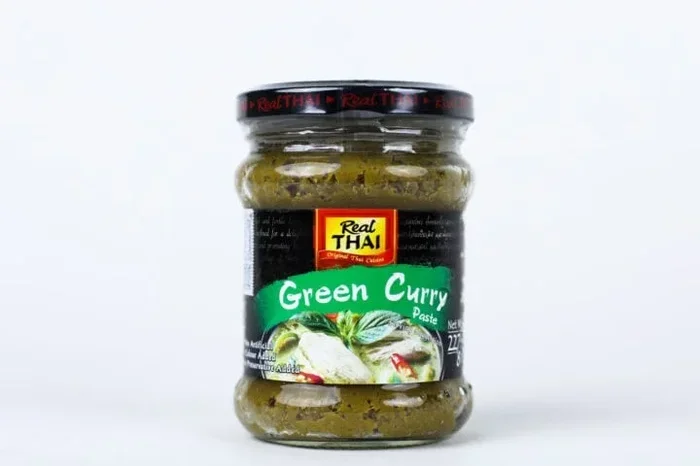

Thai Kitchen green curry paste is a versatile, aromatic blend that transforms simple meals into restaurant-quality dishes. This guide shows you how to use it in curries, stir-fries, marinades, and more. You will learn the best techniques, common mistakes to avoid, and pro tips for maximum flavor every time.
Thai food has a way of making any dinner feel special. The bright, herbaceous flavors of Thai green curry can turn a simple weeknight meal into something truly memorable. And the easiest way to get that authentic taste? A good quality Thai Kitchen green curry paste.
If you have ever walked down the curry paste aisle and felt overwhelmed, you are not alone. There are so many brands and varieties. But Thai Kitchen is one of the most trusted names out there. Their green curry paste is pre-made, convenient, and packed with flavor. The best part? You do not need to be a professional chef to use it well.
In this guide, we will walk you through everything you need to know about using Thai Kitchen green curry paste like a pro. From basic techniques to creative recipes, you will find practical tips that work for beginners and home cooks alike. Let us dive in.
Key Takeaways
- Start with a small amount: Thai Kitchen green curry paste is potent, so a little goes a long way for bold flavor.
- Bloom the paste in oil first: Frying the paste releases its aromatic oils and deepens the flavor.
- Pair it with coconut milk: Coconut milk balances the heat and creates a creamy, authentic Thai curry base.
- Use it beyond curries: This paste works great in marinades, dressings, and stir-fries too.
- Adjust heat to your taste: You can always add more paste, but you cannot take it away once it is in.
- Store it properly: Keep opened paste refrigerated and use it within a few weeks for the best flavor.
📑 Table of Contents
What Is Thai Kitchen Green Curry Paste?
Before you start cooking, it helps to understand what you are working with. Thai Kitchen green curry paste is a blend of aromatic herbs and spices. It typically includes green chilies, lemongrass, galangal, kaffir lime leaves, and Thai basil. Some versions also contain garlic, shallots, and shrimp paste.
These ingredients are ground together into a smooth, vibrant green paste. The result is a concentrated burst of flavor that forms the base of many Thai dishes. Unlike making curry paste from scratch, using a store-bought version saves time without sacrificing much authenticity.
Key Ingredients in Green Curry Paste
Each ingredient plays a specific role in the overall flavor profile:
- Green chilies: Provide heat and that signature vibrant color.
- Lemongrass: Adds a bright, citrusy note.
- Galangal: Gives a warm, peppery flavor similar to ginger but more earthy.
- Kaffir lime leaves: Contribute a unique floral citrus aroma.
- Thai basil: Offers a slightly sweet, anise-like flavor.
- Shrimp paste: Adds depth and umami richness.
Understanding these components helps you appreciate why Thai green curry paste is so versatile. Each element brings something to the table, and together they create that unmistakable Thai flavor.
How to Use Thai Kitchen Green Curry Paste: Basic Techniques
Using Thai Kitchen green curry paste is straightforward, but a few simple techniques make a big difference. Here are the most common ways to get started.
Method 1: The Classic Coconut Milk Curry
This is the most popular way to use green curry paste. Here is how to do it:
- Heat a tablespoon of oil in a pan over medium heat.
- Add 2 to 3 tablespoons of green curry paste and stir-fry for 30 to 60 seconds.
- Pour in one can of coconut milk and stir well.
- Add your protein (chicken, shrimp, or tofu) and vegetables.
- Simmer for 15 to 20 minutes until everything is cooked through.
- Season with fish sauce and palm sugar to taste.
The key step here is blooming the paste in oil before adding the coconut milk. This releases the essential oils from the herbs and spices, creating a much deeper and more aromatic flavor. Skipping this step is one of the most common mistakes home cooks make.
Method 2: Stir-Fry with Green Curry Paste
Did you know you can use Thai Kitchen green curry paste in a stir-fry? It works beautifully with vegetables and noodles. Simply sauté the paste with your aromatics, add your protein and veggies, and finish with a splash of soy sauce or oyster sauce. Serve over rice or rice noodles for a quick and satisfying meal.
If you want to add some extra nutrition and color, consider tossing in some green beans during the stir-fry. They pair wonderfully with the bold flavors of green curry paste and add a nice crunch.
Method 3: Marinade for Grilled or Baked Protein
Green curry paste makes an excellent marinade. Mix it with a little coconut milk or olive oil, add some lime juice, and coat your chicken, pork, or tofu. Let it marinate for at least 30 minutes, or overnight for the best results. Then grill, bake, or broil until cooked through. The paste creates a flavorful crust that is absolutely delicious.
Creative Ways to Use Thai Kitchen Green Curry Paste
Once you master the basics, you will want to explore all the creative ways to use Thai Kitchen green curry paste. The possibilities go far beyond a traditional curry.
Green Curry Dressing for Salads
Thin out the paste with lime juice, a touch of fish sauce, and a bit of sugar. Drizzle it over a fresh salad with shredded cabbage, carrots, and herbs. It makes a fantastic Thai-inspired salad dressing that is bursting with flavor.
Flavor Boost for Soups
Add a spoonful of Thai green curry seasoning to your favorite soup recipes. It works especially well in coconut-based soups or lentil soups. It adds warmth, complexity, and a gentle kick of heat.
Dipping Sauce Base
Mix green curry paste with coconut cream and a squeeze of lime for a quick and easy dipping sauce. It pairs beautifully with spring rolls, dumplings, or grilled meats. This is a great way to use leftover paste too.
Egg and Breakfast Dishes
Here is a tip many people overlook: a small amount of green curry paste stirred into scrambled eggs creates a surprisingly delicious breakfast. The heat and herbs wake up your morning in the best way possible.
Pairing Green Curry Paste with Ingredients
Not all ingredients pair equally well with Thai Kitchen green curry paste. Knowing what works together helps you create balanced, flavorful dishes every time.
Proteins That Work Best
- Chicken: The most traditional choice. Boneless thighs work especially well.
- Shrimp: Cooks quickly and absorbs the curry flavors beautifully.
- Tofu: A great plant-based option that soaks up the sauce.
- Beef: Use tougher cuts that benefit from slow simmering.
- Fish: Delicate white fish like cod or tilapia absorbs the flavors gently.
Vegetables That Complement Green Curry
- Thai eggplant (small, round varieties)
- Bamboo shoots
- Bell peppers
- Zucchini
- Baby corn
- Snow peas
When choosing vegetables, think about texture and cooking time. Dense vegetables like eggplant and bamboo shoots need more time to cook, so add them early. Softer vegetables like snow peas and bell peppers should go in near the end to keep their crunch.
Pro Tips for the Best Results
Want to take your Thai green curry from good to great? These expert tips will help you get the most out of your Thai Kitchen green curry paste.
Bloom the Paste Properly
Never skip the step of frying the paste in oil. Heat activates the aromatic compounds and creates a richer, more complex flavor base. Cook it for at least 30 seconds until fragrant. You will smell the difference immediately.
Use Full-Fat Coconut Milk
Low-fat coconut milk does not provide the same creamy texture or rich flavor. Full-fat coconut milk creates that luscious, velvety sauce that makes Thai curry so satisfying. The fat also helps carry the flavors of the curry seasoning throughout the dish.
Balance the Flavors
A great Thai curry has four flavor dimensions: salty, sweet, sour, and spicy. Use fish sauce for saltiness, palm sugar for sweetness, lime juice for sourness, and the paste itself for heat. Taste as you go and adjust until everything is in harmony.
Add Thai Basil at the End
Thai basil is delicate and loses its flavor when cooked too long. Stir it in during the last minute or two of cooking. This preserves its bright, aromatic quality and adds an authentic finishing touch.
Store Leftover Paste Correctly
Once you open a jar of Thai Kitchen green curry paste, keep it sealed tightly in the refrigerator. Use it within two to three weeks for the best flavor. You can also freeze small portions in an ice cube tray for longer storage.
Common Mistakes to Avoid
Even experienced cooks sometimes make mistakes when working with Thai Kitchen green curry paste. Here are the pitfalls to watch out for.
Using Too Much Paste
Green curry paste is concentrated and spicy. Start with 1 to 2 tablespoons per serving and add more if needed. You can always add more, but you cannot remove it once it is in the pot.
Burning the Paste
High heat will burn the paste and create a bitter taste. Always use medium heat and stir constantly when frying the paste. If it starts to stick or smoke, lower the temperature immediately.
Adding the Paste Directly to Liquid
Pouring the paste straight into coconut milk without blooming it first results in a flat, one-dimensional flavor. Always fry the paste in oil before adding any liquid. This simple step makes a world of difference.
Skipping the Seasoning
The paste provides the base flavor, but it needs balancing. Adding fish sauce, sugar, and lime juice at the end rounds out the dish and brings all the flavors together. Without these additions, the curry can taste flat.
Quick Tips for Everyday Cooking
- Keep a jar in your pantry: You never know when a quick curry craving will hit.
- Double the paste for extra heat: If you love spicy food, do not be shy about using more.
- Mix and match pastes: Thai Kitchen also makes red and yellow curry pastes. Experiment with different varieties.
- Use it in soups: A spoonful of paste adds instant depth to any broth-based soup.
- Make a quick sauce: Combine paste with peanut butter and coconut milk for a satay-style dipping sauce.
The beauty of Thai Kitchen green curry paste is its convenience. You get authentic Thai flavor without the hours of prep work that goes into making paste from scratch. It is a genuine Thai kitchen essential that belongs in every home cook’s pantry.
Conclusion
Thai Kitchen green curry paste is one of the easiest ways to bring authentic Thai flavors into your kitchen. Whether you are making a classic coconut curry, a quick stir-fry, or a flavorful marinade, this paste delivers incredible results with minimal effort.
Remember to bloom the paste in oil, balance your flavors, and start with small amounts until you find your preferred spice level. With these techniques in your toolkit, you will be using Thai Kitchen green curry paste like a pro in no time. So grab a jar, get creative, and enjoy the vibrant, aromatic world of Thai cooking right from your own kitchen.
Frequently Asked Questions
Can I use Thai Kitchen green curry paste in vegetarian dishes?
Absolutely. The paste works wonderfully with tofu, vegetables, and legumes. Simply follow the same blooming technique and use coconut milk as your base. Check the label if you need to avoid specific ingredients like shrimp paste.
How spicy is Thai Kitchen green curry paste?
It has a moderate to hot level of spiciness. The heat comes primarily from the green chilies in the blend. If you are sensitive to spice, start with one tablespoon per serving and adjust upward based on your preference.
Can I use green curry paste instead of red curry paste?
You can, but the flavors will be different. Green curry paste is typically hotter and more herbaceous, while red curry paste is slightly sweeter and milder. Substitute in equal amounts and adjust other seasonings to taste.
How long does Thai Kitchen green curry paste last after opening?
Once opened, keep the jar sealed tightly in the refrigerator and use it within two to three weeks. For longer storage, freeze portions in an ice cube tray and thaw as needed.
What is the difference between Thai Kitchen green curry paste and homemade paste?
Homemade paste allows you to control every ingredient and adjust flavors to your exact preference. Store-bought paste like Thai Kitchen offers convenience and consistent quality. Both produce delicious results, so it comes down to your time and preference.
Can I use green curry paste in non-Thai recipes?
Yes! Green curry paste adds an exciting flavor dimension to many cuisines. Try it in marinades for grilled meats, mixed into mayonnaise for sandwiches, or stirred into rice for a quick flavor boost. It is incredibly versatile beyond traditional Thai dishes.