

Starting your cooking journey begins with the right beginner kitchen essentials. This guide covers everything you need, from cookware and knives to small tools and organization tips. You will learn what to buy, what to skip, and how to set up a functional kitchen for your first cooking steps.
Walking into a kitchen for the first time can feel overwhelming. Shelves full of gadgets, drawers stuffed with tools, and dozens of pots and pans staring back at you. But here is the truth. You do not need all of that to cook a great meal.
Beginner kitchen essentials are the simple, must-have items that make cooking easy, fun, and stress-free. Whether you have just moved into your first apartment or decided to start cooking at home, this guide will walk you through everything you need. We will cover cookware, utensils, knives, storage, and common mistakes to avoid.
By the end of this article, you will know exactly what to buy, what to skip, and how to set up a kitchen that works for you. Let us get started.
Key Takeaways
- Start simple: You do not need expensive gadgets to cook great meals at home.
- Invest in a few quality pieces: A good chef knife, a non-stick pan, and a sturdy saucepan go a long way.
- Organize early: Proper kitchen storage and layout make cooking faster and more enjoyable.
- Avoid common mistakes: Rushing, skipping basic skills, and buying too much too soon are the top pitfalls.
- Practice builds confidence: Start with easy beginner recipes and grow from there.
- Quality over quantity: A few well-chosen tools beat a crowded kitchen drawer every time.
📑 Table of Contents
What Are Beginner Kitchen Essentials?
Why Having the Right Tools Matters
Cooking at home is one of the best things you can do for your health and your wallet. But having the right kitchen tools makes all the difference. When you use the proper cooking equipment, meals come together faster, taste better, and feel less like a chore.
Think of it this way. You would not try to build a house without a hammer. In the same way, you need the right tools to cook well. The good news is that you do not need a huge collection. A few quality pieces are all it takes to get started.
Basic cooking skills grow alongside your tools. As you use your kitchen utensils more often, you will naturally become faster and more confident. The goal is not to buy everything at once. The goal is to build a solid foundation.
The Difference Between Kitchen Tools and Gadgets
There is a big difference between what you need and what is marketed to you. Kitchen gadgets are fun, but many of them sit unused after the first week. Essential cookware, on the other hand, gets used every single day.
Here is a simple way to think about it. Tools are things you reach for constantly. Gadgets are things that look cool but collect dust. Stick to tools. You can always add a gadget later if you find you really need it.
Focus on items that serve multiple purposes. A good chef knife can chop vegetables, slice meat, and mince herbs. A solid non-stick pan can fry eggs, cook pancakes, and sear fish. Multi-use items save space and money.
Must-Have Cookware for Beginners
Pots and Pans You Actually Need
When it comes to essential cookware, less is more. You do not need a set of ten pots and pans. Here are the pieces that will cover almost every meal you make.
- Non-stick skillet (10-inch): Perfect for eggs, pancakes, and sautéing vegetables. This is the workhorse of any kitchen.
- Stainless steel saucepan (2-3 quart): Great for making sauces, heating soup, and cooking grains like rice or quinoa.
- Large pot (4-6 quart): Use this for boiling pasta, making soups, and cooking stews.
- Baking sheet (half-size): Essential for roasted vegetables, cookies, and sheet-pan meals.
These four pieces will handle the vast majority of your cooking. You can always expand your collection as your cooking basics improve.
Materials That Last
Not all cookware is created equal. The material matters more than most people realize. Here is a quick look at the best options for beginners.
| Material | Best For | Durability | Ease of Cleaning |
|---|---|---|---|
| Non-stick | Eggs, pancakes, delicate fish | Medium | Very easy |
| Stainless steel | Sauces, boiling, browning | Very high | Moderate |
| Cast iron | Searing, baking, slow cooking | Extremely high | Requires seasoning |
| Aluminum | Lightweight cooking, quick heating | Medium | Easy |
For a beginner, a non-stick skillet and a stainless steel saucepan are the best starting point. Cast iron is excellent but requires a bit more care. Save that for when you feel more comfortable in the kitchen.
Quick Tip: Always hand-wash your cookware when possible. Dishwashers can damage non-stick surfaces and dull stainless steel over time.
Essential Kitchen Utensils and Tools
Knives You Cannot Skip
Kitchen knives are the most important tool in any kitchen. A dull knife is actually more dangerous than a sharp one because it requires extra force and slips easily. Here are the three knives every beginner needs.
- Chef knife (8-inch): This is your go-to knife for almost everything. Chopping, slicing, dicing, and mincing. A quality chef knife will last for years with proper care.
- Paring knife: Small and precise. Use it for peeling fruit, trimming vegetables, and detailed work.
- Serrated bread knife: Cuts through bread, tomatoes, and cakes without crushing them.
You do not need a full knife block with twenty blades. These three will cover 90 percent of your cutting tasks. Keep them sharp and store them safely.
Small Tools That Make a Big Difference
Beyond knives and pans, a handful of small kitchen utensils will make your life much easier. These are the items that feel like small luxuries but are truly essential.
- Wooden spoon: Gentle on pots and perfect for stirring sauces and soups.
- Spatula (heat-resistant): Needed for flipping food in pans and scraping bowls clean.
- Tongs: Great for tossing salads, turning meat, and serving pasta.
- Measuring cups and spoons: Accurate measurements are key to consistent results in beginner recipes.
- Cutting board: Protects your counters and keeps your knives sharp. A large wooden or plastic board works well.
- Kitchen scissors: Useful for opening packages, cutting herbs, and trimming parchment paper.
- Whisk: Essential for beating eggs, making sauces, and mixing batters.
- Peeler: Faster and safer than a knife for peeling fruits and vegetables.
Start with these items and add more as you discover what fits your cooking style. There is no need to buy everything on this list in one trip.
Setting Up Your Kitchen for Success
Kitchen Organization Tips
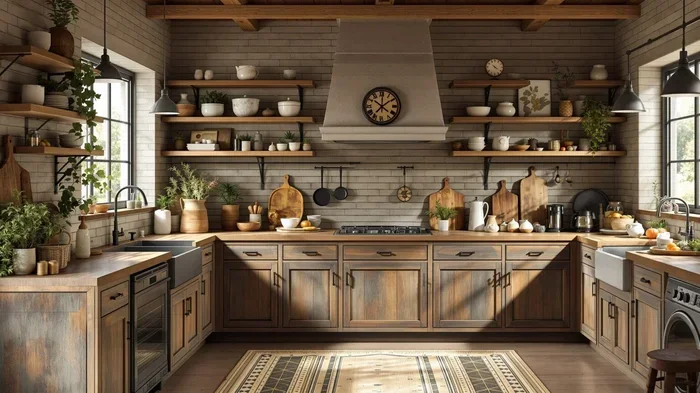
A well-organized kitchen makes cooking faster and more enjoyable. When everything has a place, you spend less time searching and more time creating. Kitchen organization is one of the most underrated aspects of home cooking.
Start by grouping similar items together. Store all your baking supplies in one area. Keep your cooking equipment near the stove. Place frequently used items at eye level in cabinets or on the counter.
Clear your counters of anything you do not use daily. A clean, open workspace reduces stress and gives you room to food preparation efficiently. Remember, the goal is a functional space, not a showroom.
Storage Solutions for Beginners
Proper kitchen storage keeps your ingredients fresh and your tools accessible. You do not need expensive containers to get started.
- Glass jars: Perfect for storing dry goods like rice, pasta, flour, and sugar. They look great and keep pests out.
- Reusable containers: Use them for leftovers, meal prep, and organizing small items like spices.
- Magnetic spice rack: Saves counter space and keeps your spices visible and easy to grab.
- Clear bins or baskets: Place these in cabinets to group similar items and see what you have at a glance.
Expert Insight: “The best kitchen storage system is the one you will actually use. Keep it simple, keep it visible, and revisit it every few months to declutter.” – Home organization professionals agree that simplicity wins every time.
Creating a Meal Prep Routine
Meal prep is a game-changer for beginners. Setting aside one or two hours each week to prepare ingredients in advance saves time during busy weekdays. Wash and chop vegetables, cook grains, and portion out proteins ahead of time.
You do not need fancy kitchen gadgets for meal prep. A good knife, a cutting board, and a few containers are all you need. Start with prepping just two or three meals per week and build from there.
Meal prep also helps reduce food waste. When you plan your meals and use what you buy, you save money and eat better. It is one of the easiest ways to level up your cooking basics without extra effort during the week.
Common Beginner Cooking Mistakes to Avoid
Rushing the Process
One of the biggest mistakes beginners make is trying to do too much too fast. Cooking is a skill that builds over time. If you jump into complex recipes before mastering the basics, frustration is almost guaranteed.
Start with simple beginner recipes that use five or fewer ingredients. Focus on techniques like chopping, sautéing, and boiling before attempting multi-step dishes. Give yourself permission to make mistakes. Every cook burns something or oversalts a dish at some point.
Common Mistake: Turning the heat too high. High heat is not always better. Medium and low heat give you more control and prevent burning. Learn to trust lower temperatures, especially when you are just starting out.
Skipping Basic Skills
It is tempting to jump straight into fancy recipes. But without a solid foundation in basic skills, even simple dishes can fall flat. Take time to learn a few core techniques.
- How to properly chop vegetables: Even cuts mean even cooking. Practice your dice, julienne, and mince.
- How to season food: Salt and pepper are your best friends. Taste as you cook and adjust gradually.
- How to read a recipe fully before starting: This prevents surprises and keeps you organized.
- How to properly heat a pan: A hot pan with oil prevents sticking and helps food develop flavor.
These four skills alone will transform your cooking. Practice them until they feel natural, and you will be amazed at how much easier everything becomes.
Buying Too Much Too Soon
It is easy to get carried away with online shopping and kitchen store visits. But filling your kitchen with gadgets and tools you will never use is a waste of money and space. Stick to the essentials first. Once you know what you actually cook, you can make more targeted purchases.
Quick Tip: Before buying anything, ask yourself if you will use it at least once a week. If the answer is no, skip it for now. You can always revisit it later.
Quick Tips for Building Confidence in the Kitchen
Start with Simple Recipes
The best way to build confidence is to start small. Look for beginner recipes that use familiar ingredients and straightforward steps. Pasta with garlic and olive oil, scrambled eggs, roasted vegetables, and simple stir-fries are all excellent starting points.
As you complete more recipes, you will naturally pick up new techniques. Confidence grows with each successful meal. Do not compare your first attempts to professional cooking videos. Everyone starts somewhere, and every expert was once a beginner.
Practice Makes Perfect
The more you cook, the better you get. Aim to cook at home at least three to four times per week. Even if it is just a simple breakfast or a quick dinner, repetition builds muscle memory and skill.
Try to cook the same recipe a few times until you feel comfortable. Then tweak it. Add a new spice, swap a vegetable, or try a different cooking method. This is how you develop your own cooking style and make the kitchen feel like your space.
Quick Tip: Keep a cooking journal. Write down what you made, what worked, and what you would change. Over time, this becomes a valuable personal recipe book and a record of your progress.
Invest in Quality Over Quantity
One well-made chef knife is better than five cheap ones. A single high-quality non-stick pan will outperform a set of flimsy skillets. When you do buy, invest in pieces that will last. They may cost more upfront, but they save money in the long run because you do not need to replace them.
Look for sales, visit thrift stores for quality cookware, and read reviews before purchasing. A thoughtful approach to buying saves both money and kitchen clutter.
Conclusion
Starting your cooking journey does not have to be complicated. The key is to focus on the beginner kitchen essentials that actually matter. A few quality pots and pans, a sharp chef knife, a handful of basic utensils, and a well-organized space are all you need to get started.
Avoid the trap of buying gadgets you will never use. Skip the rushing and the comparison to professional chefs. Instead, build your basic cooking skills one step at a time. Practice regularly, start with simple beginner recipes, and celebrate your progress along the way.
Your kitchen is your canvas. With the right essential cookware and a positive mindset, you can create meals that nourish your body and feed your soul. The most important step is the first one. So grab your chef knife, turn on the stove, and start cooking. You have got this.
Frequently Asked Questions
What are the most important beginner kitchen essentials to buy first?
Start with a chef knife, a non-stick skillet, a saucepan, a cutting board, a wooden spoon, a spatula, and a set of measuring cups. These items cover the vast majority of cooking tasks and give you a solid foundation to build on.
Do I need expensive cookware to cook well as a beginner?
No. You do not need expensive cookware to cook great meals. Focus on a few quality pieces that are durable and versatile. A mid-range non-stick pan and a stainless steel saucepan will serve you well for years without breaking the bank.
How do I keep my kitchen knives sharp and in good condition?
Hone your knife on a steel rod before each use. Get it professionally sharpened every few months. Always cut on a proper cutting board, never on hard surfaces like glass or granite. Hand-wash your knives and store them in a knife block or on a magnetic strip.
What is the best way to organize a small kitchen?
Start by clearing your counters and grouping similar items together. Use clear containers for dry goods, a magnetic spice rack for spices, and hooks or hanging racks for frequently used utensils. Vertical storage and multi-purpose tools help maximize space in small kitchens.
Can I learn to cook if I have never cooked before?
Absolutely. Everyone starts somewhere. Begin with simple recipes that use few ingredients and basic techniques. Watch cooking videos, practice regularly, and do not be afraid to make mistakes. Cooking is a skill that improves with time and patience.
How often should I replace my kitchen tools and cookware?
Quality cookware can last for many years with proper care. Replace non-stick pans when the coating starts to peel or scratch. Sharpen or replace knives when they no longer cut smoothly. Most other tools, like wooden spoons and tongs, should be replaced when they show signs of wear or damage.
=== META TITLE ===
Beginner Kitchen Essentials for First Cooking Steps
=== URL SLUG ===
/beginner-kitchen-essentials
=== SEO TITLE ===
Beginner Kitchen Essentials for Your First Cooking Steps