
A commercial ghost kitchen lets you run a delivery-only restaurant without a dine-in space. This guide walks you through every step, from planning and costs to branding and marketing. You will learn how to launch a profitable ghost kitchen business with lower overhead and higher margins.
Key Takeaways
- Lower Startup Costs: A commercial ghost kitchen cuts rent and decor expenses, letting you invest more in food quality.
- Multiple Brands, One Kitchen: You can run several virtual restaurants from a single shared kitchen facility.
- Delivery-First Model: Success depends on strong third-party delivery partnerships and online food ordering systems.
- Smart Location Choice: Pick a kitchen rental space near high-demand delivery zones for faster service.
- Avoid Common Pitfalls: Skipping market research and ignoring brand identity are top reasons ghost kitchens fail.
- Technology Is Key: Use restaurant technology like POS systems and delivery optimization tools to stay competitive.
- Start Small, Scale Fast: Test one brand first, then expand to multi-brand kitchen concepts as demand grows.
📑 Table of Contents
What Is a Commercial Ghost Kitchen?
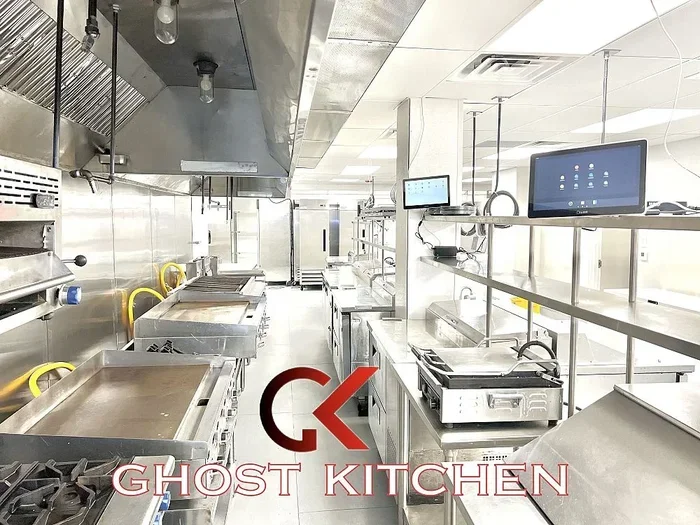
A commercial ghost kitchen is a professional food preparation facility built only for delivery and takeout orders. There is no dining room. No waiters. No front-of-house experience. Customers discover these kitchens through apps like Uber Eats, DoorDash, and Grubhub.
The idea is simple. You cook great food. You package it well. You let delivery drivers handle the rest. This model is also called a cloud kitchen or a delivery-only restaurant. Whatever the name, the goal is the same: serve delicious meals without the high costs of a traditional dine-in setup.
Many restaurant owners and food entrepreneurs are turning to this model because it removes huge overhead. You do not need to pay for a fancy storefront. You do not need to hire hosts or bartenders. Your entire operation runs from one focused food prep space.
The ghost kitchen business has exploded in recent years. More people order food online than ever before. This shift created a perfect storm for delivery-only brands. If you are thinking about starting one, now is a great time to learn how it all works.
How Is It Different From a Regular Restaurant?
A traditional restaurant serves people who walk in and sit down. A commercial ghost kitchen serves people who order through their phones. That single difference changes everything about how you run the business.
Here are the big differences:
- No dine-in area: You save thousands on interior design and seating.
- Smaller kitchen footprint: You need less space, which means lower kitchen rental costs.
- Digital-first ordering: Everything runs through apps or your own website.
- Faster turnover: Without tables to clean and servers to manage, you can serve more orders per hour.
- Brand flexibility: You can launch multiple cuisine concepts from the same physical location.
These advantages make the food delivery model very attractive for new and existing restaurant owners alike.
Why Ghost Kitchens Are Growing So Fast
The ghost kitchen investment trend is not slowing down. Consumer habits have shifted dramatically. More people prefer ordering food from their phones than driving to a restaurant. This change has created massive opportunity for virtual restaurant brands.
Third-party delivery platforms like DoorDash and Uber Eats have made it easy to reach customers. You do not need to build your own delivery fleet. You just need great food and a strong online presence.
Let us look at some of the main reasons this model is booming.
1. Lower Overhead Costs
Running a full-service restaurant is expensive. Rent for a prime dining location can eat your profits fast. A low overhead restaurant model solves this problem. You pay for kitchen space, not for a fancy dining room.
Many shared kitchen facility operators offer hourly or monthly rates. This means you only pay for what you use. Small teams can run professional operations without breaking the bank.
2. Multi-Brand Opportunities
One of the coolest things about a multi-brand kitchen is the ability to sell different cuisines from the same location. You might run a taco brand and a pizza brand out of one kitchen. Each brand targets a different customer group.
This brand diversification strategy spreads risk. If one concept does not perform well, the other can carry the load. It also lets you test new ideas without opening a second physical location.
3. Strong Consumer Demand
People love convenience. They want food delivered to their door in under 30 minutes. The online food ordering market keeps growing every year. More apps, more platforms, and more customers mean more chances for ghost kitchen brands to succeed.
During and after the pandemic, delivery orders surged. Many of those habits stuck. Customers now expect fast, easy delivery as a normal part of eating out.
How to Plan Your Commercial Ghost Kitchen
Planning is the foundation of any successful ghost kitchen business. Without a solid plan, you risk wasting money and time. Here is a step-by-step approach to get started on the right foot.
Step 1: Research Your Market
Start by studying your local delivery market. Look at what cuisines are already popular. Identify gaps. Are there neighborhoods with lots of delivery orders but few options for certain foods?
Use tools like Google Trends and delivery app data to spot opportunities. Talk to potential customers. Find out what they crave and what is missing in their area.
Step 2: Choose Your Concept
Your concept is the heart of your brand. It includes your cuisine type, menu size, and target audience. Keep it focused. A tight menu means faster prep time and less waste.
Some popular ghost kitchen concepts include:
- Bowl-based meals like burrito bowls and grain bowls
- Comfort food like burgers, fries, and milkshakes
- Asian-inspired street food like dumplings and noodles
- Healthy meal prep and salad options
- Dessert-only brands like cookie boxes and cake pops
Step 3: Find the Right Kitchen Space
Location matters even for a delivery-only kitchen. Look for a space close to your delivery zones. Speed is everything in food delivery. The faster your food reaches the customer, the happier they are.
Consider these factors when choosing a kitchen rental:
- Proximity to high-demand delivery areas
- Available equipment and storage
- Lease terms and flexibility
- Shared vs. private kitchen options
- Utilities and waste disposal costs
Step 4: Build Your Brand Identity
Even without a physical storefront, your brand matters a lot. Customers choose food based on app listings, photos, and reviews. Your brand needs to stand out in a crowded marketplace.
Invest in good photography for your menu. Write compelling descriptions. Design a memorable logo. Your restaurant technology stack should also support easy ordering and smooth communication with delivery drivers.
Costs and Investment Breakdown
Understanding your costs upfront is critical. The good news is that a commercial ghost kitchen costs significantly less than a traditional restaurant. But you still need a realistic budget to avoid surprises.
Typical Startup Costs
Costs vary by city and kitchen size. Here is a general breakdown of what to expect:
| Expense Category | Estimated Cost Range | Notes |
|---|---|---|
| Kitchen Rental | $1,500 – $5,000/month | Shared spaces cost less; private spaces cost more |
| Kitchen Equipment | $5,000 – $25,000 | Depends on menu complexity |
| Licenses and Permits | $500 – $3,000 | Varies by local regulations |
| Branding and Design | $1,000 – $5,000 | Logo, packaging, menu design |
| Delivery Platform Fees | 15% – 30% per order | Third-party delivery commission |
| Marketing Budget | $500 – $2,000/month | Ads, promotions, app listings |
| POS and Tech Setup | $500 – $2,000 | Order management and payment systems |
Compared to opening a full-service restaurant, these numbers are much more manageable. Many ghost kitchen investment projects can launch for under $50,000. This makes the model very appealing for first-time food entrepreneurs.
Ongoing Operating Costs
Once you are up and running, your main expenses will be food ingredients, kitchen rental, delivery platform fees, and marketing. Keep a close eye on your profit margin restaurant metrics. Delivery commissions can eat into your earnings, so factor those in from day one.
Quick Tip: Consider building your own ordering website alongside delivery apps. This lets you avoid platform fees on direct orders and builds your own customer base over time.
Common Mistakes to Avoid
Even with a great concept, mistakes can sink a commercial ghost kitchen fast. Learning from others’ errors saves you time and money.
Mistake 1: Skipping Market Research
Many new owners jump in without studying the local market. They pick a concept based on what they like, not what customers actually want. This is a costly mistake. Always validate your idea before committing to a lease or equipment purchase.
Mistake 2: Ignoring Delivery Speed
Food quality drops the longer it sits in a delivery bag. If your kitchen is far from your delivery zones, customers will get cold, soggy food. Choose a food prep space that is strategically located for fast delivery times.
Mistake 3: Neglecting Packaging
You do not have a dine-in experience to impress customers. Your packaging is your first impression. Invest in quality containers that keep food hot and fresh. Branded packaging also builds recognition and trust.
Mistake 4: Relying on One Platform
Putting all your eggs in one delivery basket is risky. If the platform changes its algorithm or raises fees, your business suffers. List on multiple food delivery platforms to spread your risk and reach more customers.
Mistake 5: Overcomplicating the Menu
A huge menu slows down prep and increases food waste. Start with a focused menu of 10 to 15 items. Master those dishes first. You can always expand later once your operations are smooth.
Expert Insight: The most successful delivery optimization strategies focus on speed and consistency. Customers come back when they know exactly what to expect every time they order.
Expert Tips for Long-Term Success
Building a commercial ghost kitchen that lasts requires more than just good food. You need systems, strategy, and a willingness to adapt.
Focus on Customer Reviews
Reviews drive discovery on delivery apps. Encourage happy customers to leave feedback. Respond to negative reviews quickly and professionally. A strong review profile builds trust and boosts your ranking in app search results.
Invest in Restaurant Technology
The right restaurant technology stack makes a huge difference. A good POS system tracks sales, inventory, and labor costs. Delivery management software helps you route orders efficiently. Analytics tools show you which menu items perform best.
Test and Iterate Your Menu
Your first menu will not be perfect. That is okay. Use sales data and customer feedback to refine your offerings. Drop items that do not sell. Add items that fill a gap. Keep your menu fresh and exciting.
Build Direct Customer Relationships
Third-party apps are great for visibility, but they own the customer relationship. Collect emails and phone numbers through your own ordering channels. Offer loyalty rewards and exclusive deals to bring customers back directly.
Plan for Scale
Once one brand is profitable, think about scaling. You can add a second brand to your kitchen or open a second location. The multi-brand kitchen model lets you grow revenue without proportional growth in costs.
Key Takeaway: The commercial ghost kitchen model rewards operators who stay focused on quality, speed, and customer experience. Keep your operations tight and your brand strong, and you will build a business that lasts.
Conclusion
The commercial ghost kitchen model offers a real opportunity for food entrepreneurs who want to enter the market with lower risk and higher potential returns. By focusing on delivery-first operations, smart kitchen rentals, and strong brand identity, you can build a profitable ghost kitchen business from the ground up.
Remember to research your market thoroughly. Choose the right concept and location. Avoid common pitfalls like ignoring packaging quality or relying too heavily on one delivery platform. Invest in technology that helps you run efficiently and scale when the time is right.
The food delivery industry is not slowing down. Consumer demand for convenient, delicious meals delivered to their doorstep continues to grow. A well-planned commercial ghost kitchen positions you to ride that wave and build something truly sustainable.
Start small. Stay focused. Keep learning. The path to a successful delivery-only restaurant begins with a single step. Take it today.
Frequently Asked Questions
What exactly is a commercial ghost kitchen?
A commercial ghost kitchen is a professional food preparation facility that operates exclusively for delivery and takeout orders. It has no dine-in seating and serves customers entirely through delivery apps or online ordering platforms.
How much does it cost to start a ghost kitchen business?
Startup costs for a ghost kitchen business typically range from $20,000 to $50,000 depending on your location, equipment needs, and whether you use a shared kitchen facility. This is much lower than opening a traditional restaurant.
Can I run multiple brands from one ghost kitchen?
Yes. One of the biggest advantages of a multi-brand kitchen is the ability to operate several virtual restaurant concepts from a single food prep space. Each brand can target a different cuisine or customer segment.
Do I need a food license to operate a commercial ghost kitchen?
Absolutely. You will need all the same health permits and food safety certifications as a traditional restaurant. Requirements vary by city and state, so check with your local health department before launching.
How do ghost kitchens handle delivery?
Most commercial ghost kitchen operators partner with third-party delivery platforms like DoorDash, Uber Eats, and Grubhub. Some also build their own delivery fleets or offer pickup options to reduce commission fees.
Is the ghost kitchen model profitable?
Yes, when done right. The low overhead restaurant model and delivery optimization strategies can lead to strong profit margin restaurant figures. However, success depends on careful planning, quality food, and smart marketing.