
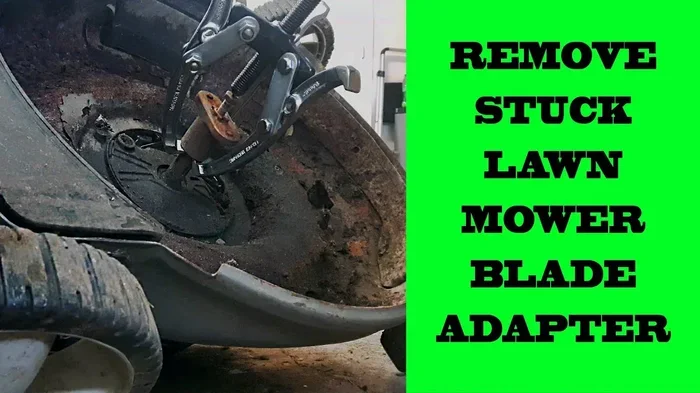

A stuck lawn mower blade can frustrate anyone, but removing it is simpler than you think. With the right tools, safety steps, and a little patience, you can free a seized blade and get your mower running again. This guide walks you through every step, from safety prep to blade replacement.
Key Takeaways
- Always disconnect the spark plug before touching the blade to prevent accidental starts.
- A blade holder tool and socket wrench are the two most important tools for this job.
- Penetrating oil and heat can break the grip of rust and corrosion on stuck bolts.
- Inspect the blade adapter for damage before installing a new blade.
- Replace a bent or cracked blade instead of trying to straighten it.
- Tighten the blade bolt to the correct torque to prevent it from seizing again.
📑 Table of Contents
- Why Lawn Mower Blades Get Stuck
- Safety First: Preparing for Blade Removal
- Tools and Materials You Will Need
- Step-by-Step Guide to Removing a Stuck Lawn Mower Blade
- Tips for Loosening a Really Stuck Blade Bolt
- When to Replace the Blade Instead of Removing It
- Common Mistakes to Avoid When Removing a Stuck Blade
- Final Thoughts on Removing a Stuck Lawn Mower Blade
Why Lawn Mower Blades Get Stuck
A stuck lawn mower blade is more common than you might think. Over time, moisture, grass clippings, and dirt build up around the blade bolt. This creates rust and corrosion that locks the blade in place. The result? A blade that simply will not budge, no matter how hard you try.
Understanding why blades get stuck helps you prevent it from happening again. The blade bolt sits inside the mower deck, which means it stays wet and damp after every mow. Without regular cleaning and maintenance, this environment is a recipe for rust. Add in the high torque the engine puts on the bolt, and you have a perfect storm for a seized blade.
Another common cause is grass buildup under the deck. When clippings pack around the blade housing, they trap moisture against the metal. This speeds up the rusting process significantly. Some mower models are more prone to this than others, especially those with a lower cutting deck design.
Age also plays a role. An older mower that has not had its blade replaced in years is far more likely to have a stuck blade. The bolt itself can corrode from the inside out, making it nearly impossible to turn by hand. In these cases, you need more than just muscle to get the job done.
How Rust Forms on Lawn Mower Blades
Rust happens when iron in the steel blade reacts with oxygen and water. Every time you mow wet grass, you add moisture to the blade surface. If you store your mower outside or in a damp garage, the blade stays exposed to humid air. Over weeks and months, this creates a thin layer of rust that gradually thickens.
The blade bolt is even more vulnerable because it is hidden inside the mower deck. Water and debris collect around it with no way to dry out. This is why many homeowners find their blade bolt completely frozen after just one season of neglect.
Safety First: Preparing for Blade Removal
Before you do anything, safety comes first. A stuck blade removal project involves sharp edges and stored energy in the mower engine. Taking the right precautions protects you from serious injury.
The most important step is disconnecting the spark plug. The spark plug wire sends the electrical signal that starts the engine. If you do not disconnect it, the engine could kick on accidentally while your hand is near the blade. This is not a risk worth taking, ever.
Next, turn the mower on its side with the air filter facing up. This prevents oil from leaking into the carburetor and air filter. Some mowers have a drain plug for this purpose. If yours does, use it before tilting the mower.
Wear thick gloves to protect your hands from the sharp blade edges. Even a dull blade can cut you if you are not careful. Safety glasses are also a good idea, especially if you plan to use penetrating oil or heat to loosen the bolt.
Quick Safety Checklist Before You Start
- Disconnect the spark plug wire and pull it away from the plug.
- Turn off the fuel valve if your mower has one.
- Let the engine cool completely before starting any work.
- Wear heavy-duty gloves and safety glasses.
- Work on a flat, stable surface with good lighting.
- Keep children and pets away from your work area.
Tools and Materials You Will Need
Having the right tools makes all the difference when removing a stuck lawn mower blade. You do not need a full workshop, but a few key items will save you time and frustration.
Here is what you should gather before you begin:
- Socket wrench in the correct size for your blade bolt (usually 15/16 inch or 1/2 inch).
- Blade holder tool or piece of wood to keep the blade from spinning.
- Penetrating oil such as WD-40 or PB Blaster for rusted bolts.
- Rubber mallet to help tap the blade loose.
- Wire brush for cleaning rust and debris.
- Rags or paper towels for wiping down the area.
- New blade if your current one is damaged beyond repair.
Some people also find a breaker bar helpful. This tool gives you more leverage than a standard socket wrench. It is especially useful when the blade bolt is severely rusted or over-tightened.
Why a Blade Holder Tool Matters
The blade holder tool is a small plastic or metal device that fits into the blade slot. It prevents the blade from rotating while you loosen the bolt. Without it, you will have to hold the blade still with your hand or wedge a piece of wood between the blade and the deck housing.
Using a blade holder tool is much safer than using your bare hands. Even a dull blade can cause deep cuts if it slips while you are applying force. If you do not have a blade holder, a sturdy piece of wood or a pair of pliers with a rubber grip can work in a pinch.
For more creative DIY tips and simple fixes around the home, you might enjoy learning how to make an egg in a bagel hole, a quick and easy kitchen hack that shares the same problem-solving mindset.
Step-by-Step Guide to Removing a Stuck Lawn Mower Blade
Now that you are prepared, let us walk through the actual removal process. Follow these steps carefully, and you will have that stuck blade off in no time.
Step 1: Disconnect the Spark Plug
Start by locating the spark plug on your mower. It is usually on the front or side of the engine. Grip the spark plug wire boot and pull it straight off. Do not yank on the wire itself, as this can damage the connection.
Wrap the disconnected wire away from the spark plug. This ensures there is no chance of the wire accidentally touching the plug and causing a spark.
Step 2: Tilt the Mower on Its Side
Carefully lay the mower on its side with the air filter pointing up. If your mower has a fuel valve, turn it off first. This prevents fuel from leaking out while you work.
Place a piece of cardboard or a rag under the mower to protect your lawn from oil stains. You do not want to create a new mess while fixing the old one.
Step 3: Secure the Blade
Slide the blade holder tool into the slot on the blade. If you do not have one, wedge a sturdy piece of wood between the blade and the deck housing. The goal is to keep the blade from spinning when you apply force to the bolt.
Hold the blade holder firmly in place. You may need a second person to help keep it steady while you work on the bolt.
Step 4: Apply Penetrating Oil
Spray penetrating oil generously onto the blade bolt and the area where the bolt meets the blade adapter. Let it sit for at least 15 minutes. For really stuck bolts, you may want to apply a second coat and wait another 15 minutes.
Penetrating oil works by creeping into the tiny gaps between the rusted metal surfaces. It breaks down the corrosion bond that is holding the bolt in place. This simple step can save you a lot of physical effort.
Step 5: Loosen the Blade Bolt
Place your socket wrench onto the blade bolt. Most lawn mower blade bolts turn counterclockwise to loosen. Apply steady pressure and do not force it if it does not move.
If the bolt still will not budge, try tapping the end of the socket wrench with a rubber mallet. The impact can help break the rust seal. You can also try applying heat with a hair dryer or heat gun to the bolt area. Heat causes the metal to expand slightly, which can break the rust bond.
Once the bolt starts to turn, continue loosening it by hand. Remove the bolt completely and set it aside in a safe place.
Step 6: Remove the Blade
With the bolt removed, the blade should lift off the mower deck. If it is still stuck, gently tap the blade with a rubber mallet to free it. Work on both sides of the blade to loosen it evenly.
Be careful when handling the old blade. Even a used blade has sharp edges. Wear gloves and hold the blade by the center hole, not the cutting edges.
Step 7: Clean the Blade Adapter and Deck
Before installing a new blade, take time to clean the blade adapter and the underside of the mower deck. Use a wire brush to remove rust, grass clippings, and debris. A clean surface ensures the new blade sits flush and operates properly.
Check the blade adapter for cracks or warping. A damaged adapter can cause the new blade to wobble or vibrate during use. If the adapter looks damaged, replace it before installing a new blade.
Tips for Loosening a Really Stuck Blade Bolt
Sometimes the blade bolt is so stuck that normal methods do not work. Here are some proven techniques to free even the most stubborn bolts.
Use a Breaker Bar for Extra Leverage
A breaker bar is a long metal rod that attaches to your socket wrench. It gives you much more leverage than a standard wrench. This extra length means more torque without needing extra muscle.
To use a breaker bar, attach your socket to the end of the bar. Place the socket onto the blade bolt and push down firmly. The longer handle makes it easier to apply steady force without slipping.
Apply Heat to the Bolt
Heat causes metal to expand. When you heat the blade bolt, it expands slightly and breaks the rust bond holding it in place. Let the bolt cool down after heating, then try loosening it again.
You can use a heat gun, hair dryer, or even a propane torch for this. Just be careful not to damage any plastic or rubber parts nearby. Keep the heat focused on the bolt itself.
Try the Impact Method
If you have an impact wrench, this is the perfect time to use it. An impact wrench delivers sudden bursts of torque that can break loose rusted bolts. Set the wrench to turn counterclockwise and apply short bursts of power.
No impact wrench? You can create a similar effect by tapping the socket wrench with a rubber mallet. The repeated striking motion can gradually break the bolt free. This method takes more patience but works surprisingly well.
Soak with Penetrating Oil Overnight
For the most stubborn cases, let penetrating oil do the work overnight. Spray the bolt generously, then cover it with a rag to keep the oil from dripping away. Let it sit for 8 to 12 hours.
The oil will slowly seep into the threads and break down the corrosion. In the morning, try loosening the bolt again. You may find it turns much more easily than before.
When to Replace the Blade Instead of Removing It
Not every stuck blade situation ends with the blade being reused. Sometimes the blade itself is the problem, not just the bolt. Knowing when to replace the blade saves you time and keeps your mower cutting efficiently.
Here are clear signs that your blade needs replacement:
- The blade is bent or warped. A bent blade causes uneven cuts and vibrations.
- You see deep cracks or chips in the metal. A cracked blade can break apart during use, which is dangerous.
- The blade is heavily rusted through. If rust has eaten through the blade, it is too weak to keep using.
- The cutting edge is dull beyond sharpening. A blade that has been sharpened too many times loses its proper angle.
- The blade is bent at an odd angle. This usually happens after hitting a rock or hard object.
Replacing a lawn mower blade is a simple and affordable fix. Most replacement blades cost between 15 and 40 dollars. Make sure to buy the right size and type for your specific mower model. Check your owner’s manual for the correct blade part number.
How to Install a New Blade Correctly
Installing a new blade is the reverse of removing the old one. Place the blade onto the adapter with the cutting edge facing the correct direction. Most blades have a label that says “bottom” or show the cutting edge direction.
Hand-tighten the blade bolt first to thread it properly. Then use your socket wrench to tighten it firmly. Do not over-tighten, as this can cause the bolt to seize again over time. Check your owner’s manual for the recommended torque specification.
Reconnect the spark plug wire once the new blade is secure. Start the mower and listen for any unusual vibrations or sounds. A properly installed blade should run smoothly and quietly.
Common Mistakes to Avoid When Removing a Stuck Blade
Even experienced homeowners make mistakes when removing a stuck lawn mower blade. Here are the most common errors and how to avoid them.
Skipping the spark plug disconnect. This is the number one mistake people make. Always disconnect the spark plug before you put your hands near the blade. An accidental engine start can cause serious injury.
Using the wrong size socket. A socket that does not fit properly can slip and damage the bolt head. Check your mower manual or measure the bolt before you start. Using the correct socket size makes the job much easier.
Forcing the bolt without penetrating oil. Applying brute force to a rusted bolt can strip the threads or break the bolt. Always try penetrating oil and gentle persuasion first. Patience pays off more than force in these situations.
Ignoring the blade adapter condition. If the adapter is damaged, a new blade will not seat properly. Always inspect the adapter before installing a replacement blade. A small investment in a new adapter can prevent bigger problems later.
Not tightening the new bolt to the correct torque. An under-tightened bolt can work itself loose during mowing. An over-tightened bolt can warp the blade or damage the threads. Follow the manufacturer’s torque recommendation for the best results.
Final Thoughts on Removing a Stuck Lawn Mower Blade
Removing a stuck lawn mower blade does not have to be a dreaded chore. With the right preparation, tools, and techniques, you can handle this job quickly and safely. The key is to be patient, use penetrating oil, and never skip the safety steps.
Regular maintenance is the best way to prevent a stuck blade in the future. Clean the underside of your mower deck after each use. Apply a light coat of oil to the blade and bolt before storing the mower. These small habits go a long way toward keeping your mower in top shape.
Remember, a stuck blade is a common problem with a straightforward solution. Whether you use penetrating oil, a breaker bar, or a little heat, you have the power to get the job done. Your mower will cut better, last longer, and save you money on repair costs.
Now that you know how to remove a stuck lawn mower blade, you can tackle this task with confidence. Grab your tools, follow the steps, and get back to mowing with ease.
Frequently Asked Questions
Why won’t my lawn mower blade budge at all?
The most likely reason is rust and corrosion on the blade bolt. Over time, moisture causes the bolt to seize onto the blade adapter. Applying penetrating oil and waiting 15 to 30 minutes usually breaks the rust bond enough to loosen it.
Can I use a regular wrench instead of a blade holder tool?
Yes, you can wedge a sturdy piece of wood between the blade and the deck housing to keep the blade from spinning. However, a blade holder tool is safer and more effective because it fits securely into the blade slot and prevents slipping.
Which direction do I turn the blade bolt to loosen it?
Most lawn mower blade bolts turn counterclockwise to loosen. However, some models use a reverse thread that turns clockwise. Check your owner’s manual to confirm the correct direction before you start applying force.
How often should I replace my lawn mower blade?
A good rule of thumb is to replace your blade once per mowing season or after every 25 hours of use. Blades that are bent, cracked, or heavily rusted should be replaced immediately, even if they look okay on the surface.
Is it safe to remove the blade with the mower engine still warm?
No, you should always let the engine cool completely before attempting to remove the blade. A warm engine can burn your hands, and the hot metal can make it harder to work with penetrating oil and other tools safely.
What should I do if the blade bolt breaks while I am removing it?
If the bolt breaks, you will need to extract the remaining piece from the blade adapter. You can try using an easy-out extraction tool or take the mower to a small engine repair shop. Do not try to force a new bolt into a damaged threaded hole, as this can cause further damage.