
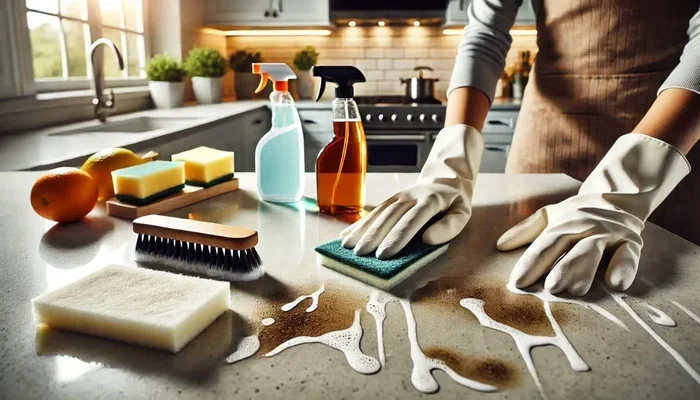

Discover the simplest and most effective ways how to remove stains from kitchen counter surfaces using household items and natural solutions. This guide covers everything from grease stains to stubborn discoloration with easy step-by-step methods. You will learn proven techniques that make your counters look brand new without harsh chemicals.
Every home cook knows the frustration of looking down at a stained kitchen counter. Whether it is a splash of coffee, a streak of grease, or a mysterious mark from a forgotten mug, stains seem to appear out of nowhere. The good news is that you do not need expensive products or toxic chemicals to get your counters looking clean again. With the right approach, you can handle most messes in minutes.
In this guide, we will walk you through every method you need to know about how to remove stains from kitchen counter surfaces. We cover natural remedies, store-bought solutions, and simple prevention tips. By the end, you will feel confident tackling any stain that comes your way. No more stress, no more scrubbing forever, just real results that work.
Your kitchen counter takes a beating every single day. It handles hot pots, sharp knives, spilled sauces, and dropped food. Over time, all of this wear leaves behind marks that can make your kitchen look tired and dirty. But here is the secret most people do not know. Many of these stains can be removed with items you already have in your pantry. Let us dive in and show you exactly how.
Key Takeaways
- Baking soda paste is a powerhouse: It tackles most kitchen counter stains gently and effectively without damaging surfaces.
- Vinegar and hydrogen peroxide work wonders: These natural cleaners break down tough stains and disinfect at the same time.
- Different stains need different approaches: Grease, coffee, hard water, and ink stains all respond best to specific treatments.
- Prevention beats cure: Simple daily habits like wiping counters after use stop stains from setting in.
- Avoid harsh chemicals on delicate surfaces: Using the wrong cleaner can damage granite, marble, or laminate finishes.
- Act fast for best results: The sooner you treat a stain, the easier it is to remove completely.
- Call a professional for extreme cases: Deep-set or ancient stains may need expert attention to avoid surface damage.
📑 Table of Contents
- Why Kitchen Counters Get Stained So Easily
- Best Natural Solutions to Remove Stains from Kitchen Counter
- How to Remove Different Types of Kitchen Counter Stains
- Quick Tips for Keeping Your Kitchen Counter Spotless
- Common Mistakes to Avoid When Cleaning Kitchen Counters
- When to Call a Professional for Stubborn Stain Removal
- Conclusion
Why Kitchen Counters Get Stained So Easily
Understanding why stains form is the first step toward preventing them. Kitchen counters face a unique set of challenges every day. They deal with heat, moisture, acidic foods, oils, and constant use. Each of these factors plays a role in how stains develop and how deeply they set into the surface.
Common Culprits Behind Counter Stains
Several everyday items cause the most damage to kitchen counters. Coffee and tea are big offenders because of their dark pigments. Cooking oils leave behind greasy residue that attracts dirt over time. Tomato sauce and other acidic foods can etch into certain surfaces. Hard water leaves white mineral deposits that build up with each wash. Even spices like turmeric and paprika can cause stubborn yellow or orange marks.
Another sneaky cause is heat. Placing a hot pan directly on a counter can scorch the surface and create discolored spots. These burn marks are often harder to remove than food stains. Similarly, prolonged exposure to sunlight through windows can fade and discolor certain counter materials over time.
How Different Surfaces React to Stains
The type of counter material you have matters a lot when it comes to stain removal. Granite is porous and can absorb liquids quickly. Marble is even more sensitive and can be damaged by acidic cleaners. Laminate counters are non-porous but can still stain from deep-colored liquids. Stainless steel resists stains well but shows scratches and water marks easily. Knowing your surface helps you choose the right cleaning method.
| Surface Type | Porosity Level | Most Vulnerable To | Safe Cleaners |
|---|---|---|---|
| Granite | High | Oil stains, dark liquids | Baking soda, pH-neutral cleaners |
| Marble | Very High | Acidic foods, vinegar damage | Mild soap, warm water |
| Laminate | Low | Dark pigments, heat marks | All-purpose cleaners, baking soda |
| Stainless Steel | Low | Water spots, fingerprints | Vinegar, mild dish soap |
| Quartz | Very Low | Strong pigments, heat | Most household cleaners |
Before you try any cleaning method, always test it on a small hidden area first. This simple step can save you from accidentally damaging your beautiful counters. Wait a few minutes after testing to make sure there is no discoloration or etching before you proceed with the full stain removal.
Best Natural Solutions to Remove Stains from Kitchen Counter
Natural cleaning solutions are safe, affordable, and incredibly effective. You probably already have most of these items in your kitchen right now. They work well on a wide range of stains without the harsh fumes or residue that chemical cleaners leave behind.
Baking Soda Paste Method
Baking soda is one of the most versatile cleaning agents in any home. To use it for stain removal, mix three parts baking soda with one part water to form a thick paste. Apply the paste directly to the stain and let it sit for 10 to 15 minutes. The paste will absorb the stain and break down the discoloration. After it sits, scrub gently with a soft cloth in circular motions. Rinse thoroughly with warm water and dry the surface completely.
This method works beautifully on grease stains, food discoloration, and general grime buildup. For tougher stains, you can let the paste sit for up to 30 minutes. Repeat the process if needed for deeply set marks. Baking soda is gentle enough for daily use on most counter surfaces.
Vinegar and Water Solution
White distilled vinegar is a natural disinfectant and stain lifter. Mix equal parts vinegar and water in a spray bottle. Spray the solution directly onto the stained area and let it sit for five to ten minutes. The acidity in the vinegar helps dissolve mineral deposits, grease, and organic stains. Wipe clean with a damp cloth and dry the surface with a separate dry towel.
One thing to keep in mind. Vinegar should not be used on marble or granite counters. The acid can etch and dull these natural stone surfaces over time. For laminate and stainless steel, vinegar is a safe and effective choice that leaves your counters looking fresh and clean.
Hydrogen Peroxide Treatment
Hydrogen peroxide is excellent for lifting stubborn stains, especially those caused by coffee, tea, or berries. Apply a small amount directly to the stain and let it sit for about 10 minutes. The oxygen in the peroxide breaks down the stain molecules and lifts them from the surface. Wipe away with a clean damp cloth and rinse the area well.
Always use a 3% concentration of hydrogen peroxide, which is the standard available at most drugstores. Test it on a hidden spot first, especially on colored or dark countertops. Hydrogen peroxide can lighten some surfaces if left on too long or used too frequently.
Lemon Juice for Natural Bleaching
Lemon juice is a gentle natural bleaching agent that works well on light-colored counters. Squeeze fresh lemon juice onto the stain and sprinkle a little salt on top. Let the mixture sit for 15 minutes, then scrub gently with a soft sponge. The citric acid in lemon juice helps break down stains while the salt provides mild abrasion. Rinse thoroughly and dry the surface.
Lemon juice works best on laminate and solid surface counters. Avoid using it on natural stone like granite or marble because the acid can cause damage. The fresh citrus scent is also a nice bonus that leaves your kitchen smelling wonderful.
How to Remove Different Types of Kitchen Counter Stains
Not all stains are created equal. Different types of stains require different approaches for effective removal. Understanding what causes each stain helps you choose the right method and get the best results.
Grease and Oil Stains
Grease stains are among the most common kitchen counter problems. They come from cooking oil splashes, greasy food prep, and oily fingers touching the surface. To remove grease stains, start by sprinkling baking soda directly onto the affected area. Let it sit for 15 minutes to absorb the oil. Then add a few drops of dish soap to a damp cloth and scrub the area gently. The baking soda absorbs the grease while the dish soap cuts through the remaining residue.
For particularly stubborn grease stains, make a paste of baking soda and a few drops of water. Apply it thickly over the stain and cover it with a warm damp cloth. Let it sit for 30 minutes, then scrub and rinse. Repeat if necessary. For laminate counters, a small amount of rubbing alcohol on a cloth can also break down tough grease effectively.
Coffee and Tea Stains
Dark beverages like coffee and tea leave behind ugly brown marks on light-colored counters. These stains set in quickly, especially if you do not wipe them up right away. The best approach is to act fast. Blot the spill immediately with a clean cloth, then apply a mixture of baking soda and water to the stain. Let it sit for 10 minutes and wipe clean.
For older coffee or tea stains that have already set in, hydrogen peroxide is your best friend. Apply a small amount to the stain and let it sit for 10 minutes. The oxidation process lifts the dark pigment from the surface. Rinse well and dry completely. You may need to repeat this process once or twice for deep-set stains, but the results are worth the effort.
Hard Water and Mineral Deposits
Hard water leaves behind white, chalky mineral deposits that can make your counters look dull and dirty. These deposits build up over time from water splashes, wet glasses, and steam from cooking. To remove hard water stains, spray full-strength white vinegar onto the affected area. Let it sit for 10 to 15 minutes so the acid can dissolve the mineral buildup.
For heavy mineral deposits, make a paste of baking soda and vinegar. Apply it to the stain and let it fizz for a few minutes. The chemical reaction helps lift the minerals from the surface. Scrub gently with a soft cloth, rinse thoroughly, and dry the counter. Prevention is also key here. Wipe your counters dry after washing or rinsing items on them to stop mineral deposits from forming in the first place.
Marker and Ink Stains
Marker and ink stains on kitchen counters can be tricky, especially if children have been drawing on the surface. The good news is that these stains respond well to rubbing alcohol or hand sanitizer. Apply a small amount to a clean cloth and gently rub the ink stain in circular motions. The alcohol dissolves the ink pigment and lifts it from the counter surface.
For laminate counters, a mixture of baking soda and toothpaste can also work well. Make a paste, apply it to the ink stain, and scrub gently with a soft toothbrush. Rinse thoroughly with warm water. Always test alcohol-based solutions on a hidden area first, especially on colored or patterned laminate surfaces, to make sure there is no discoloration or damage.
Quick Tips for Keeping Your Kitchen Counter Spotless
Prevention is always easier than cure when it comes to kitchen counter stains. A few simple daily habits can keep your counters looking pristine and reduce the need for intensive cleaning sessions. These quick tips save you time and effort in the long run.
Daily Cleaning Habits
- Wipe counters after every use. A quick pass with a damp cloth after cooking prevents stains from setting in.
- Clean up spills immediately. The longer a spill sits, the deeper it penetrates into the surface.
- Use cutting boards for all food prep. This protects your counter from knife marks, pigments, and cuts.
- Place hot pans on trivets or mats. Heat damage is one of the most difficult stains to reverse.
- Dry counters after washing. Leaving water sitting on the surface leads to mineral deposits and water spots.
Stain Prevention Strategies
Beyond daily habits, there are proactive steps you can take to protect your counters. Applying a food-safe sealant to granite or marble counters creates a barrier against stains and moisture. Reapply the sealant every six months for best protection. For laminate counters, a thin layer of car wax can add a protective shield that makes cleanup easier and prevents stains from penetrating the surface.
Another great strategy is to use counter liners or mats in high-use areas. These protect the surface from spills, heat, and scratches. They are especially useful near the stove and sink, where most stains originate. Choosing the right mat material for your counter type ensures you get protection without causing damage.
Expert Insight
Professional cleaners recommend cleaning your kitchen counters at least twice a day if you cook frequently. A quick morning and evening wipe-down with a mild cleaner keeps stains from building up and makes deep cleaning sessions much less frequent. Consistency is the real secret to stain-free counters.
Common Mistakes to Avoid When Cleaning Kitchen Counters
Even with the best intentions, people often make mistakes that cause more harm than good when cleaning their kitchen counters. Knowing what to avoid saves you time, money, and potential damage to your surfaces.
Using the Wrong Cleaners
One of the biggest mistakes is using abrasive cleaners or bleach on delicate surfaces. Harsh chemicals can strip the finish, cause discoloration, or create permanent etching on natural stone. Always check the manufacturer’s cleaning recommendations for your specific counter material. When in doubt, stick with mild soap and water or the natural solutions mentioned earlier in this guide.
Another common error is using too much water. Excess moisture can seep into the seams and edges of laminate counters, causing swelling and damage over time. Use a damp cloth rather than a soaking wet one, and always dry the surface thoroughly after cleaning.
Skipping Surface Protection
Many homeowners skip the step of sealing their counters. This is especially damaging for granite and marble, which are porous and absorb liquids quickly. Without proper sealing, stains penetrate deep into the stone and become nearly impossible to remove with surface cleaning alone. Sealing your counters is a simple process that takes just a few minutes and provides months of protection.
Another mistake is using steel wool or harsh scrubbers on smooth surfaces. These tools create micro-scratches that trap dirt and make future stains harder to remove. Always use soft cloths, microfiber towels, or gentle sponges when cleaning your kitchen counters.
Quick Tip: Keep a dedicated cleaning spray and cloth near your kitchen counter so you always have what you need for quick wipe-downs. When cleaning supplies are within arm’s reach, you are much more likely to clean up spills right away before they become permanent stains.
When to Call a Professional for Stubborn Stain Removal
Most kitchen counter stains can be removed with the methods described above. However, there are times when professional help is the right choice. Knowing when to call an expert saves you from frustrating trial and error and protects your counter surfaces from accidental damage.
Signs You Need Expert Help
Deep-set stains that do not respond to multiple cleaning attempts are a clear sign you need professional assistance. If you have tried baking soda, vinegar, hydrogen peroxide, and other methods without success, the stain may be embedded too deeply for DIY removal. Similarly, stains on expensive natural stone like marble or quartzite should be handled by professionals to avoid costly damage.
Another sign is when stains are accompanied by surface damage such as etching, deep scratches, or discoloration that goes beyond just the stain. Professionals have access to specialized tools and compounds that can restore the surface while removing the stain safely. They also know how to match the finish and texture of your specific counter material.
What to Expect from a Professional Service
Professional stain removal services typically start with a thorough assessment of the counter surface and the type of stain present. They then select the appropriate cleaning method and products based on the material and severity of the stain. Most professionals use industrial-grade cleaners that are much stronger than anything available for home use, yet they know how to apply them safely.
The cost of professional services varies depending on the size of the area, the type of stain, and the counter material. For a single countertop section, you can expect to pay anywhere from $100 to $300 for professional stain removal. Many services also offer sealing as part of their treatment, which adds extra protection against future stains.
Conclusion
Removing stains from your kitchen counter does not have to be a difficult or frustrating task. With the right knowledge and the right tools, you can handle most stains quickly and effectively. Natural solutions like baking soda, vinegar, hydrogen peroxide, and lemon juice work wonders on a wide variety of stains without the need for harsh chemicals.
Remember that acting fast is the key to successful stain removal. The sooner you address a spill or mark, the easier it is to clean completely. Prevention through daily habits and surface protection goes a long way toward keeping your counters looking their best. And when stains do set in, the methods in this guide give you everything you need to tackle them with confidence.
Now that you know how to remove stains from kitchen counter surfaces using these proven techniques, you can keep your kitchen looking clean and inviting every single day. Start with the simplest methods and work your way up to stronger treatments as needed. Your counters deserve the best care you can give them, and now you have the knowledge to provide it.
Frequently Asked Questions
What is the best way to remove stains from kitchen counter naturally?
The best natural method is using a baking soda paste. Mix baking soda with water to form a thick consistency, apply it to the stain, and let it sit for 15 minutes. Scrub gently with a soft cloth and rinse clean. This method works on most stain types and is safe for almost all counter surfaces.
Can vinegar damage kitchen countertops?
Vinegar can damage natural stone surfaces like marble and granite because its acidity etches the stone. It is safe for laminate, stainless steel, and quartz counters. Always check your counter material before using vinegar, and when in doubt, stick with mild soap and water.
How do you remove old set-in stains from kitchen counters?
For old stains, apply hydrogen peroxide or a baking soda paste and let it sit for 30 minutes. You may need to repeat the treatment two or three times for deeply set stains. For the best results, combine the treatment with gentle scrubbing using a soft toothbrush to lift the stain from the surface.
What household items remove kitchen counter stains effectively?
Baking soda, white vinegar, hydrogen peroxide, lemon juice, and dish soap are the most effective household items for removing kitchen counter stains. Each works best on different stain types, so having all of them on hand gives you a complete stain removal toolkit.
Is it safe to use bleach on kitchen counters?
Bleach is generally not recommended for kitchen counters. It can damage the surface finish, cause discoloration, and leave harmful residue that comes into contact with food. Stick to natural cleaners or mild dish soap solutions for safe and effective kitchen counter cleaning.
How often should I seal my kitchen counters to prevent stains?
Natural stone counters like granite and marble should be sealed every six months for best protection. Laminate and quartz counters do not need sealing but benefit from regular cleaning with appropriate products. Sealing creates a protective barrier that prevents liquids and oils from penetrating the surface and causing stains.