
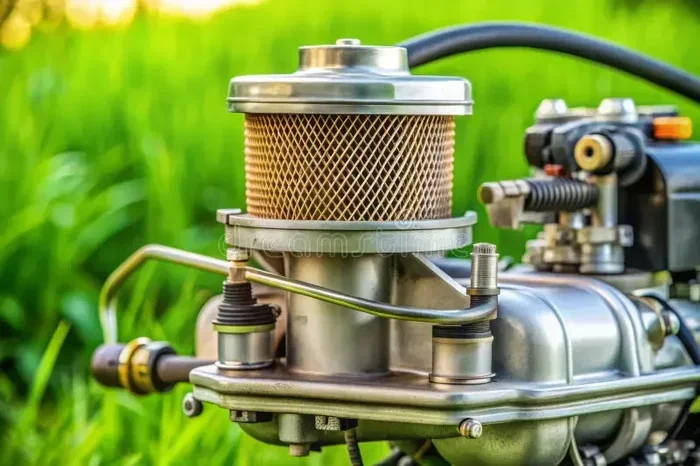

Your lawn mower carburetor might be bad if you notice hard starting, engine sputtering, rough idle, or black smoke. A dirty or damaged carburetor is one of the most common reasons small engines fail to run properly. This guide walks you through every telltale sign, simple tests you can do at home, and the steps to fix or replace a bad carburetor so your mower runs like new again.
You fire up your lawn mower on a sunny Saturday morning, pull the cord a few times, and… nothing. Or maybe it starts but runs rough, sputters, and dies after a minute. Before you call a repair shop or buy a whole new machine, take a breath. The culprit is often hiding right inside the engine — the lawn mower carburetor.
The carburetor is a small but mighty part. It mixes air and fuel in the right ratio so your engine can burn efficiently. When it goes bad, everything falls apart. Your mower struggles, your grass suffers, and your weekend plans take a hit. The good news? Telling if your lawn mower carburetor is bad is something you can do yourself with a few simple checks.
In this guide, we will walk through every sign of a failing carburetor, the tests you can run at home, and the exact steps to fix or replace it. Whether you own a push mower, a riding mower, or a tiny push reel, this article covers you. Let us get your small engine running smoothly again.
Key Takeaways
- Engine won’t start or stalls easily: A clogged or worn carburetor disrupts the fuel-air mixture, making ignition difficult.
- Sputtering and surging point to carburetor trouble: Uneven combustion often traces back to a dirty float bowl or stuck needle valve.
- Black or white smoke signals fuel problems: A rich or lean mixture caused by a failing carburetor produces visible exhaust smoke.
- Simple tests can confirm a bad carburetor: Checking the fuel lines, air filter, and spark plug helps isolate the problem before you assume the worst.
- Cleaning often fixes the issue: A carburetor rebuild kit and carb cleaner spray can resolve most common problems without a full replacement.
- Know when to replace: Cracked housings, corroded internal parts, or repeated clogs mean it is time for a new carburetor.
- Prevention keeps your small engine healthy: Regular maintenance, fresh fuel, and a clean air filter extend carburetor life significantly.
📑 Table of Contents
What Does a Lawn Mower Carburetor Do?
Before we dive into the symptoms, let us quickly cover what the carburetor actually does. Think of it as the brain of your fuel system. It takes gasoline from the tank and blends it with air before sending the mixture into the engine cylinder. The right balance is everything.
Too much fuel and the engine runs rich. Too little and it runs lean. Both conditions cause problems. A healthy small engine carburetor keeps this balance steady so your mower runs clean and strong.
Key Parts of a Carburetor
A carburetor has several small parts that work together:
- Float bowl: Holds a small amount of fuel and regulates flow.
- Needle valve: Controls how much fuel enters the float bowl.
- Jet: A tiny opening that meters fuel into the air stream.
- Idle screw: Adjusts the fuel mixture at low speeds.
- Choke valve: Restricts air during cold starts for easier ignition.
- Air intake: Pulls in outside air to mix with fuel.
When any of these parts get dirty, worn, or stuck, the whole system suffers. Now let us look at the signs that tell you something is wrong.
How To Tell If Lawn Mower Carburetor Is Bad: 10 Clear Signs
So how do you actually know if your carburetor is the problem? There are some unmistakable clues. Here are the top signs that your lawn mower carburetor is bad and needs attention.
1. Engine Won’t Start at All
This is the most obvious sign. You pull the cord or press the start button, and nothing happens. If the spark plug is good and there is fuel in the tank, a bad carburetor is often to blame. Old fuel turns into varnish inside the carburetor, clogging the tiny jet passages. The engine simply cannot get the fuel-air mixture it needs to ignite.
Before you assume the carburetor is bad, check the fuel lines and primer bulb first. Sometimes the problem starts upstream. But if those parts look clean, the carburetor is the next place to look.
2. Engine Starts but Dies Quickly
Your mower fires up, runs for a few seconds, and then shuts off. This is a classic symptom of a carburetor problem. The float needle might be stuck, preventing fuel from flowing steadily into the combustion chamber. Or the idle circuit could be clogged, starving the engine at low speeds.
This is especially common in mowers that sit unused for weeks or months. Ethanol in modern gasoline attracts moisture and creates a sticky residue that gums up the internal components.
3. Rough or Irregular Idle
A healthy mower engine idles smoothly at a steady RPM. If you notice the engine bouncing, hunting, or making uneven sounds while sitting still, the fuel mixture is likely off. A dirty carburetor cannot maintain a consistent fuel flow, causing the idle to surge up and down.
Try adjusting the idle screw first. If that does not help, you probably have carbon buildup or varnish inside the carburetor body.
4. Engine Sputters or Surges Under Load
When you engage the blade or mow up a hill, the engine demands more fuel. A failing carburetor cannot respond to that increased demand. You will hear sputtering, popping, or a sudden loss of power.
This symptom often points to a clogged main jet or a worn diaphragm inside the carburetor. The engine is essentially gasping for fuel when it needs it most.
5. Black Smoke From the Exhaust
Black smoke means the engine is running rich — too much fuel and not enough air. A stuck choke valve, a dirty air filter, or a malfunctioning needle valve inside the carburetor can all cause this. The excess fuel burns incompletely and produces that dark, oily smoke you see coming from the exhaust.
Running rich for a long time will also foul the spark plug and increase fuel consumption. It is not just annoying — it damages your engine over time.
6. White or Blue Smoke
White or blue smoke usually means the opposite: too much air and not enough fuel. The engine is running lean. A clogged fuel filter, cracked fuel line, or a carburetor jet blocked by varnish deposits can create this condition. Running lean causes overheating and can seize the engine if left unchecked.
If you notice this type of smoke, check your fuel delivery system carefully before assuming the carburetor is at fault.
7. Fuel Leaks Around the Carburetor
Do you see fuel pooling around the base of the carburetor or dripping from the engine? This usually means the float is stuck or the needle valve is worn out. When the float cannot rise and fall properly, fuel overflows from the bowl and leaks out.
Fuel leaks are not just messy. They are a fire hazard and waste gasoline. Fix this problem immediately.
8. Strong Fuel Smell
A faint fuel smell near the engine is normal. But a strong, persistent smell of gasoline means fuel is not being drawn into the engine properly. The carburetor is either clogged or has a failed internal component that prevents proper fuel metering.
Do not ignore this. Unburned fuel can damage other engine parts and create a safety risk.
9. Difficulty Adjusting the Choke
The choke helps your engine start in cold conditions. If you notice the choke lever does not move smoothly, or the engine runs poorly whether the choke is on or off, the carburetor’s choke valve might be stuck or damaged. This is a direct indicator of internal carburetor wear.
10. Poor Fuel Economy
Have you noticed you are filling up the gas tank more often than usual? A carburetor that is not metering fuel correctly wastes gasoline. Your mower burns more fuel than it should because the mixture is either too rich or too lean. This is an easy sign to overlook but a clear indicator that something is wrong internally.
Simple Tests To Confirm a Bad Carburetor
Now that you know the signs, let us talk about how to actually confirm the problem. You do not need expensive tools or a mechanic. A few basic checks will tell you if the carburetor is the issue.
Test 1: Check the Air Filter First
A clogged air filter mimics many carburetor symptoms. Remove the air filter and hold it up to a light. If you cannot see light through it, clean or replace it. A dirty air filter restricts airflow, causing a rich fuel mixture that looks exactly like a carburetor problem.
Test 2: Inspect the Fuel Lines
Disconnect the fuel line from the carburetor and let fuel flow freely into a container. If the fuel trickles out or does not flow at all, the problem might be a clogged fuel line or a bad fuel pump — not necessarily the carburetor itself.
Test 3: Remove and Examine the Carburetor
This is the most definitive test. Remove the carburetor from the engine and look at the outside. Check for cracks, corrosion, or fuel residue. Then remove the float bowl and inspect the needle valve and jet. If you see varnish, gum, or rust inside, your carburetor is bad.
Test 4: Try Starting with Carb Cleaner Spray
Spray a small amount of carburetor cleaner into the carburetor throat while someone pulls the starter cord. If the engine fires up briefly and then dies, the carburetor is the problem. The cleaner temporarily clears the blockage, but the underlying issue remains.
Common Causes of Carburetor Failure
Understanding what causes a carburetor to go bad helps you prevent the problem in the future. Here are the most common reasons your small engine carburetor fails.
Old or Stale Fuel
This is the number one cause of carburetor problems. Gasoline breaks down within 30 to 60 days. The ethanol in modern fuel attracts moisture, creating a gummy residue that clogs jets and sticks to internal surfaces. If you store your mower with fuel left in the tank over winter, the carburetor is almost guaranteed to have issues in spring.
Dirty or Clogged Air Filter
A clogged air filter allows too much fuel into the combustion chamber because the airflow is restricted. Over time, this rich mixture coats the inside of the carburetor with a thick, oily residue that hardens and blocks passages.
Debris in the Fuel Tank
Rust, dirt, and sediment from the fuel tank can travel through the fuel lines and into the carburetor. Even tiny particles can block the delicate jet orifices and prevent proper fuel flow.
Water Contamination
Water in the fuel tank — whether from condensation or bad gasoline — causes corrosion inside the carburetor. Rust particles form and clog the tiny passages. Water also prevents proper combustion and can damage the needle valve seat.
Worn Rubber Components
The diaphragm, gaskets, and seals inside a carburetor are rubber. Over time, they dry out, crack, and fail. A torn diaphragm causes a loss of fuel pressure and poor engine performance. These rubber parts are inexpensive and easy to replace with a carburetor rebuild kit.
How To Fix or Replace a Bad Carburetor
Once you have confirmed the carburetor is the problem, you have two options: clean and rebuild it, or replace it entirely. Here is how to approach each.
Option 1: Clean and Rebuild the Carburetor
For most problems, a thorough cleaning solves the issue. Here is what you need:
- A carburetor rebuild kit (usually under $15).
- Carburetor cleaner spray.
- A small wrench set and screwdrivers.
- A clean workspace with a tray to catch fuel.
Steps to follow:
- Remove the air filter and disconnect the fuel line.
- Unbolt the carburetor from the engine.
- Remove the float bowl and inspect for debris.
- Spray carb cleaner into all passages and jets.
- Soak the carburetor body in cleaner if it is heavily clogged.
- Replace the needle valve, gaskets, and diaphragm from the rebuild kit.
- Reassemble and reattach to the engine.
- Adjust the idle and high-speed screws to factory settings.
Most homeowners can complete this process in 30 to 45 minutes. It saves money and extends the life of your small engine.
Option 2: Replace the Carburetor
If the carburetor is cracked, corroded beyond cleaning, or has internal damage that cannot be fixed, replacement is the way to go. You can find replacement carburetors online or at your local small engine parts store. Make sure you match the model number of your mower engine to get the right fit.
Replacement carburetors typically cost between $30 and $80, depending on the engine brand and model. This is far cheaper than a professional repair or a new mower.
Quick Tips To Prevent Carburetor Problems
Prevention is always easier than repair. Follow these simple tips to keep your lawn mower carburetor healthy for years.
- Use fresh fuel: Never use gasoline that is more than 30 days old. Add a fuel stabilizer if you store the mower for extended periods.
- Drain the tank before storage: Run the engine until it stalls after the last mow of the season. This empties the carburetor bowl of fuel that could go stale.
- Replace the air filter regularly: Check it every month during mowing season and replace it when it looks dirty.
- Use a fuel filter: A small inline fuel filter catches debris before it reaches the carburetor.
- Add a gas cap vent: A vented gas cap prevents condensation inside the fuel tank, reducing water contamination.
- Run the mower at full throttle: This keeps the engine hot enough to burn off deposits and prevents carbon buildup in the carburetor.
When To Call a Professional
Most carburetor problems are DIY-friendly. But there are times when calling a small engine repair technician makes sense. If you have cleaned and rebuilt the carburetor and the engine still runs poorly, there may be deeper issues like worn piston rings, valve problems, or internal engine damage. A professional can diagnose these problems with specialized tools and experience.
Also, if you are not comfortable working with fuel systems, it is perfectly okay to seek help. Safety comes first. A trained technician can handle fuel lines, carburetor adjustments, and engine diagnostics safely and efficiently.
Final Thoughts
A bad carburetor is one of the most common and fixable problems with any lawn mower. By learning the warning signs — hard starting, sputtering, rough idle, smoke, fuel leaks, and poor fuel economy — you can catch the problem early before it damages your engine further.
Start with the simple tests we covered. Check the air filter, inspect the fuel lines, and look at the carburetor itself. In most cases, a good cleaning with a quality carburetor cleaner and a rebuild kit will bring your small engine back to life. If the carburetor is beyond repair, a replacement is affordable and straightforward.
Take care of your carburetor and it will take care of your lawn. Fresh fuel, clean filters, and proper storage go a long way. Now you know exactly how to tell if lawn mower carburetor is bad and what to do about it. Get out there, fix that mower, and enjoy a clean, healthy yard all season long.
Frequently Asked Questions
Can a bad carburetor cause a lawn mower to overheat?
Yes. When a carburetor delivers too much air and not enough fuel, the engine runs lean. A lean mixture burns hotter than normal and can cause the engine to overheat. If your mower is overheating and you have already checked the oil and cooling fins, inspect the carburetor for clogged passages or a stuck needle valve.
How much does it cost to replace a lawn mower carburetor?
A replacement carburetor typically costs between $30 and $80 for most residential mowers. If you hire a professional to install it, expect to pay an additional $50 to $100 for labor. Doing the replacement yourself saves money and is well within the skill range of most homeowners with basic mechanical ability.
Can I clean a carburetor without removing it from the engine?
You can spray carburetor cleaner into the throat and intake while the engine is off. This may help with minor buildup. However, for a thorough cleaning, removing the carburetor is strongly recommended. Internal passages and the float bowl cannot be properly cleaned without disassembly.
How often should I rebuild my lawn mower carburetor?
Most carburetors last several years with proper maintenance. If you use your mower regularly and follow storage guidelines, a rebuild every 3 to 5 years is usually sufficient. Mowers that sit unused for long periods or run on old fuel may need rebuilding annually.
What is the difference between a carburetor cleaning and a carburetor rebuild?
A cleaning involves spraying carb cleaner through the passages and jets to remove varnish and debris. A rebuild goes further — you disassemble the carburetor completely, replace worn parts like the needle valve, diaphragm, gaskets, and float, and reassemble everything with fresh components. A rebuild restores the carburetor to near-new condition.
Does ethanol-free fuel prevent carburetor problems?
Yes, significantly. Ethanol attracts moisture from the air, which leads to water contamination and varnish buildup inside the carburetor. Using ethanol-free fuel, also called recreational fuel or E0 gasoline, dramatically reduces carburetor issues and extends the life of all small engine components.
=== CONCLUSION ===
Knowing how to tell if lawn mower carburetor is bad saves you time, money, and frustration. The signs are clear once you know what to look for — hard starts, sputtering, smoke, fuel leaks, and poor performance all point to carburetor trouble. With the simple tests and fixes covered in this guide, you can diagnose the problem and get your mower running again in under an hour.
Remember to use fresh fuel, keep your air filter clean, and store your mower properly each season. These small habits prevent the vast majority of carburetor problems before they start. Your lawn mower works hard for you — give it the care it deserves, and it will keep your yard looking its best year after year.