
Kitchen shelf brackets are the simple hardware pieces that can completely change how you store and display items in your home. Whether you need kitchen shelf brackets for extra counter space or want to create a stylish wall mounted shelf display, the right bracket makes all the difference. This guide covers every type, material, and installation tip you need to pick the perfect shelf brackets for your space.
Kitchen shelf brackets are one of the easiest and most affordable ways to boost your storage game. These small but mighty pieces of hardware hold up shelves that give you extra space to store dishes, spices, cookbooks, and decorative items. If your kitchen feels cramped or cluttered, the right kitchen shelf brackets can open up valuable counter space and make your daily routine smoother.
But here is the thing. Not all brackets are the same. There are dozens of styles, materials, and sizes to choose from. Some are built to hold heavy pots and pans. Others are designed to look pretty and hold lightweight items like candles or small plants. Picking the wrong one can lead to sagging shelves, wall damage, or even something falling and breaking. That is why we put together this complete guide.
In this article, you will learn about the different shelf bracket types available, how to choose the right material for your needs, and step-by-step tips for installation. We will also cover common mistakes to avoid and share expert ideas for making your shelves look amazing. By the end, you will feel confident picking out and installing kitchen shelf brackets that truly transform your storage.
Key Takeaways
- Multiple bracket types exist: From floating to L-bracket designs, there is a perfect option for every storage need.
- Material matters: Steel, wood, and brass brackets each offer different strength and style profiles.
- Proper installation is key: Using the right anchors and following weight limits ensures safety and longevity.
- Style can be functional: Decorative and hidden brackets let you blend storage with your kitchen aesthetic.
- Kitchen shelf brackets work beyond the kitchen: They are great for bathrooms, living rooms, and closets too.
- Adjustable brackets save time: They let you change shelf height easily as your storage needs shift.
- Heavy duty options handle real weight: You can store pots, books, and appliances without worry.
📑 Table of Contents
- Why Kitchen Shelf Brackets Matter for Your Home
- Types of Kitchen Shelf Brackets You Can Choose From
- How to Pick the Right Kitchen Shelf Brackets for Your Space
- Installing Kitchen Shelf Brackets: A Step-by-Step Guide
- Common Mistakes to Avoid When Using Kitchen Shelf Brackets
- Expert Tips to Make Your Kitchen Shelf Brackets Look Stunning
- Kitchen Shelf Brackets for Every Room in Your Home
- Comparison: Popular Kitchen Shelf Bracket Materials
- Conclusion
Why Kitchen Shelf Brackets Matter for Your Home
Most people underestimate how much a simple wall shelf bracket can change a room. Shelves add vertical storage, which means you use wall space instead of floor space. This is especially important in small kitchens where every inch counts. A few well-placed shelves can free up counter space and make your kitchen feel bigger and more organized.
But the benefits go beyond just extra storage. Kitchen shelf brackets give you a place to display items you use every day. Your coffee mug collection, your favorite cookbooks, or a beautiful vase can all live on a shelf that keeps them within easy reach. This is what experts call kitchen organization, and it is one of the simplest ways to reduce daily stress in your home.
How Brackets Improve Daily Kitchen Workflow
Think about your morning routine. You reach for a coffee mug, grab a spatula, or look for a cutting board. When these items are scattered across counters and in drawers, it slows you down. Wall mounted shelves with the right shelf support brackets put everything at your fingertips. You can group items by use. Spices near the stove. Mugs near the coffee maker. Cutting boards near the prep area.
This kind of setup saves real time over the course of a week. It also reduces clutter, which studies show can lower stress levels. When your kitchen feels calm and ordered, you are more likely to enjoy cooking and spending time there. That is the real power of good kitchen storage solutions.
The Role of Brackets in Shelf Stability
A shelf is only as good as its bracket. The bracket is what holds everything up. Cheap or poorly installed brackets can lead to shelves that sag, wobble, or even collapse. This is why choosing high-quality shelf brackets matters so much. You want hardware that can handle the weight of what you plan to store.
Most quality bracket for shelves options are rated for specific weight capacities. A standard steel shelf bracket can hold 20 to 50 pounds per pair, depending on the size and anchor type. Always check the weight rating before you buy. And never exceed it. Overloading a shelf is one of the fastest ways to damage your walls or lose stored items.
Types of Kitchen Shelf Brackets You Can Choose From
Not all shelf bracket types look the same, and they serve different purposes. Understanding the main categories helps you narrow down your choices quickly. Here are the most popular options you will find in stores and online.
Floating Shelf Brackets
Floating shelf brackets are designed to be hidden inside the shelf. From the outside, the shelf looks like it is floating on the wall with no visible support. This gives a clean, modern look that many homeowners love. These brackets usually slide into a slot cut into the back of the shelf and screw into the wall.
They work great for lightweight items like books, photos, or small plants. However, they are not the best choice for heavy kitchen items. If you plan to store pots or large appliances, a different bracket type might be a better fit.
L-Bracket Shelves
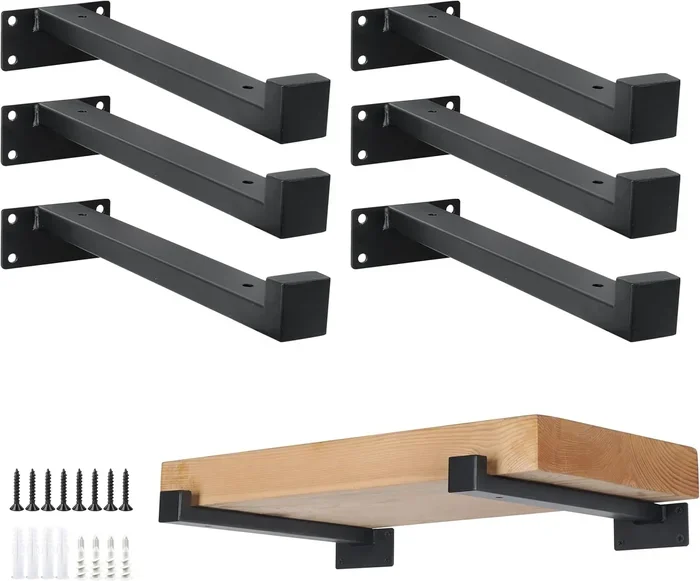
The L-bracket shelf is one of the most classic and versatile designs. It gets its name from its shape, which looks like the letter L. One arm attaches to the wall, and the other arm supports the shelf from below. These brackets come in many sizes and are available in steel, iron, and brass finishes.
L-bracket shelves are strong and reliable. They are a go-to choice for heavy duty shelf brackets applications. You will often see them in professional kitchens and home garages. They are easy to install and come in adjustable versions that let you change the shelf height.
Adjustable Shelf Brackets
If you like flexibility, adjustable shelf brackets are worth considering. These brackets have holes or slots that let you move the shelf up or down as your needs change. This is perfect for kitchens where storage needs shift with the seasons. You might want lower shelves for heavy pots in the winter and higher shelves for lightweight items in the summer.
Adjustable brackets work with most shelf materials, including wood, glass, and laminate. They are a smart investment if you want a setup that can grow and adapt with you.
Decorative Shelf Brackets
Not every bracket has to be purely functional. Decorative shelf brackets add a visual element to your shelves. Think scrollwork, curved designs, or vintage-style iron brackets. These brackets turn a simple shelf into a design feature that draws the eye.
They are perfect for display shelves in living rooms or dining areas. You can use them to showcase decorative items, family photos, or collectibles. Just keep in mind that decorative brackets may not be as strong as plain steel options. Check the weight rating before placing heavy items on shelves with decorative brackets.
Hidden Shelf Brackets
Hidden shelf brackets are similar to floating brackets but often use a different mounting system. They are designed to be completely invisible once the shelf is in place. This creates a sleek, minimalist look that works well in modern and contemporary kitchens.
These brackets usually require precise cutting and installation. They are best suited for DIY enthusiasts who enjoy a hands-on project. The result is a beautiful, seamless look that makes your shelves appear to defy gravity.
Corner Shelf Brackets
Corner spaces in kitchens often go to waste. Corner shelf brackets solve this problem by allowing you to install shelves in the corners of your room. These brackets are angled to fit snugly into the corner and provide a useful ledge for storing items you do not use every day.
They are great for holding spices, oils, or decorative pieces. Corner shelves also draw the eye upward, making your kitchen feel taller and more spacious. They are an easy way to add storage without taking up any wall or counter space.
How to Pick the Right Kitchen Shelf Brackets for Your Space
Choosing the right kitchen shelf brackets comes down to a few key factors. Take a moment to think about what you need before you shop. The right choice will save you time, money, and frustration in the long run.
Consider the Weight You Need to Support
This is the most important factor. What will you put on your shelves? Heavy cast iron pots need a different bracket than a collection of light spice jars. For heavy items, look for heavy duty shelf brackets made from thick steel or iron. For lighter items, you can use thinner materials like aluminum or even sturdy plastic.
A good rule of thumb is to estimate the total weight of everything you plan to store. Then add 25 percent extra capacity as a safety margin. This ensures your shelves stay secure even if you add more items over time.
Match the Bracket Style to Your Kitchen Decor
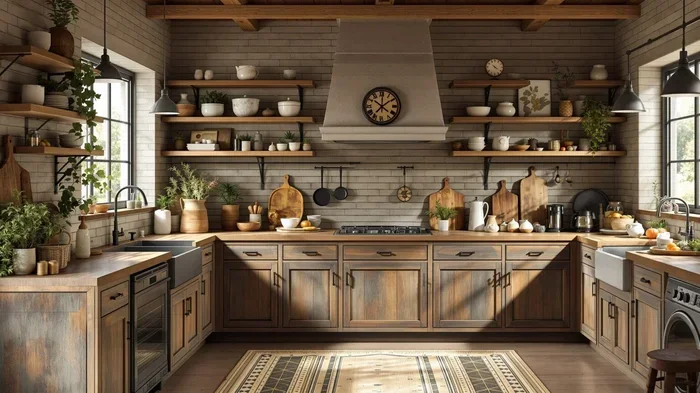
Your kitchen has a style, and your brackets should match it. In a rustic kitchen, wrought iron or distressed wood brackets look right at home. In a modern kitchen, clean-line steel or chrome brackets blend in perfectly. For a farmhouse look, consider wood shelf brackets with a natural finish.
Take a photo of your kitchen and bring it with you when you shop. This helps you visualize how different bracket styles will look in your space. You can also hold up sample brackets next to your cabinets and countertops to see how they match.
Think About the Shelf Material
The bracket and the shelf should work together. Wood shelves pair well with metal brackets for a balanced look. Glass shelves need brackets with a secure grip, often featuring rubber or silicone padding to prevent slipping. Laminate or melamine shelves are lightweight and work with most bracket types.
Make sure the bracket you choose is compatible with your shelf material. Some brackets require pre-drilled holes in the shelf, while others clamp on from below. Check the product specifications before you buy to avoid compatibility issues.
Measure Your Space Carefully
Before purchasing any shelf hardware, measure the wall space where you plan to install the shelves. Note the distance between studs if you are mounting into drywall. Also consider the depth of the shelf. A deeper shelf holds more items but may be harder to reach.
A standard kitchen shelf depth is 10 to 12 inches. This is deep enough for most items without being too bulky. For a tight space like a hallway or small kitchen, a 6 to 8 inch shelf may work better. Always measure twice and buy once.
Installing Kitchen Shelf Brackets: A Step-by-Step Guide
Installing kitchen shelf brackets is easier than most people think. With the right tools and a little patience, you can have new shelves up in an afternoon. Here is a simple walkthrough to guide you through the process.
Tools You Will Need
Gather these tools before you start:
- A drill with appropriate drill bits
- A level to ensure your shelves are straight
- A pencil for marking positions
- A stud finder to locate wall studs
- Screws and wall anchors (included with most brackets)
- A screwdriver or screwdriver bit
- A tape measure
Step-by-Step Installation Process
- Plan your layout. Decide where you want each shelf. Use a pencil to lightly mark the spot where each bracket will go. Use a level to make sure your marks are straight.
- Locate the studs. Use a stud finder to find the wooden studs behind your drywall. Mounting into studs gives the strongest hold. If you cannot hit a stud, use heavy duty wall anchors rated for the weight you need.
- Attach the first bracket. Hold the bracket against the wall at your marked position. Drill pilot holes through the bracket holes into the wall. Insert wall anchors if needed, then screw the bracket into place.
- Use a level. After attaching the first bracket, place a level on top of it to check for straightness. Adjust before you tighten the screws fully.
- Attach the remaining brackets. Repeat the process for each additional bracket. Use the level between each bracket to make sure they all line up.
- Place the shelf. Set your shelf on top of the brackets. Check that it sits evenly. If it wobbles, adjust the brackets slightly before securing them with the screws that come with the bracket.
- Test the weight. Gently place items on the shelf and check for any signs of bending or movement. Wait 24 hours and check again before loading the shelf fully.
Quick Tips for a Smooth Installation
- Always pre-drill pilot holes. This prevents the wood or drywall from cracking.
- Use a magnetic level. It sticks to metal brackets and makes the job much easier.
- Have a partner hold the bracket in place while you mark the holes.
- Do not overtighten screws. This can strip the holes and weaken the hold.
- If you are mounting into drywall without studs, use toggle bolts for the strongest grip.
Common Mistakes to Avoid When Using Kitchen Shelf Brackets
Even with the best intentions, mistakes happen. Knowing what to avoid saves you from headaches and costly repairs. Here are the most common errors people make with kitchen shelf brackets.
Skipping Wall Anchors
One of the biggest mistakes is mounting brackets into drywall without anchors. Drywall alone cannot hold weight. Over time, the screws will pull out and your shelf will fall. Always use appropriate wall anchors, especially if you cannot mount into a stud. Toggle bolts and snap toggles are among the strongest options for drywall installations.
Overloading the Shelf
Every bracket has a weight limit. Exceeding it is a recipe for disaster. People often stack too many heavy items on a single shelf without checking the bracket rating. Spread the weight across multiple brackets and shelves. If you are unsure, test with lighter items first and gradually add weight over several days.
Ignoring the Level
A crooked shelf looks bad and can cause items to slide off. Skipping the level is a mistake that is easy to avoid. Take the extra two minutes to check your alignment. It makes a huge difference in the final result. A level costs just a few dollars and will save you from re-drilling holes later.
Choosing the Wrong Bracket Size
Brackets that are too small for your shelf length will not provide enough support. As a general rule, use a bracket every 16 to 24 inches along the shelf length. For shelves longer than 36 inches, use at least three brackets. This prevents the shelf from sagging in the middle over time.
Forgetting to Check for Plumbing or Wiring
Before you drill into any wall, check for hidden pipes and wires behind the surface. Drilling into a water line can cause serious damage and leaks. Use a stud finder with a wire detection feature, or consult a professional if you are unsure about what is behind your walls.
Expert Tips to Make Your Kitchen Shelf Brackets Look Stunning
Installation is only half the battle. Making your shelves look great is what turns a functional storage solution into a design feature. Here are expert tips to elevate your kitchen shelf brackets and make them a real focal point in your kitchen.
Use the Rule of Thirds for Styling
Interior designers often use the rule of thirds when styling shelves. Divide your shelf into three sections. Place one tall item, one medium item, and leave some space. This creates visual balance and prevents your shelves from looking cluttered. Apply this to each shelf for a polished, curated look.
Mix Heights and Textures
Avoid placing items of the same height side by side. Instead, create groups with varying heights. A tall candle next to a small plant next to a stack of books looks much more interesting than items lined up in a row. Mix textures too. A ceramic vase next to a wooden bowl and a metal utensil holder adds depth and visual appeal.
Add Under-Shelf Lighting
Small LED strip lights attached to the underside of your shelf can transform the look and feel of your kitchen. They highlight your displayed items and add a warm glow. Battery-powered LED strips are easy to install and do not require any wiring. This simple addition makes even basic open shelving brackets look high-end.
Keep It Clutter-Free
One of the biggest secrets to beautiful shelves is restraint. Resist the urge to fill every inch of space. Leave some breathing room. A few well-chosen items look far better than a crowded shelf. Rotate your displays seasonally to keep things fresh without buying new items.
Kitchen Shelf Brackets for Every Room in Your Home
While kitchen shelf brackets are the most popular choice, they are not limited to the kitchen. These versatile brackets work beautifully in many other rooms too. Here is how you can use them throughout your home.
Bathroom Shelf Brackets
Bathroom shelf brackets are perfect for creating storage in a space that often lacks it. Install a shelf above the toilet to hold towels, extra toilet paper, or decorative items. In the shower, a waterproof shelf with a bracket for shelves designed for moisture resistance keeps soaps and shampoos organized and off the counter.
Living Room Shelf Brackets
In the living room, shelf brackets for living room spaces let you display books, art, and family photos. Floating brackets create a modern look, while decorative iron brackets add warmth and character. These shelves also work well as a TV stand alternative, holding your streaming devices and gaming consoles.
Closet Shelf Brackets
Closets often have wasted vertical space. Closet shelf brackets let you add shelves above your hanging clothes for folded items, shoes, or accessories. This is one of the best kitchen organization strategies that extends beyond the kitchen. A few adjustable shelf brackets in your closet can double your storage capacity.
Garage and Workshop Shelf Brackets
Garages and workshops benefit from heavy duty shelf brackets made from steel or iron. These brackets can handle the weight of tools, paint cans, and hardware supplies. Install them at varying heights to accommodate different item sizes. Label each shelf for quick and easy access.
Comparison: Popular Kitchen Shelf Bracket Materials
Choosing the right material for your kitchen shelf brackets affects both strength and appearance. Here is a quick comparison of the most common materials you will encounter.
| Material | Strength | Style | Best For | Price Range |
|---|---|---|---|---|
| Steel | Very High | Modern, industrial | Heavy pots, appliances, garage use | $$ |
| Cast Iron | High | Vintage, rustic | Decorative display, medium-weight items | $$$ |
| Brass | Medium-High | Classic, elegant | Decorative shelves, bathroom use | $$$ |
| Wood | Medium | Warm, natural | Lightweight display, living room shelves | $ |
| Aluminum | Medium | Clean, modern | Lightweight items, bathroom shelves | $$ |
| Plastic | Low-Medium | Simple, budget-friendly | Light items, temporary setups | $ |
As you can see, each material has its strengths. Steel and cast iron are your best bet for heavy duty shelf brackets. Wood and aluminum offer a lighter, warmer feel. Choose based on what you plan to store and the look you want to achieve.
Conclusion
Kitchen shelf brackets are a simple upgrade with a big impact. They give you extra storage, free up counter space, and add style to your home. Whether you choose floating brackets for a sleek modern look or sturdy L-brackets for heavy-duty storage, the right choice depends on your needs, your style, and your budget.
Remember to measure carefully, choose the right material, and install your brackets properly. Avoid the common mistakes we covered, and do not be afraid to get creative with how you style your shelves. With the right kitchen shelf brackets, you can transform even the smallest kitchen into an organized, beautiful space that you will love spending time in.
Start small if you are new to this. Add one or two shelves and build from there. As you see the difference they make, you will want to add more. Good shelf brackets are one of those upgrades that pay for themselves every single day. Your kitchen and your sanity will thank you.
Frequently Asked Questions
What is the best material for kitchen shelf brackets?
Steel is the most popular choice for kitchen shelf brackets because it is strong, durable, and affordable. Cast iron and brass are great for decorative shelves, while wood works well for lightweight display items. Choose based on the weight you need to support and the style of your kitchen.
Can I install kitchen shelf brackets myself?
Yes, most shelf brackets for living room and kitchen installations are DIY-friendly. You only need basic tools like a drill, level, and stud finder. Follow the installation steps carefully, and take your time with measurements. If you are mounting into drywall without studs, use heavy duty wall anchors for a secure hold.
How much weight can kitchen shelf brackets hold?
Weight capacity varies by bracket type and material. A standard steel shelf bracket can hold 20 to 50 pounds per pair. Heavy duty shelf brackets can handle even more. Always check the manufacturer’s weight rating and add a 25 percent safety margin to avoid overloading your shelves.
How many brackets do I need for a shelf?
Use at least two brackets for a standard shelf. For shelves longer than 36 inches, add a third bracket in the middle. As a general rule, place a bracket every 16 to 24 inches along the shelf length. This prevents sagging and ensures even weight distribution across your wall mounted shelves.
Are floating shelf brackets strong enough for a kitchen?
Floating shelf brackets work well for lightweight items like books, photos, and small plants. However, they are not ideal for heavy kitchen items like pots and pans. If you need strong kitchen storage, choose L-brackets or other visible bracket styles that are designed for heavier loads.
Can kitchen shelf brackets be used in bathrooms?
Absolutely. Bathroom shelf brackets are a great way to add storage in wet areas. Look for brackets made from moisture-resistant materials like stainless steel or coated iron. These will hold up well in humid environments and provide a stylish place to store towels, toiletries, and decorative items.