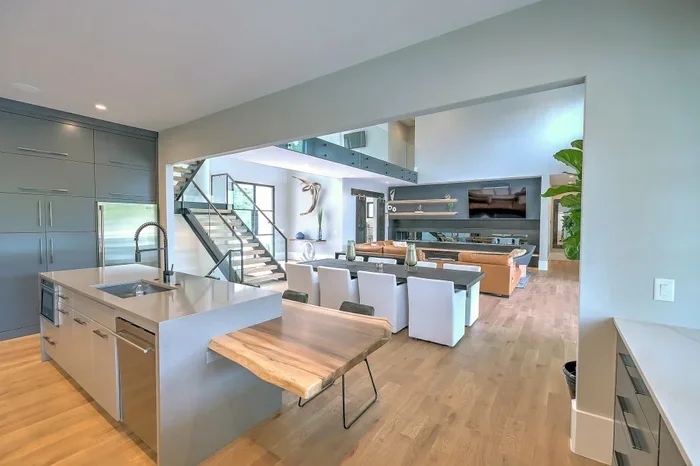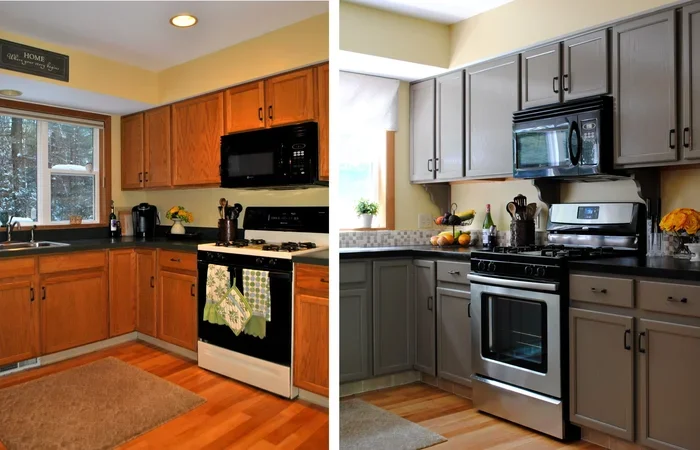


Kitchen sink countertop choices shape the entire look and feel of your kitchen. From quartz to butcher block, the right material boosts both beauty and daily function. This guide covers top materials, designs, and expert tips to help you pick the perfect kitchen sink countertop for your home.
Your kitchen sink countertop is one of the first things guests notice when they walk into your home. It sets the tone for the entire space. Whether you are remodeling a small apartment kitchen or a sprawling farmhouse, the right countertop makes all the difference. A great kitchen sink countertop combines style with everyday practicality. It needs to handle spills, hot pots, and constant use without showing wear.
Choosing the best kitchen sink countertop can feel overwhelming. There are so many materials, shapes, colors, and edge profiles to consider. That is exactly why we created this guide. We will walk you through the most popular options, help you compare materials, and share practical tips you can use right away. By the end, you will feel confident picking a kitchen sink countertop that fits your taste, budget, and lifestyle perfectly.
The kitchen sink countertop is more than just a flat surface above your sink. It is a workspace. It is a gathering spot. It is where you prep food, rinse dishes, and even set your morning coffee. A well-chosen kitchen sink countertop ties together your cabinets, backsplash, and flooring into one cohesive look. Let us dive into the ideas and insights that will help you make the best choice.
Key Takeaways
- Material matters most: quartz, granite, and butcher block each offer unique benefits for your kitchen sink countertop.
- Design choice affects function: undermount, drop-in, and integrated sinks pair differently with countertop materials.
- Budget-friendly options exist: laminate and solid surface countertops deliver great looks without breaking the bank.
- Proper installation prevents leaks: sealing, support, and edge profiles make a big difference in longevity.
- Trending styles change: waterfall edges, integrated sinks, and bold colors dominate modern kitchen sink countertop designs.
- Maintenance varies by material: knowing how to care for your countertop saves time and money long-term.
📑 Table of Contents
- Why Your Kitchen Sink Countertop Matters
- Best Kitchen Sink Countertop Materials
- Popular Kitchen Sink Countertop Designs
- How to Choose the Right Kitchen Sink Countertop
- Installation Tips for Kitchen Sink Countertops
- Common Mistakes to Avoid
- Maintenance Tips for Your Kitchen Sink Countertop
- Trends in Kitchen Sink Countertop Design for 2024
- Comparing Kitchen Sink Countertop Materials
- Expert Insights on Kitchen Sink Countertops
- Final Thoughts on Kitchen Sink Countertop Ideas
Why Your Kitchen Sink Countertop Matters
The kitchen sink countertop plays a huge role in both form and function. It is the horizontal surface that frames your sink and gives you room to work. A beautiful kitchen sink countertop elevates the entire room. It draws the eye and creates a sense of style before guests even notice your cabinets or lighting.
Functionally, your kitchen sink countertop takes a beating every single day. Hot pans, sharp knives, acidic juices, and heavy pots all land on this surface. That is why picking the right material and design is so important. A durable kitchen sink countertop saves you from constant repairs and replacements. It also makes your daily routine smoother and more enjoyable.
Beyond looks and durability, your kitchen sink countertop affects your home’s value. Buyers notice high-quality countertops. They appreciate a well-designed kitchen sink countertop area because it signals that the home has been cared for. If you plan to sell eventually, a stylish kitchen sink countertop is one of the best investments you can make.
How the Kitchen Sink Countertop Sets the Tone
Think of your kitchen sink countertop as the anchor of the room. It is usually the largest continuous surface in the kitchen. When you choose a bold color or unique texture, it becomes the focal point. A neutral-toned kitchen sink countertop gives you a clean, timeless backdrop for other design elements.
Your countertop also influences how light moves through the space. Polished surfaces like quartz or marble reflect light and make small kitchens feel bigger. Matte finishes absorb light and create a cozy, modern vibe. The kitchen sink countertop interacts with your backsplash, lighting, and hardware in ways that either harmonize or clash with the overall design.
Best Kitchen Sink Countertop Materials
The material you choose defines the look, feel, and performance of your kitchen sink countertop. Each option has its own strengths and weaknesses. Let us break down the most popular choices so you can find the best fit for your needs.
Quartz Kitchen Sink Countertop
Quartz is one of the most popular choices for a kitchen sink countertop today. It is engineered from natural quartz crystals mixed with resins and pigments. This creates a non-porous surface that resists stains, scratches, and bacteria. A quartz kitchen sink countertop requires very little maintenance. You simply wipe it with soap and water.
Quartz comes in thousands of designs. You can find patterns that mimic natural stone or bold, solid colors. This versatility makes it easy to match any kitchen style. The consistency of quartz also means fewer surprises. Unlike natural stone, quartz kitchen sink countertop slabs are manufactured to be uniform in color and pattern.
Granite Kitchen Sink Countertop
Granite brings natural beauty and incredible durability to a kitchen sink countertop. Each slab is unique, with swirling patterns and speckled colors that no two slabs share. A granite kitchen sink countertop adds timeless elegance and real estate value to your home.
Granite is heat-resistant, which means you can place hot pots directly on it without damage. However, granite is porous and needs to be sealed regularly. A sealed granite kitchen sink countertop resists spills and stains much better. If you love the look of natural stone but want something tougher, granite is a fantastic choice.
Butcher Block Kitchen Sink Countertop
Butcher block brings warmth and character to a kitchen sink countertop area. Made from strips of hardwood like maple, oak, or walnut, butcher block creates a cozy, inviting feel. Many homeowners love a butcher block kitchen sink countertop because it adds a rustic, farmhouse charm to any kitchen.
Butcher block does require more care than stone. You need to oil it periodically to keep it from drying out or cracking. It is also not ideal for areas directly next to the sink where water exposure is constant. However, a well-maintained butcher block kitchen sink countertop can last for decades and only looks better with age.
Marble Kitchen Sink Countertop
Marble is the epitome of luxury in a kitchen sink countertop design. Its veined patterns and cool, smooth surface create an elegant, high-end look. Many homeowners choose marble for a kitchen sink countertop because it instantly elevates the room’s style.
Marble is softer than granite and more prone to etching from acidic substances like lemon juice or vinegar. It also needs regular sealing. But if you are willing to put in the care, a marble kitchen sink countertop is absolutely stunning. It pairs beautifully with traditional and modern kitchen designs alike.
Laminate Kitchen Sink Countertop
Laminate is the budget-friendly champion of kitchen sink countertop materials. It is made from layers of resin-infused paper bonded to a particleboard core. A laminate kitchen sink countertop comes in virtually every color and pattern imaginable. You can even find laminate that mimics the look of granite or marble at a fraction of the cost.
Laminate is easy to clean and resistant to stains. However, it is more prone to chipping and water damage at the edges. A well-installed laminate kitchen sink countertop can last 15 to 20 years with proper care. It is a great option for renters or anyone working with a tight budget.
Concrete Kitchen Sink Countertop
Concrete offers a modern, industrial look that is gaining popularity in kitchen design. A concrete kitchen sink countertop can be custom-poured in any shape, size, or color. This gives you complete creative freedom. You can even embed sinks directly into the concrete for a seamless look.
Concrete is extremely durable and heat-resistant. It does need to be sealed to prevent staining and cracking over time. The weight of a concrete kitchen sink countertop also requires strong cabinet support. But for homeowners who want a truly unique, custom look, concrete is hard to beat.
Popular Kitchen Sink Countertop Designs
The design of your kitchen sink countertop matters just as much as the material. Different styles create different moods and serve different practical purposes. Let us explore the most popular designs you will see in kitchens today.
Undermount Kitchen Sink Countertop Style
An undermount sink is mounted underneath the kitchen sink countertop. This creates a seamless transition between the sink and the surface. There is no rim to catch debris or trap grime. An undermount kitchen sink countertop looks sleek and modern.
This style works best with solid surface materials like quartz, granite, and marble. The countertop must be properly supported around the sink cutout to prevent sagging over time. Undermount designs are easy to clean because you can wipe crumbs directly from the surface into the sink without obstruction.
Drop-In Kitchen Sink Countertop Style
A drop-in sink sits on top of the kitchen sink countertop. The rim of the sink rests on the surface, creating a visible seam. Drop-in sinks are easier to install and replace than undermount options. They also work with a wider range of countertop materials.
The downside is that the rim can collect crumbs and make cleaning slightly harder. However, many homeowners love the drop-in style because it is practical and affordable. A drop-in sink also allows you to change the sink without replacing the entire kitchen sink countertop.
Integrated Kitchen Sink Countertop Design
An integrated sink is carved directly into the kitchen sink countertop, creating one continuous surface. This design eliminates seams and joints entirely. Water and debris cannot collect in gaps between the sink and the countertop. It is the ultimate in clean, minimalist design.
Integrated kitchen sink countertop designs are most commonly found with solid surface materials like Corian or quartz. The installation process is more complex and requires a skilled fabricator. But the result is a stunning, seamless look that is easy to maintain and incredibly durable.
Farmhouse Kitchen Sink Countertop Style
The farmhouse style features a deep, wide apron-front sink paired with a sturdy kitchen sink countertop. This design evokes a warm, rustic charm that many homeowners find irresistible. A farmhouse kitchen sink countertop often uses butcher block, quartz, or natural stone to complement the traditional aesthetic.
The large apron sink on a farmhouse kitchen sink countertop becomes a statement piece. It is perfect for washing large pots and filling pitchers. Pair it with open shelving or subway tile backsplash for a complete farmhouse kitchen look.
Waterfall Kitchen Sink Countertop Edge
A waterfall edge is when the kitchen sink countertop material continues down the sides of an island or peninsula. This creates a dramatic, flowing look that is very popular in modern kitchen design. When paired with a kitchen sink countertop, the waterfall edge adds a touch of luxury and sophistication.
Waterfall edges work best with thick slabs of granite, quartz, or marble. The continuous flow of material from the top to the floor creates a polished, seamless appearance. It is a bold choice that makes a strong visual statement in any kitchen.
How to Choose the Right Kitchen Sink Countertop
With so many options available, choosing the right kitchen sink countertop can feel daunting. Here are the key factors to consider before making your final decision.
Consider Your Budget
Budget is often the first factor people consider. Laminate and solid surface options offer the most affordable kitchen sink countertop solutions. Granite and marble fall in the mid-range. Quartz and concrete can be pricier but offer excellent long-term value. Set a realistic budget for your kitchen sink countertop project and explore options within that range.
Think About Your Lifestyle
How you use your kitchen matters a lot. If you cook frequently and use heavy pots, you need a durable kitchen sink countertop that can handle the wear. If you have young children, a non-porous, easy-to-clean surface like quartz is ideal. For those who love entertaining, a stylish kitchen sink countertop becomes a conversation starter and functional workspace.
Match Your Kitchen Style
Your kitchen sink countertop should complement your overall kitchen design. Modern kitchens look great with sleek quartz or concrete. Traditional kitchens shine with marble or butcher block. Farmhouse kitchens pair beautifully with natural stone or wood countertops. Consider your cabinets, flooring, and backsplash when choosing your kitchen sink countertop material and color.
Evaluate Maintenance Requirements
Every kitchen sink countertop material has different care needs. Quartz requires almost no maintenance. Granite needs sealing once or twice a year. Butcher block needs regular oiling. Marble is high-maintenance and prone to etching. Be honest about how much time and effort you want to invest in maintaining your kitchen sink countertop before you decide.
Check the Thickness and Support
Countertop thickness affects both appearance and durability. Standard kitchen sink countertop slabs are 2 to 3 centimeters thick. Thicker slabs look more substantial and are less prone to cracking. Make sure your cabinets can support the weight of your chosen material, especially for heavier options like granite and concrete.
Think About Edge Profiles
The edge profile of your kitchen sink countertop adds a finishing touch that can change the entire feel of the space. Common profiles include bullnose, beveled, ogee, and mitered. A simple rounded edge suits traditional kitchens. A sharp, straight edge fits modern aesthetics. The edge profile also affects how easy it is to wipe crumbs into the sink.
Installation Tips for Kitchen Sink Countertops
Proper installation is critical to the performance and longevity of your kitchen sink countertop. Even the best material will underperform if installed incorrectly. Here are tips to ensure a successful installation.
Hire a Professional or DIY
Installing a kitchen sink countertop requires precision. The cutout for the sink must be exact. The countertop must be level and properly supported. While experienced DIYers can tackle laminate installations, stone and quartz kitchen sink countertop projects are best left to professionals. A skilled installer ensures a perfect fit and prevents costly mistakes.
Measure Twice, Cut Once
Accurate measurements are the foundation of a great kitchen sink countertop installation. Measure the length, width, and depth of your kitchen sink area carefully. Account for any backsplash thickness and cabinet irregularities. Even small measurement errors can lead to gaps, misaligned sinks, or uneven surfaces.
Seal and Protect
Natural stone kitchen sink countertop materials like granite and marble need to be sealed after installation. Sealing fills the pores and protects against stains and moisture. Reapply sealant every six to twelve months depending on usage. A well-sealed kitchen sink countertop stays looking beautiful for years.
Support the Sink Cutout Properly
The area around the sink cutout is the most vulnerable part of any kitchen sink countertop. Use support brackets or epoxy adhesive to reinforce the edges. This prevents sagging, cracking, and separation over time. Proper sink cutout support is especially important for undermount installations.
Common Mistakes to Avoid
Even the best kitchen sink countertop ideas can go wrong if you make common mistakes. Avoid these pitfalls to ensure your countertop looks great and performs well for years.
Choosing Style Over Function
It is easy to fall in love with a beautiful kitchen sink countertop material and forget about practicality. Marble looks gorgeous but etches easily. Butcher block adds warmth but absorbs water. Always balance style with how you actually use your kitchen on a daily basis.
Ignoring the Sink Type
Not all sinks work with all countertop materials. Undermount sinks require strong, rigid surfaces. Drop-in sinks are more versatile. Choosing the wrong sink type for your kitchen sink countertop can lead to leaks, poor aesthetics, and installation headaches.
Skipping the Sealant
Many homeowners forget to seal their natural stone kitchen sink countertop after installation. This leads to staining, moisture damage, and premature wear. Make sealing a regular part of your kitchen maintenance routine.
Underestimating Edge Thickness
Thin edges look delicate but are more prone to chipping and breakage. A thick edge adds durability and a substantial feel to your kitchen sink countertop. Consider the trade-off between aesthetics and practicality when selecting edge profiles.
Forgetting About the Backsplash
The backsplash and kitchen sink countertop should work together as a unified design. Clashing colors, materials, or styles create visual chaos. Plan your backsplash alongside your countertop choice for a cohesive, polished look.
Maintenance Tips for Your Kitchen Sink Countertop
Proper care keeps your kitchen sink countertop looking its best for years. Different materials need different care routines, but some general tips apply to all surfaces.
Always use cutting boards and trivets. Never place hot pots directly on laminate or marble surfaces. Clean spills promptly, especially acidic liquids like citrus juice or vinegar. Use gentle, non-abrasive cleaners. Avoid harsh chemicals that can damage the surface finish. With the right care, your kitchen sink countertop will stay beautiful and functional for decades.
For natural stone, reapply sealant according to the manufacturer’s recommendations. For butcher block, oil the surface regularly and sand out any deep scratches. For quartz and solid surface, a simple wipe-down with mild soap and water is usually all it takes. Knowing how to care for your specific kitchen sink countertop material makes all the difference.
Trends in Kitchen Sink Countertop Design for 2024
Kitchen design trends evolve constantly. Here are some of the hottest trends in kitchen sink countertop design for the current year.
Curved edges and organic shapes are replacing sharp, angular lines. Rounded kitchen sink countertop edges create a softer, more inviting feel. Bold colors like deep navy, forest green, and warm terracotta are replacing the classic whites and grays. Integrated sink and countertop combos continue to gain popularity for their seamless, minimalist look.
Two-tone countertops are trending hard. Homeowners pair a lighter kitchen sink countertop with darker cabinets or vice versa. Sustainable materials are also on the rise. Recycled glass, reclaimed wood, and eco-friendly quartz options appeal to environmentally conscious homeowners. These trends give you plenty of inspiration for a kitchen sink countertop that feels fresh and current.
Comparing Kitchen Sink Countertop Materials
Choosing the right material is the most important decision in your kitchen sink countertop project. Use this comparison to narrow down your options.
| Material | Durability | Maintenance | Cost | Best For |
|---|---|---|---|---|
| Quartz | Very High | Low | Mid to High | Busy families, low maintenance |
| Granite | High | Medium | Mid to High | Natural beauty, heat resistance |
| Butcher Block | Medium | High | Low to Mid | Rustic, farmhouse kitchens |
| Marble | Medium | High | High | Luxury, elegant aesthetics |
| Laminate | Medium | Low | Low | Budget-conscious projects |
| Concrete | Very High | Medium | High | Custom, modern designs |
This comparison table gives you a quick snapshot of each material’s strengths. Keep in mind that actual performance depends on installation quality and ongoing care. Visit showrooms and request samples before making your final kitchen sink countertop decision.
Expert Insights on Kitchen Sink Countertops
Interior designers and kitchen remodelers agree on a few key principles when it comes to kitchen sink countertop selection. First, always prioritize durability over trend. Trends come and go, but a well-made kitchen sink countertop lasts 15 to 30 years. Second, invest in proper installation. Even the most expensive material will disappoint if installed poorly.
Experts also recommend choosing a kitchen sink countertop that complements your overall design rather than competing with it. If your cabinets are bold and colorful, opt for a neutral kitchen sink countertop. If your kitchen is all white and minimalist, a textured or patterned countertop adds visual interest. The best kitchen sink countertop choices create harmony, not conflict, within the space.
Final Thoughts on Kitchen Sink Countertop Ideas
Your kitchen sink countertop is one of the most impactful decisions you will make in your kitchen. It affects everything from daily function to visual appeal to home value. Whether you choose quartz for its low maintenance, granite for its natural beauty, or butcher block for its warm character, the right kitchen sink countertop transforms your space completely.
Take your time exploring options. Gather samples. Compare materials. Think about how you actually use your kitchen every day. A well-chosen kitchen sink countertop brings beauty, durability, and joy to your home for many years to come. Start your kitchen sink countertop project today and enjoy the transformation it brings to your space.
Frequently Asked Questions
What is the most durable material for a kitchen sink countertop?
Quartz and granite are widely considered the most durable options for a kitchen sink countertop. Both resist scratches, stains, and heat very well. Quartz requires less maintenance since it is non-porous and does not need sealing. Granite offers natural beauty but benefits from regular sealing to maintain its strength.
How much does it cost to install a kitchen sink countertop?
Cost varies widely based on material and kitchen size. Laminate kitchen sink countertop installations start around $20 to $50 per square foot. Quartz and granite typically range from $50 to $150 per square foot. Concrete and marble can exceed $150 per square foot. Always get multiple quotes from reputable installers for accurate pricing.
Can I install a kitchen sink countertop myself?
DIY installation is possible for laminate and some solid surface materials. However, stone and quartz kitchen sink countertop installations require specialized tools and expertise. Improper installation can lead to cracks, leaks, and uneven surfaces. Hiring a professional ensures a clean, long-lasting result.
How often should I seal my kitchen sink countertop?
Sealing frequency depends on the material. Granite and marble kitchen sink countertops should be sealed every six to twelve months. Quartz does not need sealing because it is non-porous. Concrete countertops require sealing annually or more frequently depending on usage. Check the manufacturer’s guidelines for specific recommendations.
Which kitchen sink countertop material is best for a farmhouse style?
Butcher block and natural stone are the top choices for a farmhouse kitchen sink countertop. Butcher block adds warmth and rustic charm that complements apron-front sinks beautifully. Granite and marble also work well in farmhouse kitchens, especially when paired with subway tile and wooden accents.
What kitchen sink countertop edge profile is easiest to clean?
Simple edge profiles like bullnose and beveled edges are the easiest to clean. They have no intricate curves or crevices where grime can build up. A square edge also works well for a modern kitchen sink countertop look. Avoid ogee and detailed profiles if easy maintenance is a priority for you.
=== CONCLUSION ===
Choosing the perfect kitchen sink countertop is one of the most rewarding decisions you can make for your home. The right material, design, and installation transform your kitchen into a space that is both beautiful and functional. From quartz to butcher block, every option brings its own unique charm and practical benefits. Use the tips and ideas in this guide to confidently select a kitchen sink countertop that matches your style, fits your budget, and stands the test of time. Your dream kitchen sink countertop is closer than you think.