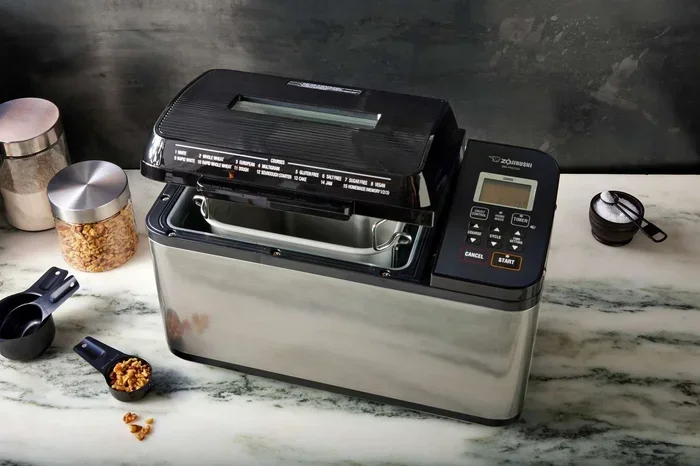

A kitchen in the box bread maker is a compact, all-in-one baking appliance that lets you make fresh bread at home with minimal effort. Our guide covers the top models, key features to consider, and practical tips for choosing the right machine. Whether you are a beginner or a seasoned baker, you will find everything you need to pick the perfect bread maker for your kitchen.
Key Takeaways
- All-in-one convenience: A kitchen in the box bread maker handles mixing, kneading, rising, and baking in a single machine.
- Multiple settings: Most modern models offer programmable cycles for different loaf sizes and bread types.
- Space-saving design: These compact units fit easily on any kitchen counter.
- Budget-friendly baking: Making bread at home saves money compared to store-bought options.
- Beginner-friendly: You do not need advanced baking skills to use a bread maker effectively.
- Versatile use: Many models also make dough for pastries, pizza, and jams.
- Read reviews carefully: Not all bread makers are equal, so comparing features matters.
📑 Table of Contents
- What Is a Kitchen in the Box Bread Maker?
- Top Features to Look For in a Bread Maker
- Best Kitchen in the Box Bread Maker Models
- How to Choose the Right Bread Maker for Your Kitchen
- Tips for Getting the Best Results from Your Bread Maker
- Common Mistakes to Avoid When Using a Bread Maker
- Why a Kitchen Bread Maker Is Worth It
- Frequently Asked Questions
- Conclusion
What Is a Kitchen in the Box Bread Maker?
A kitchen in the box bread maker is a countertop appliance designed to automate the entire bread-making process. It mixes ingredients, kneads the dough, lets it rise, and bakes a loaf of bread all by itself. You simply add your ingredients, select a program, and let the machine do the heavy lifting.
These machines have become incredibly popular in recent years. Home bakers love how easy they are to use. You can wake up to the smell of fresh baked bread without spending hours in the kitchen. It is one of the best kitchen appliances for anyone who loves homemade bread but does not have the time for traditional baking.
The concept is simple. You pour in flour, water, yeast, salt, and any extras you want. Then you press a button. The machine takes care of everything from start to finish. In a few hours, you have a warm, golden loaf ready to enjoy.
Many people also use their bread makers for more than just bread. You can make pizza dough, cinnamon rolls, and even jam. The versatility of these machines makes them a great addition to any kitchen. If you love baking but want something simple, a bread making machine is the way to go.
Top Features to Look For in a Bread Maker
Not all bread makers are created equal. When shopping for a kitchen in the box bread maker, certain features can make a big difference. Here is what you should look for before buying.
Loaf Size Options
Most bread makers offer at least two or three loaf size options. A 1-pound loaf is great for small families. A 2-pound loaf works well for larger households. Some models even offer a 1.5-pound option for perfect sandwich-sized slices. Choose a machine that fits your household size and baking needs.
Programmable Cycles
The best automatic bread maker models come with multiple programmable cycles. Look for settings like basic, whole wheat, French, sweet, and quick bread. Some advanced machines also include settings for gluten-free dough, jam, and cake. More cycles mean more versatility in your baking.
Delay Start Timer
A delay start timer is a must-have feature. It lets you load your ingredients at night and wake up to fresh bread in the morning. This feature is a game-changer for busy families who want homemade bread without the rush. Make sure the model you choose has at least a 13-hour delay timer.
Crust Color Control
Everyone has a different preference when it comes to crust color. Light, medium, or dark crust options let you customize your bread exactly how you like it. Some premium models even offer a custom crust setting for total control over the finish.
Non-Stick Baking Pan
A non-stick baking pan makes removal and cleanup a breeze. Look for models with durable, scratch-resistant pans. Avoid machines with pans that peel or scratch easily over time. A good pan will last the entire life of your bread maker.
Keep Warm Function
After baking is complete, the keep warm function maintains your bread at the perfect temperature. This is especially helpful if you are not ready to slice right away. Most machines keep bread warm for 30 to 60 minutes after baking finishes.
Best Kitchen in the Box Bread Maker Models
Choosing the right model can feel overwhelming with so many options on the market. Here are some of the top-rated bread makers that deliver excellent results.
Zojirushi BB-PAC20
The Zojirushi BB-PAC20 is a premium choice for serious home bakers. It features a 1.5-pound capacity and 10 different crust settings. The machine uses a unique kneading blade system that produces excellent dough consistency. Users love how reliable and consistent this model is. It is a bit pricey, but the quality is worth every penny.
Cuisinart CBK-200
The Cuisinart CBK-200 is a fantastic mid-range option. It offers a 2-pound capacity and 16 different baking settings. This machine can handle everything from basic white bread to artisan-style loaves. The dual kneading blades ensure even mixing throughout the dough. It is one of the most versatile bread baking appliances on the market.
Hamilton Beach 29880
For budget-conscious buyers, the Hamilton Beach 29880 is an excellent choice. It offers a 2-pound capacity and 12 baking programs at an affordable price point. The machine is simple to use and perfect for beginners. While it may not have all the bells and whistles of premium models, it delivers solid results every time.
Breville BTM800XL
The Breville BTM800XL is a high-end machine with a sleek design. It features a 2-pound capacity and a unique kneading system that mimics hand-kneading. The LCD display makes programming cycles easy and intuitive. This model is perfect for those who want a stylish, powerful home baking machine.
How to Choose the Right Bread Maker for Your Kitchen
Finding the perfect kitchen in the box bread maker depends on your specific needs and baking goals. Consider these factors before making your final decision.
Assess Your Baking Needs
Think about how often you plan to use the machine. If you bake daily, invest in a durable, feature-rich model. If you only bake occasionally, a basic machine will work just fine. Consider what types of bread you want to make. Whole wheat, gluten-free, and artisan loaves each require different kneading and baking patterns.
Check Your Counter Space
Bread makers are not small appliances. Measure your available counter space before purchasing. Most models are about 12 to 14 inches wide. Make sure you have enough room for the machine and easy access to the controls. A cramped kitchen can make using a bread maker frustrating.
Read User Reviews
Before buying any machine, read real user reviews. Look for feedback on durability, ease of use, and bread quality. Pay attention to common complaints. If multiple users report the same issue, that is a red flag. Trusted review sites and forums are great resources for honest opinions.
Compare Prices
Bread makers range from around $50 to over $300. Set a budget before shopping. More expensive does not always mean better. Focus on features that matter most to you. A mid-range machine often offers the best balance of quality and value.
Warranty and Customer Support
Check the warranty before purchasing. A good warranty protects your investment. Look for machines with at least a one-year warranty. Brands that offer responsive customer support make troubleshooting much easier. Read the fine print to understand what is covered.
Tips for Getting the Best Results from Your Bread Maker
Once you have your automatic bread maker, a few simple tips will help you get the best results every time.
Follow the Recipe Order
Always add ingredients in the order your machine recommends. Typically, liquids go in first, followed by dry ingredients, and yeast last. This order prevents the yeast from touching salt or sugar too early, which can kill the yeast and affect your rise.
Use Fresh Ingredients
Fresh yeast and flour make a huge difference in bread quality. Check expiration dates on yeast before using it. Store flour in an airtight container to keep it fresh. Using old or expired ingredients can lead to flat or dense loaves.
Measure Accurately
Baking is a science, and precise measurements matter. Use a kitchen scale for the most accurate results. If you use measuring cups, spoon the flour in and level it off. Packed flour can throw off your entire recipe and lead to poor results.
Experiment with Add-Ins
Once you master basic bread, start experimenting with add-ins. Nuts, seeds, cheese, and dried fruits all work wonderfully. Some machines have a signal beep to remind you to add extras at the right time. Try chocolate chip banana bread for a delicious treat your whole family will love. You can also make cinnamon swirl banana bread right in your bread maker for a warm, comforting breakfast.
Clean After Every Use
Clean your bread maker after every use. Residue buildup can affect future bakes and even damage the machine. Wash the baking pan and kneading blade with warm soapy water. Wipe down the interior with a damp cloth. Regular maintenance keeps your machine running smoothly for years.
Common Mistakes to Avoid When Using a Bread Maker
Even experienced bakers make mistakes. Here are some common pitfalls to watch out for when using your bread making machine.
Using the Wrong Yeast
Not all yeast is the same. Active dry yeast and instant yeast behave differently. Always use the type of yeast your recipe calls for. Using the wrong yeast can result in poor rise or off-flavors. Instant yeast is generally more forgiving and easier to work with.
Overfilling the Pan
It is tempting to fill the pan to the top, but this leads to overflow. Most machines have a MAX line inside the pan. Never exceed this line. Overfilling causes dough to spill into the heating element, creating a mess and potentially damaging your machine.
Skipping the Kneading Cycle
Some people try to skip or shorten the kneading cycle to save time. This is a big mistake. Proper kneading develops gluten, which gives bread its structure and texture. A shortened knead leads to dense, heavy loaves that are disappointing to eat.
Ignoring the Machine’s Manual
Every bread maker is different. The manual contains specific instructions for your model. Skipping the manual can lead to incorrect ingredient amounts, wrong cycle selections, and poor results. Take a few minutes to read it before your first bake.
Not Letting Bread Cool Properly
It is tempting to slice bread right out of the machine, but this is a mistake. Fresh bread needs time to cool and set its structure. Slice too early, and you end up with a gummy, sticky interior. Let your loaf cool for at least 15 to 20 minutes before slicing.
Why a Kitchen Bread Maker Is Worth It
Investing in a kitchen in the box bread maker pays off in many ways. The convenience alone is worth the price. You can bake fresh bread any day of the week without standing over a mixer for an hour.
Homemade bread is also healthier. Store-bought bread often contains preservatives, added sugars, and artificial ingredients. When you bake at home, you control every ingredient. You can use whole grain flour, reduce sugar, and avoid additives altogether.
The cost savings add up over time. A loaf of artisan bread from a bakery can cost $5 or more. Making bread at home costs a fraction of that. A bag of flour, some yeast, and a few other ingredients go a long way. Over months, the savings really add up.
There is also something deeply satisfying about pulling a warm loaf from your own machine. The aroma fills your kitchen and creates a sense of accomplishment. Sharing homemade bread with family and friends brings people together in a meaningful way. If you have ever dreamed of baking fresh bread at home, a bread baking appliance makes it possible every single day.
For those who love creative baking, you can even make fun treats like gluten-free monkey bread using your bread maker. The possibilities are truly endless when you have a reliable machine in your kitchen.
Frequently Asked Questions
What is the best kitchen in the box bread maker for beginners?
The Hamilton Beach 29880 and the Cuisinart CBK-200 are excellent choices for beginners. They are easy to use, affordable, and come with clear instructions. Both models offer multiple settings that help new bakers achieve great results without a steep learning curve.
Can a bread maker make dough for other recipes?
Yes, most bread makers have a dough-only cycle. This is perfect for making pizza dough, cinnamon rolls, and dinner rolls. You can use the dough and then bake it in the oven for different shapes and sizes. Try making cinnamon roll banana bread dough in your bread maker for a unique twist.
How long does it take to bake bread in a bread maker?
A basic cycle takes about 3 to 4 hours. Express cycles can be as short as 1 to 2 hours. Whole wheat and gluten-free cycles usually take longer because they require more kneading and rising time. Check your machine’s manual for specific cycle times.
Is it cheaper to bake bread at home with a bread maker?
Absolutely. The cost of ingredients for a homemade loaf is typically one-third to one-half the price of store-bought artisan bread. Over time, a bread maker pays for itself through savings. Plus, you get to enjoy fresher, healthier bread without any preservatives.
Can I make gluten-free bread in a bread maker?
Yes, many modern bread makers include a gluten-free cycle. These cycles adjust kneading and baking times for gluten-free flour blends. If you have dietary restrictions, look for a model with a dedicated gluten-free setting. You can also try flourless banana bread recipes that work well in a bread maker.
Do bread makers use a lot of electricity?
Bread makers are relatively energy-efficient. They use about the same amount of electricity as a coffee maker. A typical bake cycle uses around 0.5 to 1 kilowatt-hour of electricity. This makes them a cost-effective appliance for regular home baking.
Conclusion
A kitchen in the box bread maker is one of the most rewarding kitchen investments you can make. It brings the joy of fresh, homemade bread to your table with minimal effort. Whether you are a complete beginner or an experienced baker, there is a bread maker that fits your needs and budget.
Consider the features that matter most to you. Think about loaf size, cycle options, and ease of use. Read reviews, compare models, and choose a machine that aligns with your baking goals. The right bread maker will change the way you think about baking at home.
Start simple, experiment often, and enjoy the process. Fresh baked bread from your own machine is a feeling like no other. Share it with family, gift it to friends, or simply enjoy it with a pat of butter on a quiet morning. A bread maker is more than an appliance. It is a gateway to a healthier, happier, and more delicious way of baking.