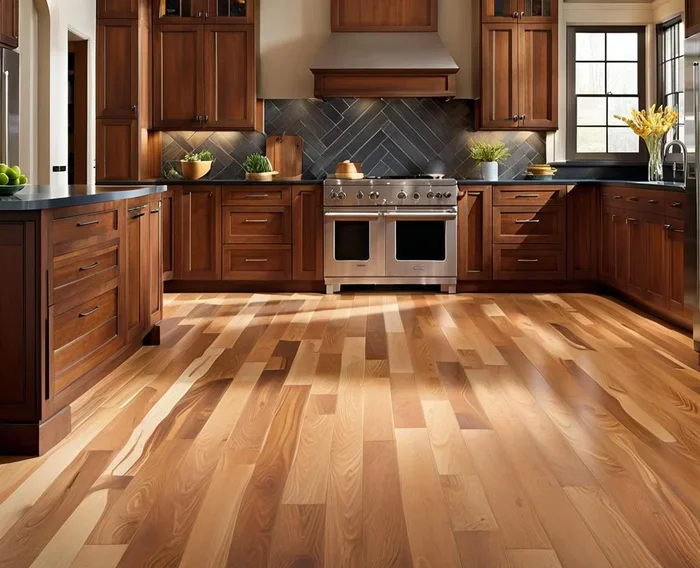

Yes, you can put hardwood in your kitchen, but it requires smart choices and proper care. Hardwood kitchen floors add timeless beauty and boost home value, yet they face unique challenges like moisture, spills, and heavy foot traffic. This guide covers everything from the best wood species and installation tips to maintenance and cost considerations.
Can you put hardwood in kitchen spaces? Absolutely. Hardwood floors in the kitchen have been a popular choice for decades, and for good reason. They bring warmth, elegance, and a classic charm that few other flooring materials can match. But putting wood floors in a kitchen is not as simple as laying them down and walking away. Kitchens are high-traffic zones full of moisture, spills, and temperature shifts. So you need to know what you are getting into before you commit.
This guide covers everything you need to know about installing hardwood flooring in the kitchen. We will walk through the best wood species, the pros and cons, installation methods, maintenance tips, costs, and common mistakes to avoid. Whether you are planning a full kitchen renovation or just updating your floors, this article has you covered.
Key Takeaways
- Hardwood works in kitchens: With the right wood species and finish, hardwood can be a beautiful and durable kitchen flooring choice.
- Engineered hardwood is often the better pick: It handles moisture and temperature changes better than solid hardwood in kitchen environments.
- Proper sealing and finishing are non-negotiable: A quality sealant protects your floors from water damage and stains.
- Regular maintenance keeps floors looking great: Simple habits like wiping spills quickly and using protective pads extend the life of your floors.
- Cost varies widely: Budget anywhere from $8 to $14 per square foot for materials and installation combined.
- Consider your lifestyle: If you cook often or have kids and pets, choose durable species like oak or hickory.
📑 Table of Contents
- Why Choose Hardwood for Your Kitchen Floor
- Hardwood vs. Other Kitchen Flooring Options
- Best Hardwood Species for Kitchens
- How to Install Hardwood in Your Kitchen
- Protecting Hardwood Kitchen Floors
- Common Mistakes to Avoid
- Cost Breakdown for Hardwood Kitchen Floors
- Expert Insights on Hardwood Kitchen Flooring
- Conclusion
Why Choose Hardwood for Your Kitchen Floor
Many homeowners love the idea of hardwood kitchen floors. And it is easy to see why. Wood floors bring a natural warmth to a space that tile or laminate simply cannot replicate. They also add significant value to your home. Buyers love the look and feel of real wood underfoot.
Aesthetic Appeal
Hardwood comes in a wide range of styles, colors, and grain patterns. Whether your kitchen has a rustic farmhouse feel or a sleek modern design, there is a wood species and finish that fits. Kitchen flooring ideas often feature hardwood because it complements virtually any decor. You can stain it dark for a dramatic look or keep it light and natural for a bright, airy feel.
Durability and Longevity
Properly maintained hardwood floors can last 50 to 100 years or more. That is a serious return on investment. Unlike carpet, which traps dust and allergens, hardwood is easy to clean and keeps your kitchen environment healthy. Over time, solid wood can be sanded and refinished multiple times, essentially giving you a brand-new floor whenever you want.
Increased Home Value
Real estate experts consistently rank hardwood floors as a desirable feature for home buyers. A kitchen renovation that includes hardwood flooring can boost your home’s resale value significantly. It signals quality and attention to detail. Even if you are not planning to sell anytime soon, you will enjoy the upgrade every day.
Hardwood vs. Other Kitchen Flooring Options
Before you decide, it helps to compare hardwood flooring in the kitchen with other popular options. Each material has its strengths and weaknesses.
| Feature | Hardwood | Tile | Laminate | Vinyl |
|---|---|---|---|---|
| Durability | Excellent (with care) | Very Good | Good | Very Good |
| Water Resistance | Low to Moderate | Excellent | Moderate | Excellent |
| Aesthetic Appeal | High | Moderate | Moderate | Moderate |
| Cost per Sq Ft | $8–$14 | $5–$15 | $3–$8 | $2–$8 |
| Lifespan | 50–100+ years | 20–50 years | 10–20 years | 10–20 years |
| Refinishing Possible | Yes | No | No | No |
| Comfort Underfoot | Good | Hard | Moderate | Moderate |
As you can see, hardwood shines in aesthetics and longevity. But it falls behind in water resistance compared to tile or vinyl. That is why choosing the right wood and finish matters so much for kitchen applications.
Best Hardwood Species for Kitchens
Not all wood is created equal when it comes to kitchen use. Some species handle moisture and wear better than others. Here are the top choices for hardwood kitchen flooring.
Oak
Oak is the most popular choice for kitchen flooring, and for good reason. It is a dense, durable hardwood that resists scratches and dents well. Red oak has a slightly warmer tone, while white oak is harder and more water-resistant. Oak is also widely available and affordable, making it a smart option for most budgets.
Maple
Maple is another excellent hardwood species for kitchens. It is very hard and has a tight, uniform grain that hides minor scratches. Maple resists moisture better than many other woods, though it still needs a quality sealant. Its light color gives kitchens a clean, fresh look.
Hickory
Hickory is one of the hardest domestic hardwoods available. It is incredibly durable and stands up well to heavy foot traffic. If you have kids, pets, or a busy household, hickory is a fantastic choice. It comes in a range of colors from pale blonde to rich dark brown.
Walnut
Walnut is a softer hardwood, but it makes up for it with stunning beauty. Its rich dark chocolate color adds a luxurious feel to any kitchen. Walnut is more prone to dents and scratches, so it works best in kitchens with lighter use. It is a premium choice for homeowners who want a statement floor.
Engineered Hardwood
Engineered hardwood is a layered product with a real wood veneer on top and plywood or high-density fiberboard underneath. This construction makes it much more stable and moisture-resistant than solid hardwood. For kitchens, engineered hardwood planks are often the smarter choice. They resist warping and swelling better, which is critical in a room where water is a constant presence.
How to Install Hardwood in Your Kitchen
Installing hardwood flooring in a kitchen is a project that requires careful planning and execution. You have two main options: hire a professional or go the DIY route.
DIY Installation
If you are handy and have experience with flooring projects, you can install hardwood yourself. Here are the basic steps:
- Prepare the subfloor. Make sure it is clean, flat, and dry. Any imperfections will show through your new floors.
- Acclimate the wood. Let your hardwood planks sit in the kitchen for at least 48 hours before installation. This helps them adjust to the room’s temperature and humidity.
- Choose your installation method. You can nail, staple, glue, or float the floors. Floating floors are the easiest for beginners.
- Start laying planks. Work from one wall to the other, leaving a small expansion gap around the edges.
- Finish the edges. Add baseboards and quarter round to cover the expansion gaps and give a polished look.
Professional Installation
For most homeowners, hiring a professional is the safest bet. A pro will ensure proper subfloor prep, correct spacing, and a flawless finish. Professional installation typically costs $3 to $5 per square foot on top of the material cost. Given that a kitchen can range from 100 to 250 square feet, the total installation cost can add up. But the peace of mind is well worth it.
Installation Tips for Kitchens
- Always leave an expansion gap around the perimeter. Wood expands and contracts with humidity changes.
- Use a moisture barrier or underlayment designed for kitchens.
- Avoid installing hardwood directly over concrete without a vapor barrier.
- Check the humidity levels in your kitchen before and during installation. Aim for 35% to 55% relative humidity.
Protecting Hardwood Kitchen Floors
The biggest enemy of hardwood kitchen floors is water. Kitchens are inherently wet environments with sinks, dishwashers, and occasional leaks. Protecting your floors is essential for long-term durability.
Sealing and Finishing
A high-quality wood floor sealant is your first line of defense. Polyurethane finishes are the most common and effective. They create a protective barrier that repels water and resists scratches. You can choose between oil-based and water-based finishes. Oil-based finishes offer a warmer tone and greater durability, while water-based finishes dry faster and have lower fumes.
Routine Maintenance
Keeping your hardwood floors in great shape is simpler than you might think. Here are some easy habits:
- Wipe spills immediately. Water sitting on wood can cause warping and staining. Grab a dry or slightly damp cloth and clean it up right away.
- Use doormats and rugs. Place a mat near the sink and in high-traffic areas to catch moisture and debris.
- Use felt pads on furniture legs. This prevents scratches when you move chairs or tables.
- Sweep or vacuum regularly. Dirt and grit act like sandpaper on wood floors over time.
- Avoid wet mopping. Use a damp mop with a wood-safe cleaner instead of soaking the floor.
Dealing with Scratches and Damage
Even with the best care, scratches happen. Minor scratches can be touched up with a matching wood marker or crayon. Deeper damage may require professional floor refinishing. The good news is that solid hardwood can be sanded down and refinished 3 to 5 times over its lifetime, which effectively resets the clock.
Common Mistakes to Avoid
Many homeowners run into trouble with hardwood flooring in the kitchen because of preventable mistakes. Here are the ones to watch out for.
Skipping the Moisture Barrier
This is the number one mistake people make. Without a proper moisture barrier, water from spills, humidity, and even steam can seep into the wood and cause swelling, warping, or buckling. Always use a vapor barrier or moisture-resistant underlayment.
Choosing the Wrong Wood Species
Not all woods are suitable for kitchens. Softwoods like pine dent and scratch easily. They also absorb moisture faster. Stick with hard, dense species like oak, maple, or hickory, or opt for engineered hardwood for better stability.
Ignoring Expansion Gaps
Wood expands and contracts with seasonal changes in humidity. If you install planks tight against the walls with no gap, they will push against each other and buckle. Always leave that expansion gap and cover it with baseboards.
Using the Wrong Cleaner
Harsh chemicals and excessive water will damage your finish over time. Stick to cleaners specifically formulated for hardwood floors. Avoid steam mops entirely, as the heat and moisture can penetrate the seams and cause damage.
Underestimating the Cost
Budgeting is important. Hardwood cost for kitchen installation typically runs between $8 and $14 per square foot for materials and labor. Premium species and complex installation patterns can push that higher. Always get multiple quotes and factor in the cost of refinishing down the road.
Cost Breakdown for Hardwood Kitchen Floors
Understanding the hardwood cost helps you plan your kitchen renovation budget. Here is a rough breakdown:
- Materials: $4 to $10 per square foot, depending on the species and grade.
- Installation: $3 to $5 per square foot for professional work.
- Finishing and Sealing: $1 to $3 per square foot if done separately.
- Total Estimated Cost: For a standard 150-square-foot kitchen, expect to pay between $1,200 and $2,700.
Engineered hardwood tends to be slightly less expensive than solid hardwood, and it offers better performance in moisture-prone areas like kitchens. If you are on a tighter budget, engineered hardwood planks deliver the look of real wood at a more affordable price point.
Expert Insights on Hardwood Kitchen Flooring
We spoke with flooring professionals to get their take on hardwood in the kitchen. Here is what they had to say.
“The biggest factor in kitchen hardwood success is moisture management,” says a veteran flooring installer with over 20 years of experience. “Homeowners who invest in a quality sealant and stay on top of spills rarely have problems. Those who ignore moisture are the ones who end up with warping and buckling.”
“Engineered hardwood has changed the game,” adds another expert. “It gives homeowners the beauty of real wood with the stability they need for a kitchen environment. I recommend it over solid wood for almost every kitchen project.”
“Maintenance is simpler than people think,” notes a third professional. “A quick wipe after cooking, a good sealant every few years, and you will have beautiful floors for decades.”
After all the hard work of a kitchen makeover, you can relax and enjoy a simple meal like egg in a bagel hole on your beautiful new floors, knowing they are protected and built to last.
Conclusion
The answer to can you put hardwood in kitchen spaces is a resounding yes. Hardwood brings timeless beauty, durability, and significant home value to your kitchen. But success comes down to choosing the right wood species, using proper installation techniques, and committing to regular maintenance.
Engineered hardwood is often the best choice for kitchens because of its superior moisture resistance. Solid hardwood works too, as long as you seal it well and stay on top of spills. Avoid common mistakes like skipping the moisture barrier, ignoring expansion gaps, and using the wrong cleaners.
Whether you are starting a full kitchen renovation or simply updating your floors, hardwood flooring in the kitchen is a decision you will not regret. With the right approach, your kitchen will look stunning for decades to come.
Frequently Asked Questions
Is hardwood a good choice for a kitchen floor?
Yes, hardwood is an excellent choice for kitchen floors when you select the right species and finish. Dense hardwoods like oak, maple, and hickory handle kitchen conditions well, especially when properly sealed and maintained.
What is the best hardwood for a kitchen?
Oak and maple are widely considered the best hardwoods for kitchens. They are durable, moisture-resistant, and affordable. Engineered hardwood is also a top pick because it offers better stability in humid kitchen environments.
How do I protect hardwood floors in the kitchen from water damage?
Apply a high-quality polyurethane sealant and reapply every few years. Wipe spills immediately, use doormats and rugs near the sink, and avoid wet mopping or steam cleaning. A moisture barrier under the floor also helps significantly.
Can you install hardwood kitchen floors yourself?
Yes, if you have experience with flooring projects. Floating engineered hardwood is the easiest DIY option. However, professional installation is recommended for solid hardwood to ensure proper subfloor prep and long-term performance.
How much does it cost to install hardwood in a kitchen?
The total cost typically ranges from $8 to $14 per square foot, including materials and labor. For a standard 150-square-foot kitchen, that is roughly $1,200 to $2,700. Engineered hardwood is usually slightly more affordable than solid hardwood.
How long do hardwood kitchen floors last?
With proper care, hardwood kitchen floors can last 50 to 100 years or more. Solid hardwood can be sanded and refinished several times during its lifespan, which essentially resets the floor and extends its beauty for generations.