
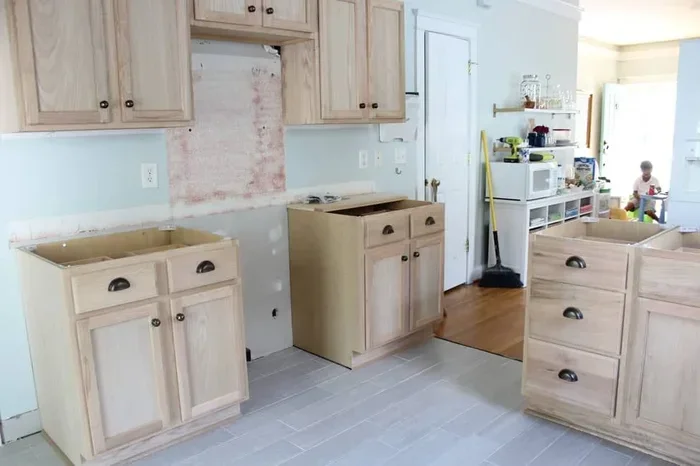

A kitchen remodel without appliances typically costs between $5,000 and $25,000, depending on the scope of work. You can save thousands by keeping your existing appliances and focusing on cabinets, countertops, flooring, and layout changes. This guide breaks down every cost factor so you can plan your kitchen renovation cost with confidence.
Key Takeaways
- Average Cost Range: A kitchen remodel without appliances usually runs from $5,000 to $25,000, with most homeowners spending around $12,000 to $18,000.
- Biggest Cost Drivers: Cabinet replacement, countertop upgrades, and flooring changes have the biggest impact on your budget.
- Labor vs. Materials: Labor typically accounts for 40% to 50% of the total cost, so DIY work can save you significant money.
- Budget-Friendly Options: Painting cabinets, updating hardware, and refreshing backsplash are low-cost ways to transform your space.
- Planning Matters: A clear layout plan and realistic budget prevent costly surprises and keep your project on track.
- Appliance-Free Focus: Removing appliances from the equation lets you invest more in structural and aesthetic upgrades.
📑 Table of Contents
- How Much Is a Kitchen Remodel Without Appliances Really?
- Breaking Down the Kitchen Remodel Cost Without Appliances
- Labor Costs for a Kitchen Remodel
- Affordable Ways to Transform Your Kitchen Without Appliances
- Factors That Influence Your Kitchen Remodel Cost
- Sample Budgets for a Kitchen Remodel Without Appliances
- Common Mistakes to Avoid in a Kitchen Remodel
- Expert Tips for Saving Money on Your Kitchen Remodel
- Final Thoughts on Kitchen Remodel Costs Without Appliances
How Much Is a Kitchen Remodel Without Appliances Really?
Planning a kitchen remodel is exciting. But when you remove appliances from the equation, the numbers change quite a bit. Many homeowners wonder, how much is a kitchen remodel without appliances really going to cost them. The truth is, it depends on several factors like layout changes, material choices, and whether you hire professionals or go the DIY route.
A kitchen renovation cost without appliances can range anywhere from $5,000 on the low end to $25,000 or more for a full gut job. Most homeowners land somewhere in the middle, around $12,000 to $18,000. The good news is that skipping appliances frees up a big chunk of your budget. You can pour that money into cabinetry, countertops, flooring, and other upgrades that really transform the room.
Whether you want a quick refresh or a complete overhaul, understanding the breakdown of costs helps you make smart decisions. Let us walk you through everything you need to know about budgeting for a budget kitchen remodel that skips the fridge, stove, and dishwasher.
Why Remove Appliances From Your Remodel Plan?
There are several reasons homeowners choose to remodel their kitchen without replacing appliances. Maybe your current appliances still work great. Maybe you are planning to upgrade them separately later. Or perhaps you want to keep costs down and focus on the structural and visual elements first.
Whatever the reason, removing appliances from the scope of work gives you more flexibility. You can invest in higher-quality cabinets or premium countertops instead. And you avoid the headache of coordinating appliance delivery and installation with the rest of the project.
Breaking Down the Kitchen Remodel Cost Without Appliances
Understanding where your money goes is the first step in creating a realistic remodel budget planning strategy. Let us break down the major cost categories for a kitchen renovation cost that excludes appliances.
Cabinet Costs
Cabinets are often the single biggest expense in any kitchen remodel. New cabinets can run anywhere from $4,000 to $20,000 depending on the material, style, and quantity. Stock cabinets are the most affordable option, typically costing between $100 and $300 per linear foot. Semi-custom cabinets fall in the $300 to $600 range per foot, while fully custom cabinets can exceed $1,000 per foot.
If replacing cabinets is too expensive, consider refacing them. Cabinet refacing costs between $1,500 and $5,000 and gives your kitchen a fresh new look without the full replacement price tag. Painting existing cabinets is another budget kitchen remodel trick that costs just a few hundred dollars but makes a huge visual impact.
Countertop Replacement Costs
Countertops are the centerpiece of any kitchen. The material you choose has a big impact on your overall kitchen renovation cost. Here is a quick look at popular options:
- Laminate: $20 to $50 per square foot. Affordable and easy to install.
- Granite: $40 to $100 per square foot. Natural stone with a premium look.
- Quartz: $50 to $120 per square foot. Durable and low maintenance.
- Butcher Block: $30 to $80 per square foot. Warm and inviting.
- Concrete: $60 to $150 per square foot. Custom and modern.
For a typical kitchen with 30 to 40 square feet of countertop space, you are looking at roughly $1,200 to $4,800 for laminate and $3,000 to $6,000 for quartz. These prices include materials and professional installation in most cases.
Flooring Costs
Kitchen flooring takes a beating. It gets spills, heavy foot traffic, and dropped pots. Updating your floor can range from $3 to $15 per square foot for budget options like luxury vinyl plank, all the way up to $25 per square foot for natural stone tile. For an average 100-square-foot kitchen, expect to pay between $300 and $2,500 for materials and installation.
Tile flooring is a popular choice because it is durable and comes in countless styles. Porcelain tile is especially tough and water-resistant, making it ideal for kitchen spaces. If you want a warmer feel, hardwood or engineered wood floors add a timeless touch.
Labor Costs for a Kitchen Remodel
Labor is a major piece of the puzzle when figuring out how much is a kitchen remodel without appliances going to cost. Most contractors charge between $50 and $100 per hour, and a full remodel can require 100 to 300 hours of labor. That translates to roughly $5,000 to $30,000 in labor costs alone.
Here is a rough breakdown of labor costs by task:
- Cabinet installation: $2,000 to $6,000
- Countertop installation: $500 to $2,000
- Flooring installation: $500 to $3,000
- Backsplash installation: $300 to $1,500
- Plumbing work: $500 to $2,500
- Electrical work: $300 to $1,500
Labor typically makes up 40% to 50% of the total project cost. One of the best ways to save money is to handle simple tasks yourself. Painting walls, installing backsplash tile, and updating cabinet hardware are all projects that most homeowners can tackle with basic tools and a weekend of effort.
DIY vs. Hiring a Professional
Deciding between DIY and hiring a pro is one of the biggest choices you will make. DIY work can slash your labor costs dramatically. But it requires time, skill, and patience. If you are comfortable with a drill and a level, you can handle cabinet installation, paint jobs, and hardware upgrades on your own.
For more complex work like plumbing and electrical, hiring a licensed professional is the safer route. Mistakes in these areas can lead to costly repairs down the road. A good rule of thumb is to DIY the cosmetic work and hire pros for the structural and technical jobs.
Affordable Ways to Transform Your Kitchen Without Appliances
You do not need to replace every single element in your kitchen to get a stunning result. Some of the most impactful upgrades are surprisingly affordable. Here are some ideas to refresh your space without breaking the bank.
Painting Your Kitchen Cabinets
A fresh coat of paint works wonders. Painting your cabinets costs between $200 and $600 for materials and can completely change the feel of your kitchen. Choose a color that complements your kitchen design ideas and ties into the rest of your home. White and soft gray are popular choices because they make spaces feel larger and brighter.
Updating Cabinet Hardware
New cabinet knobs and pulls are a tiny investment with a huge payoff. A set of quality hardware costs between $100 and $500, and it takes just a few hours to swap out. This simple change gives your kitchen a polished, updated look without any major renovation work.
Installing a New Backsplash
A backsplash protects your walls from splashes and adds visual interest to your kitchen. Subway tile is a classic choice that costs around $5 to $15 per square foot. For a more dramatic look, consider patterned tile or even a painted accent wall. If you love cooking and want to try something fun in your newly remodeled kitchen, you might even enjoy making a delicious egg in a bagel hole on your new countertops.
Backsplash installation is relatively simple and can be a great DIY project. You just need a tile saw, some adhesive, and grout. Many homeowners complete a full backsplash in a single weekend.
Swapping Out Kitchen Fixtures
Your faucet, sink, and lighting fixtures set the tone for the entire kitchen. Replacing an outdated faucet can cost between $200 and $800 installed. A new sink runs $100 to $500 for the fixture alone. And updating your lighting can range from $100 to $1,000 depending on the style and number of fixtures.
These small changes add up quickly. But they make a massive difference in how your kitchen looks and feels. Think of them as the finishing touches that pull the whole room together.
Refreshing Your Kitchen Layout
Sometimes the biggest upgrade comes from rearranging the layout. Moving your sink to a different wall or opening up the space between the kitchen and dining area can completely transform the room. Layout changes involve plumbing and electrical work, so they cost more than cosmetic updates. But they can make a small kitchen feel much more spacious and functional.
Factors That Influence Your Kitchen Remodel Cost
Not all kitchen remodels cost the same. Several factors can push your kitchen renovation cost higher or lower. Understanding these variables helps you set realistic expectations and avoid surprises.
Kitchen Size and Layout
Larger kitchens naturally cost more to remodel. More square footage means more materials and more labor hours. A galley kitchen might cost less to update than an L-shaped kitchen with an island simply because there is less surface area to cover. The complexity of your layout also matters. Moving walls, relocating plumbing, or changing electrical configurations adds significant cost.
Material Quality
The materials you choose are the biggest variable in your budget. Cheap laminate countertops and luxury vinyl flooring keep costs low. Premium granite and hardwood floors drive them up. You do not have to choose the most expensive option to get beautiful results. Mid-range materials often offer the best balance of quality and affordability.
Geographic Location
Where you live has a big impact on labor costs. Contractors in major cities charge more than those in rural areas. The cost of living in your region affects everything from hourly rates to material pricing. Always get quotes from local contractors to get an accurate picture of what your project will cost.
Permit Requirements
Some kitchen remodels require permits, especially if you are moving walls, relocating plumbing, or doing electrical work. Permit costs vary by municipality but typically range from $50 to $500. Failing to get the proper permits can result in fines and complications when you sell your home. Always check with your local building department before starting work.
Sample Budgets for a Kitchen Remodel Without Appliances
Numbers are easier to understand when you see them in context. Here are three sample budgets for a kitchen remodel without appliances at different price points.
| Budget Level | Total Cost Range | What Is Included |
|---|---|---|
| Basic Refresh | $5,000 – $8,000 | Paint cabinets, update hardware, new backsplash, fresh paint, light fixtures |
| Mid-Range Remodel | $8,000 – $18,000 | New countertops, cabinet refacing or replacement, flooring upgrade, backsplash, fixtures |
| Premium Remodel | $18,000 – $25,000+ | Full cabinet replacement, premium countertops, custom flooring, layout changes, high-end fixtures |
These numbers are estimates and can vary based on your location, material choices, and project scope. Always get at least three detailed quotes from licensed contractors before committing to a budget. This gives you a solid benchmark and helps you spot any unreasonable pricing.
Common Mistakes to Avoid in a Kitchen Remodel
Even the best-planned projects run into trouble. Here are some common mistakes homeowners make when budgeting for a kitchen renovation cost without appliances.
- Underestimating labor costs. Many people focus only on materials and forget that labor is often the bigger expense. Always budget for installation and professional fees.
- Skipping the permit process. Unpermitted work can cause serious problems when selling your home. It is not worth the risk.
- Choosing style over function. A beautiful kitchen that does not work for your daily routine will frustrate you fast. Prioritize functionality alongside aesthetics.
- Not planning for surprises. Old homes almost always have hidden issues behind the walls. Set aside 10% to 20% of your budget for unexpected discoveries like water damage or outdated wiring.
- Copying someone else’s design. Trends come and go. Design your kitchen around your own needs and lifestyle, not what you saw on social media.
Expert Tips for Saving Money on Your Kitchen Remodel
You do not have to spend a fortune to get a beautiful result. Here are some expert-backed tips to keep your budget kitchen remodel on track.
- Phase your project. Do not try to do everything at once. Spread the work over several months or even a year to manage costs.
- Shop sales and clearance. Countertop suppliers and flooring stores often have discounted remnants and overstock. You can save 20% to 40% by shopping smart.
- Reuse what you can. If your layout is staying the same, keep your existing plumbing and electrical hookups. This saves hundreds in labor and material costs.
- Negotiate with contractors. Get multiple bids and do not be afraid to negotiate. Many contractors are willing to adjust their pricing, especially for larger projects.
- Focus on high-impact areas. A fresh coat of paint, new hardware, and updated lighting deliver 80% of the visual impact at 20% of the cost of a full remodel.
After all your hard work and smart budgeting, you will love coming home to a beautifully updated kitchen. And when it is time to celebrate your new space, why not try your hand at a simple breakfast recipe? You can whip up a delicious egg in a bagel hole right in your newly renovated kitchen and enjoy the fruits of your labor.
For more kitchen inspiration, you might also enjoy learning about creative ways to use your new space. A well-planned kitchen renovation cost leaves room for both function and fun. Keep exploring ideas and make your kitchen truly yours.
Final Thoughts on Kitchen Remodel Costs Without Appliances
So, how much is a kitchen remodel without appliances really? The answer depends on your goals, your choices, and your budget. A basic refresh can run as low as $5,000, while a premium remodel can exceed $25,000. Most homeowners find a comfortable middle ground around $12,000 to $18,000.
The beauty of remodeling without appliances is the freedom it gives you. You can focus your money on the elements that matter most to you. Whether that is stunning countertops, beautiful cabinetry, or a completely new layout, the choice is yours.
Start with a clear plan, get multiple quotes, and always keep a buffer for unexpected costs. With the right approach, you can transform your kitchen into a space you love without draining your savings. Happy remodeling!
Frequently Asked Questions
What is the average cost of a kitchen remodel without appliances?
The average cost ranges from $12,000 to $18,000 for a mid-range remodel without appliances. This includes cabinets, countertops, flooring, backsplash, and labor. Basic refreshes can cost as little as $5,000, while premium remodels may exceed $25,000.
Can I save money by doing a kitchen remodel myself?
Yes, DIY work can significantly reduce your kitchen renovation cost by eliminating labor fees. Tasks like painting cabinets, installing hardware, and laying backsplash tile are manageable for most homeowners. However, leave plumbing and electrical work to licensed professionals for safety and code compliance.
How long does a kitchen remodel without appliances take?
A basic refresh typically takes 1 to 2 weeks. A mid-range remodel usually requires 3 to 5 weeks. A full kitchen gut with layout changes can take 6 to 10 weeks. The timeline depends on the scope of work, material availability, and contractor scheduling.
Which kitchen upgrade gives the best return on investment?
Cabinet refacing and countertop upgrades offer some of the best ROI for a budget kitchen remodel. Painting cabinets and updating hardware are also high-impact, low-cost improvements. According to industry reports, a minor kitchen remodel can recover 70% to 80% of its cost at resale.
Do I need permits for a kitchen remodel without appliances?
It depends on what work you are doing. Cosmetic updates like paint and hardware usually do not require permits. But if you are moving walls, relocating plumbing, or doing electrical work, permits are typically required. Check with your local building department to be sure.
What is the most affordable countertop option for a kitchen remodel?
Laminate is the most affordable countertop material, costing $20 to $50 per square foot. It is durable, easy to clean, and comes in many styles. For a budget-conscious kitchen remodel without appliances, laminate countertops deliver great value without sacrificing appearance.