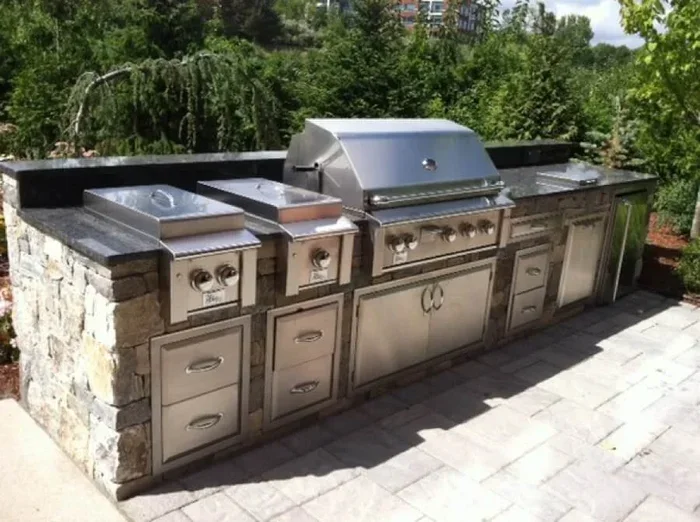

Outdoor kitchen panels are the secret to turning any backyard into a functional, beautiful cooking space. These panels come in many materials like WPC, composite, and PVC, each offering unique benefits for weather resistance and style. Whether you are upgrading a small grill station or building a full outdoor kitchen, the right panels make a huge difference. They protect your investment from the elements while boosting curb appeal and property value. This guide covers everything you need to know to pick and install the perfect panels for your outdoor kitchen.
Imagine stepping into your backyard and walking straight into a fully functional kitchen. The smell of grilled food fills the air. You have counter space, storage, and a beautiful backdrop that makes the whole area feel like a luxury resort. This is what outdoor kitchen panels can do for your home.
Outdoor kitchen panels are more than just walls. They are the foundation of your outdoor cooking and entertaining space. These panels create structure, protect your appliances, and give your kitchen that polished, finished look. Whether you are building from scratch or upgrading an existing setup, choosing the right panels is one of the most important decisions you will make.
In this guide, we will walk you through everything you need to know about outdoor kitchen panels. We will cover the different types of materials available, how to choose the best ones for your space, installation tips, maintenance advice, and design ideas that will make your outdoor kitchen the envy of the neighborhood. By the end, you will feel confident and ready to start your project.
Key Takeaways
- Material choice matters: WPC, composite, PVC, and natural stone panels each offer different durability, style, and price points for your outdoor kitchen.
- Weather resistance is key: Your outdoor kitchen panels must handle sun, rain, heat, and humidity without warping, fading, or deteriorating.
- Installation basics are simple: With the right tools and a solid plan, most homeowners can install outdoor kitchen panels themselves or hire a professional for precision.
- Maintenance is minimal: Quality panels require only basic cleaning and occasional inspections to stay looking great for years.
- Design flexibility is huge: Outdoor kitchen panels come in countless colors, textures, and styles to match any backyard aesthetic.
- Return on investment is real: A well-designed outdoor kitchen with premium panels can significantly increase your home’s resale value.
📑 Table of Contents
- Why Outdoor Kitchen Panels Matter
- Types of Outdoor Kitchen Panels
- Comparison Table: Best Panel Materials for Outdoor Kitchens
- How to Choose the Right Panels for Your Outdoor Kitchen
- Installation Tips for Outdoor Kitchen Panels
- Maintenance and Care for Outdoor Kitchen Panels
- Design Ideas to Transform Your Outdoor Space
- Common Mistakes to Avoid When Choosing Outdoor Kitchen Panels
- Expert Tips for a Stunning Outdoor Kitchen
- Conclusion
Why Outdoor Kitchen Panels Matter
Many homeowners focus on grills, countertops, and lighting when planning an outdoor kitchen. But the panels are what tie everything together. They create the walls, the backsplash, and the structure that gives your kitchen its shape and character.
Without proper panels, your outdoor kitchen is just a collection of appliances exposed to the elements. Rain, wind, sun, and humidity can cause serious damage over time. Outdoor kitchen panels act as a protective barrier, keeping your investment safe and looking great for years to come.
Beyond protection, panels also play a huge role in the overall aesthetic. They set the tone for the entire space. A well-chosen panel can make a small backyard feel spacious and modern. It can make a large outdoor area feel cozy and inviting. The right choice elevates your outdoor living experience in a way that few other upgrades can match.
Protection from the Elements
Outdoor kitchens face constant exposure to weather. UV rays from the sun can cause fading and cracking. Rain and moisture lead to mold, mildew, and wood rot. Temperature changes cause expansion and contraction that can warp cheaper materials.
High-quality weather-resistant panels are designed to handle all of these challenges. They are built with materials that resist moisture, UV damage, and temperature fluctuations. This means your outdoor kitchen stays looking new without requiring constant upkeep or expensive repairs.
Boosting Curb Appeal and Property Value
A beautiful outdoor kitchen is one of the top features that homebuyers look for today. According to real estate experts, outdoor living spaces can increase property values by 10 to 15 percent. The panels you choose play a big role in how appealing your kitchen looks to potential buyers.
When you invest in quality outdoor kitchen cabinets and wall panels, you are investing in your home’s future. A sleek, modern design with durable materials signals that the property has been well-maintained and thoughtfully upgraded. This is especially true in neighborhoods where outdoor entertaining is a way of life.
Types of Outdoor Kitchen Panels
Not all panels are created equal. Different materials offer different benefits in terms of durability, appearance, cost, and maintenance. Let us explore the most popular options for outdoor kitchen panels so you can find the one that fits your needs and budget.
WPC Panels (Wood-Plastic Composite)
WPC panels are made from a blend of wood fibers and plastic. They combine the natural look of wood with the durability of plastic. This makes them one of the most popular choices for exterior kitchen panels today.
WPC panels are highly resistant to moisture, which makes them ideal for outdoor use. They do not rot, warp, or attract termites like traditional wood. They also come in a wide range of colors and textures, so you can find one that matches your style perfectly.
Quick Tip: Look for WPC panels with a UV-resistant coating. This will prevent fading and keep your panels looking vibrant even after years of sun exposure.
Composite Panels
Composite panels are similar to WPC but often use a denser, more engineered core. They are extremely durable and can withstand harsh weather conditions without showing signs of wear. Many composite panels are also designed to mimic the look of natural stone, wood, or brick.
These panels are a great choice if you want a weatherproof kitchen cabinet option that looks premium without the high price tag of natural materials. Composite panels are also low maintenance. A simple wash with soap and water keeps them looking brand new.
PVC Panels
PVC panels are lightweight, affordable, and extremely resistant to moisture. They are a popular choice for budget-friendly outdoor kitchen renovation projects. PVC panels come in many styles, including ones that look like wood grain or stone.
The main advantage of PVC is its affordability. You can cover a large area without breaking the bank. However, PVC panels are not as rigid as composite or WPC options. In extreme heat, they can become slightly flexible, so installation in shaded areas or with proper ventilation is recommended.
Natural Stone Panels
For a luxurious, high-end look, nothing beats natural stone. Marble, granite, slate, and limestone panels create a stunning backdrop for any outdoor kitchen. They are incredibly durable and can last for decades with proper care.
Natural stone panels are heavier than other options, so your structure needs to be sturdy enough to support them. They also tend to be more expensive. But if you want a timeless, elegant look that truly transforms your space, stone is hard to beat.
Fiberglass Panels
Fiberglass panels are another solid option for outdoor kitchen panels. They are lightweight, strong, and can be molded into various shapes and textures. Fiberglass is highly resistant to weather, insects, and corrosion.
These panels are often used in coastal areas where salt air can damage other materials. They are also easy to clean and maintain. Fiberglass panels come in gel-coated finishes that resist fading and staining.
Comparison Table: Best Panel Materials for Outdoor Kitchens
| Material | Durability | Weather Resistance | Cost | Maintenance | Best For |
|---|---|---|---|---|---|
| WPC Panels | High | Excellent | Mid-Range | Low | All-around use, humid climates |
| Composite Panels | Very High | Excellent | Mid to High | Very Low | Premium look, long-term investment |
| PVC Panels | Moderate | Very Good | Low | Very Low | Budget-friendly projects |
| Natural Stone | Very High | Excellent | High | Moderate | Luxury designs, permanent installations |
| Fiberglass | High | Excellent | Mid-Range | Low | Coastal areas, custom shapes |
How to Choose the Right Panels for Your Outdoor Kitchen
Choosing the right panels for your outdoor kitchen design involves more than just picking a pretty color. You need to consider your climate, budget, maintenance preferences, and the overall style you want to achieve. Here are the key factors to keep in mind.
Consider Your Climate
Where you live plays a big role in which panels will work best. If you live in a humid coastal area, you need panels that resist moisture and salt air. WPC, composite, and fiberglass are excellent choices for these conditions.
If you live in a hot, dry climate, look for panels that resist UV damage and extreme heat. PVC panels can become soft in intense sun, so WPC or composite might be a better option. In cold climates, choose panels that can handle freeze-thaw cycles without cracking.
Set a Realistic Budget
Your budget will naturally narrow down your options. PVC panels are the most affordable and can work well for simple setups. WPC and composite panels offer a good balance of quality and cost. Natural stone panels are the most expensive but provide the most dramatic transformation.
Remember to factor in installation costs as well. Some panels are easier to install than others, which can save you money on labor. If you are doing a DIY outdoor kitchen upgrade, lightweight options like PVC or WPC panels are much easier to handle.
Match Your Home’s Style
Your outdoor kitchen should complement your home’s architecture and your backyard landscape. If your home has a modern design, sleek composite panels in neutral tones work beautifully. For a rustic or farmhouse-style home, WPC panels with a wood-grain finish create a warm, inviting look.
Think about your outdoor furniture, landscaping, and hardscaping too. The panels should flow seamlessly with the rest of your outdoor space. This creates a cohesive look that makes your entire backyard feel like an extension of your home.
Installation Tips for Outdoor Kitchen Panels
Installing outdoor kitchen panels is a rewarding project that can save you money and give you complete control over the final result. Whether you are a seasoned DIYer or a beginner, these tips will help you get professional-looking results.
Preparation Is Everything
Before you start installing, make sure your framework is solid. The posts, beams, and supports that hold your panels need to be sturdy and level. Use pressure-treated lumber or stainless steel for the frame to prevent rot and rust.
Measure your space carefully before purchasing panels. Account for any cutouts for grills, sinks, or appliances. It is always better to measure twice and cut once. A little extra planning upfront saves you headaches later.
Step-by-Step Installation Process
Follow these steps for a smooth installation:
- Build the frame: Construct the support structure using weather-resistant materials. Make sure it is level and square.
- Install the back panel: Start with the rear wall panel. This provides a solid base for the side panels. Use screws or clips designed for outdoor use.
- Attach side panels: Work from one side to the other. Leave small gaps between panels for expansion and drainage.
- Cut openings for appliances: Use a circular saw or jigsaw to create precise cutouts for your grill, sink, or refrigerator.
- Seal all edges: Apply waterproof sealant around cut edges and joints to prevent moisture intrusion.
- Add finishing touches: Install trim pieces and caps to give your panels a clean, polished look.
Common Installation Mistakes to Avoid
Even experienced DIYers can make mistakes when installing outdoor kitchen panels. One of the most common errors is not leaving enough space for expansion. Materials expand and contract with temperature changes, and tight panels can buckle or crack.
Another mistake is using the wrong fasteners. Regular steel screws will rust quickly in outdoor conditions. Always use stainless steel or coated screws designed for exterior use. Skipping waterproof sealant is also a frequent oversight that can lead to moisture damage over time.
Expert Insight: If you are new to DIY projects, consider installing a small section first to practice your technique. This builds confidence and helps you avoid costly mistakes on the main installation.
Maintenance and Care for Outdoor Kitchen Panels
One of the best things about modern outdoor kitchen panels is how easy they are to maintain. Unlike traditional wood, which requires staining and sealing every year, quality composite and WPC panels need very little effort to keep looking great.
Regular Cleaning Routine
Give your panels a gentle cleaning every few weeks. Use a soft brush or cloth with warm water and mild soap. This removes dirt, food splatter, and grime that can build up over time. For stubborn stains, a mixture of baking soda and water works wonders.
Avoid using harsh chemicals or abrasive scrubbers. These can damage the surface finish and cause fading over time. A soft sponge is all you need for most cleaning tasks.
Seasonal Inspections
Once a season, take a close look at your panels. Check for any cracks, loose fasteners, or areas where sealant may have worn away. Catching small issues early prevents them from becoming big, expensive problems later.
After heavy storms or severe weather, inspect your panels for any damage. Clear debris from around the base of your kitchen and make sure drainage paths are not blocked. A few minutes of attention each season goes a long way toward extending the life of your panels.
Quick Maintenance Tips
- Wipe down panels after cooking to prevent grease buildup.
- Keep plants and mulch away from the base to avoid moisture traps.
- Reapply sealant to any cut edges every 12 to 18 months.
- Use a cover or canopy during extended periods of non-use.
- Touch up any chipped or scratched areas with matching paint or sealant.
Design Ideas to Transform Your Outdoor Space
The beauty of outdoor kitchen panels is that they offer incredible design flexibility. You can create a sleek modern kitchen, a cozy rustic retreat, or a tropical-inspired entertaining area. Here are some ideas to spark your creativity.
Modern Minimalist
For a clean, contemporary look, choose panels in solid neutral tones like charcoal, slate gray, or matte black. Pair them with a simple kitchen island and stainless steel appliances. The result is a sophisticated outdoor kitchen that feels open, airy, and effortlessly stylish.
Rustic Farmhouse
WPC panels with a wood-grain finish create a warm, inviting atmosphere. Combine them with reclaimed wood countertops and copper fixtures. Add some string lights and potted herbs, and you have an outdoor kitchen that feels like a charming countryside retreat.
Tropical Paradise
Use panels in warm earth tones with natural stone accents. Add bamboo elements and lush greenery around the kitchen area. This style works beautifully in warm climates and creates a relaxing space that feels like a vacation every time you step outside.
Mediterranean Escape
Natural stone panels paired with terracotta accents and wrought iron details create a stunning Mediterranean-inspired kitchen. Add a pizza oven and a wine rack, and you have an outdoor entertaining space that rivals the villas of southern Italy.
Common Mistakes to Avoid When Choosing Outdoor Kitchen Panels
Avoiding common pitfalls can save you time, money, and frustration. Here are the mistakes most homeowners make when selecting panels for their outdoor kitchen.
Skipping weather ratings. Not all panels are rated for outdoor use. Always check the manufacturer’s specifications to ensure the panels can handle your local climate conditions. Using indoor-rated panels outdoors is a recipe for premature failure.
Ignoring expansion gaps. Materials expand and contract with temperature changes. Installing panels too tightly without allowing for movement leads to warping, buckling, and cracking. Always follow the manufacturer’s recommended spacing guidelines.
Choosing style over durability. It is tempting to pick panels based on looks alone. But if the material cannot withstand your local weather, you will be replacing them sooner than you think. Balance aesthetics with practicality for the best long-term results.
Underestimating the total cost. Panels are just one part of the equation. Factor in the cost of framing, fasteners, sealant, and any custom cutouts. A detailed budget before you start prevents unpleasant surprises along the way.
Neglecting ventilation. Outdoor kitchens need proper airflow to prevent moisture buildup and heat damage. Make sure your panel design includes vents or gaps that allow air to circulate freely around appliances and storage areas.
Expert Tips for a Stunning Outdoor Kitchen
Creating the perfect outdoor kitchen takes more than just picking the right panels. Here are some expert insights that will help you get the best results.
Start with a focal point. Decide what the centerpiece of your kitchen will be. Is it a built-in grill? A stone pizza oven? A sleek sink station? Design your panels around this focal point to create a cohesive, intentional look.
Think about lighting. LED strip lights installed behind panels create a beautiful ambient glow. They also make your outdoor kitchen usable well into the evening. Choose warm white lights for a cozy atmosphere or cool white for a modern feel.
Plan for storage. The best outdoor kitchens have plenty of hidden storage. Use panels to create cabinets and shelves that keep your grilling tools, plates, and supplies organized and out of sight. This keeps your space looking clean and clutter-free.
Add personal touches. Consider incorporating decorative elements like mosaic tile accents, custom metalwork, or built-in planters. These small details make your outdoor kitchen feel uniquely yours and add character that sets it apart from standard designs.
Invest in quality over quantity. It is better to invest in fewer, higher-quality panels than to cover a large area with cheap materials. Premium panels last longer, look better, and require less maintenance. Over time, they actually save you money because you will not need to replace them as often.
Consider future needs. Think about how you might expand your outdoor kitchen in the future. Leave space for additional cabinets, a bar area, or a second cooking station. Planning ahead means less disruption and fewer costs down the road.
Conclusion
Outdoor kitchen panels are one of the most impactful upgrades you can make to your home. They protect your investment, enhance your outdoor living space, and add significant value to your property. Whether you choose WPC, composite, PVC, natural stone, or fiberglass, the right panels will transform your backyard into a functional, beautiful space for cooking and entertaining.
Take the time to research your options, consider your climate and budget, and plan your installation carefully. With the right approach, your outdoor kitchen will be a source of joy and pride for years to come. Start your outdoor kitchen upgrade today and experience the incredible difference that quality panels can make.
Frequently Asked Questions
What are the best outdoor kitchen panels for humid climates?
WPC panels and composite panels are the best choices for humid climates. They are highly resistant to moisture and will not warp, rot, or grow mold even in damp conditions. Fiberglass panels are also an excellent option for coastal or high-humidity areas.
Can I install outdoor kitchen panels myself?
Yes, many homeowners successfully install outdoor kitchen panels as a DIY project. Lightweight options like WPC and PVC panels are the easiest to work with. However, if you are not comfortable with basic construction tasks, hiring a professional ensures a clean, secure installation.
How long do outdoor kitchen panels last?
Quality outdoor kitchen panels can last anywhere from 15 to 30 years or more, depending on the material and how well they are maintained. WPC and composite panels tend to have the longest lifespan with minimal upkeep. Natural stone panels can last for decades with proper care.
Are outdoor kitchen panels expensive?
The cost varies widely based on the material you choose. PVC panels are the most affordable option, while natural stone panels are the most expensive. WPC and composite panels offer a great balance of quality and cost, making them a popular choice for most homeowners.
Do outdoor kitchen panels require a lot of maintenance?
No, modern outdoor kitchen panels are designed to be low maintenance. Most materials only require occasional cleaning with soap and water. Natural stone panels may need periodic sealing, but composite and WPC panels need very little effort to stay looking great.
Can outdoor kitchen panels be painted or stained?
This depends on the material. PVC and WPC panels can sometimes be painted with exterior-grade paint, but it is important to check the manufacturer’s recommendations first. Composite and natural stone panels generally should not be painted, as it can affect their durability and appearance.