
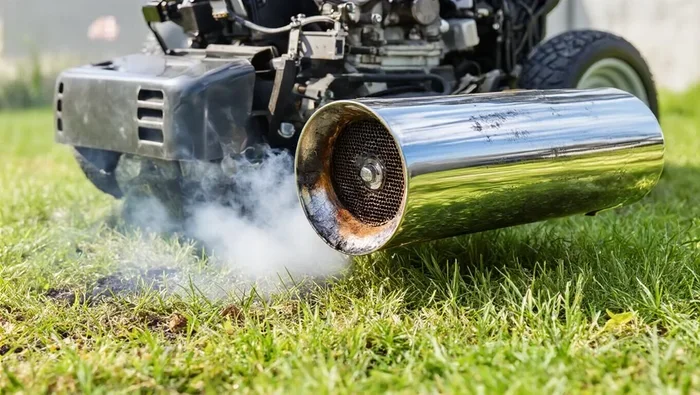

A lawn mower backfire when starting is usually caused by fuel, air, or spark problems in the engine. Common culprits include a clogged carburetor, bad spark plug, or incorrect fuel-to-air mixture. In this guide, we walk you through every possible reason and show you exactly how to fix it yourself.
There is nothing more frustrating than pulling the starter cord on your mower, hearing a loud bang from the engine, and watching smoke pour out. A lawn mower backfire when starting is a clear sign that something is wrong with how your engine is burning fuel. It can happen for many different reasons, and the good news is that most of them are easy to fix at home.
In this article, we are going to break down every possible cause of engine backfire during startup. We will look at fuel system problems, air supply issues, spark plug failures, and even mechanical wear and tear. By the end, you will know exactly what is causing the problem and how to stop it for good.
Let us get into it. Your mower deserves better than a loud bang every time you try to start it.
Key Takeaways
- Backfiring happens when combustion occurs outside the engine cylinder, often due to fuel, air, or ignition issues.
- A dirty carburetor or clogged fuel filter is one of the most common reasons a lawn mower backfires when starting.
- Worn or fouled spark plugs can cause weak sparks that lead to engine misfires and backfires.
- Old or stale fuel breaks down over time and creates deposits that disrupt proper engine combustion.
- Air filter blockages starve the engine of oxygen, throwing off the fuel-to-air ratio and causing backfire.
- Exhaust system leaks or damaged valves can also trigger backfiring during startup.
- Regular maintenance including cleaning, part replacement, and using fresh fuel prevents most backfire issues.
📑 Table of Contents
- What Does It Mean When Your Lawn Mower Backfires?
- Common Reasons Your Lawn Mower Backfires When Starting
- How Fuel Problems Cause Backfiring in Your Mower
- Air and Spark Issues That Lead to Backfire
- Exhaust and Engine Mechanical Problems
- How to Fix and Prevent Lawn Mower Backfire
- When to Call a Professional
- Key Takeaways
- Conclusion
What Does It Mean When Your Lawn Mower Backfires?
Before we dive into the causes, let us understand what backfiring actually means. A lawn mower backfire when starting happens when the fuel-air mixture ignites at the wrong time or in the wrong place. Instead of burning cleanly inside the combustion chamber, the explosion escapes through the exhaust or intake system.
This creates that loud popping or banging sound you hear. Sometimes you will also see a small flame shoot out of the muffler or air intake. The smoke might be black or white depending on the cause.
Backfiring is not just annoying. It can also damage your engine over time if you ignore it. The shock waves from the uncontrolled combustion can harm sensitive components like the muffler, exhaust valves, and even the engine block itself.
Think of it this way. Your engine is like a carefully timed orchestra. Every part needs to fire at exactly the right moment. When one instrument is off beat, the whole performance suffers. That is exactly what happens when your engine backfires.
Common Reasons Your Lawn Mower Backfires When Starting
Now let us look at the most common reasons your engine backfire when starting occurs. These issues fall into a few main categories: fuel problems, air problems, ignition problems, and mechanical issues.
Fuel System Problems
The fuel system delivers gasoline to the engine in the right amount at the right time. When something goes wrong here, the combustion process gets disrupted. This is the number one cause of backfiring in most mowers.
Old or stale fuel is a huge culprit. Gasoline starts to break down after about 30 days. The volatile compounds evaporate, leaving behind a thicker, gummy residue. This residue clogs up the carburetor jets and fuel lines, creating an uneven fuel mixture that leads to backfire.
A dirty carburetor is another major player. The carburetor mixes air and fuel in the perfect ratio before it enters the engine. When the jets get clogged with varnish or debris, the mixture becomes too rich or too lean. Both conditions can cause your lawn mower backfire when starting.
Also check your fuel filter. A clogged fuel filter restricts fuel flow to the carburetor. This creates a lean condition where there is not enough fuel mixed with air. The engine struggles to start and often backfires in the process.
Air Supply Issues
Your engine needs the right balance of fuel and air to run properly. Too much air and the mixture becomes too lean. Too little air and it becomes too rich. Either extreme can trigger backfiring.
The air filter is the first place to look. A dirty or clogged air filter restricts airflow into the engine. This throws off the fuel-to-air ratio and causes incomplete combustion. The unburned fuel then ignites in the exhaust system, creating that familiar backfire sound.
Make it a habit to check your air filter before every mowing season. If it looks dark and clogged, replace it. It is a cheap part that makes a huge difference in engine performance.
The carburetor adjustment screw also plays a role here. If someone previously adjusted it incorrectly or if it has vibrated loose over time, the air-fuel mixture will be off. A simple adjustment can often solve the problem.
Ignition System Failures
The ignition system creates the spark that ignites the fuel-air mixture. When this system fails, the combustion process becomes erratic. Weak or mistimed sparks are a leading cause of engine backfire during startup.
Your spark plug is the most important ignition component. Over time, spark plugs wear out. The electrode erodes, carbon builds up on the tip, and the gap widens. A worn spark plug produces a weak spark that fails to ignite the fuel properly. The unburned fuel then explodes in the exhaust or intake, causing a backfire.
Check your spark plug at least once a year. Look for black deposits, a worn electrode, or a cracked ceramic insulator. If you see any of these signs, replace the spark plug immediately. It is one of the cheapest and easiest maintenance tasks you can do.
The ignition coil is another component to consider. The coil transforms the battery voltage into the high voltage needed to create a spark. A failing coil may produce inconsistent sparks that lead to misfires and backfires. If your spark plug looks fine but you still experience backfiring, the ignition coil could be the problem.
The spark plug wire and connections matter too. A damaged wire or loose connection can interrupt the electrical current. This creates timing irregularities that cause the engine to backfire. Always check that all connections are secure and the wire is intact.
How Fuel Problems Cause Backfiring in Your Mower
Fuel-related issues deserve a closer look because they are so common. Let us break down the specific ways fuel problems lead to lawn mower backfire when starting.
First, let us talk about ethanol-blended fuels. Most gasoline sold today contains 10% ethanol (E10). While this is fine for cars, it can cause problems in small engines like those in lawn mowers. Ethanol attracts moisture from the air. Over time, this moisture separates from the fuel and causes corrosion in the fuel system. It also creates a gummy substance that clogs carburetor passages.
Using fuel that is more than 30 days old significantly increases the risk of backfiring. The ethanol absorbs moisture, the fuel separates, and the remaining mixture burns poorly. This is especially common if you leave fuel in the mower over winter.
Here is a quick checklist for fuel-related backfire prevention:
- Always use fresh gasoline. Buy only as much fuel as you will use within 30 days.
- Use fuel stabilizer if you plan to store the mower for more than two weeks.
- Drain old fuel from the tank and carburetor before storing the mower for winter.
- Consider using ethanol-free gasoline for small engines. It lasts longer and causes fewer problems.
- Check the fuel lines for cracks or blockages regularly.
The fuel shutoff valve is another component people often overlook. If the valve is partially closed or malfunctioning, it restricts fuel flow. This creates a lean mixture that causes the engine to backfire during startup. Make sure the valve is fully open when you start mowing.
Air and Spark Issues That Lead to Backfire
Getting the air and spark right is critical for smooth engine operation. Let us examine these two areas in more detail.
Air Filter Maintenance
Your air filter protects the engine from dust, grass clippings, and debris. But when the filter becomes too clogged, it does more harm than good. Restricted airflow starves the engine of oxygen, creating a rich fuel mixture that burns poorly.
For foam air filters, you can wash them with soap and water, let them dry completely, and then oil them. For paper air filters, replacement is usually the best option. You cannot clean paper filters effectively, and trying to do so can damage them.
As a general rule, inspect your air filter every time you refill the gas tank. During heavy use in peak mowing season, you may need to clean or replace it more frequently. A clean air filter is one of the simplest ways to prevent engine backfire when starting.
Spark Plug and Ignition Timing
The spark plug gap is crucial for proper ignition. If the gap is too wide, the spark will be weak. If it is too narrow, the spark may not be strong enough to ignite the fuel-air mixture consistently. Either situation can lead to incomplete combustion and subsequent backfiring.
Check your mower manual for the correct spark plug gap specification. It is usually between 0.020 and 0.030 inches. Use a feeler gauge to check and adjust the gap as needed. This takes less than five minutes and can solve a surprising number of starting problems.
Ignition timing refers to when the spark occurs during the engine cycle. If the timing is off, the spark may fire too early or too late. This throws off the entire combustion process and can cause backfiring. On most small mower engines, the ignition timing is set at the factory and does not need adjustment. But if the engine has been disassembled or if you replaced the flywheel, the timing may have shifted.
Exhaust and Engine Mechanical Problems
Sometimes the cause of backfiring lies deeper in the engine or exhaust system. These mechanical issues require a bit more investigation but are still fixable.
A leaking exhaust gasket is one such problem. When the gasket that seals the exhaust port deteriorates, exhaust gases can escape before they should. This creates a backpressure imbalance that disrupts the normal engine cycle and causes backfiring. You might also notice a hissing sound or smell exhaust fumes near the engine.
Valve problems can also trigger backfire. The intake and exhaust valves open and close at precise moments to let air in and exhaust out. If a valve becomes bent, worn, or improperly adjusted, it will not seal correctly. This leads to poor compression, incomplete combustion, and backfiring.
Compression issues are another mechanical cause. If the piston rings are worn or the cylinder head gasket is leaking, compression drops. Low compression means the fuel-air mixture does not burn efficiently. Unburned fuel enters the exhaust system and ignites there, causing a backfire.
Here is a quick comparison of mechanical issues that cause backfiring:
| Problem | Symptoms | Common Fix |
|---|---|---|
| Leaking exhaust gasket | Hissing sound, exhaust smell, backfire on startup | Replace exhaust gasket |
| Worn valve seals | Oil consumption, poor compression, backfire | Replace valve seals |
| Low compression | Hard starting, weak power, backfire | Rebuild or replace engine |
| Bent valves | Misfiring, backfire, loss of power | Valve replacement or repair |
These mechanical issues are less common than fuel or ignition problems, but they are still important to consider. If you have checked the fuel system, air filter, and spark plug without success, it is time to look deeper into the engine internals.
How to Fix and Prevent Lawn Mower Backfire
Now that you know the causes, let us talk about how to fix and prevent lawn mower backfire when starting. Prevention is always better than repair, and regular maintenance will keep your mower running smoothly for years.
Start with the basics. Use fresh fuel mixed with stabilizer. Replace the spark plug annually. Clean or replace the air filter every season. Check the fuel lines and filter for blockages. These simple steps will prevent the vast majority of backfire issues.
If your mower is already backfiring, follow this troubleshooting sequence:
- Check the fuel. Drain old gas and refill with fresh fuel.
- Inspect the spark plug. Clean or replace it if needed.
- Remove and clean the air filter.
- Check the carburetor for clogs. Clean the jets with carburetor cleaner.
- Inspect the fuel filter and replace if dirty.
- Look at the exhaust system for leaks or blockages.
- If the problem persists, check the valves and compression.
Following this step-by-step approach will help you identify the root cause efficiently. Most of the time, the fix is something simple like replacing the spark plug or cleaning the carburetor.
Do not ignore the problem. A mower that backfires will eventually develop more serious issues if left unaddressed. The unburned fuel can contaminate the oil, damage the exhaust system, and even harm the catalytic converter on mowers equipped with one. Early intervention saves you money and extends the life of your machine.
When to Call a Professional
Most backfiring issues are within the scope of DIY repair. But there are times when calling a professional makes sense. If you have gone through the troubleshooting steps and the backfiring continues, you may be dealing with an internal engine problem that requires specialized tools and expertise.
Compression testing, valve adjustment, and internal engine repairs are best left to experienced small engine mechanics. They have the diagnostic equipment and technical knowledge to identify problems that are not visible on the surface.
Also consider professional help if your mower is old and the repair costs approach the value of a new machine. Sometimes it makes more financial sense to invest in a new mower than to pour money into an aging one. But for most cases, a simple fix will get you back to mowing in no time.
Before calling a pro, make sure you have done the basic maintenance checks. This shows the technician that you have already put in effort and can help reduce diagnostic costs. Most repair shops appreciate a customer who has done their homework.
Key Takeaways
- A lawn mower backfire when starting is most often caused by fuel, air, or spark problems in the engine’s combustion process.
- A dirty carburetor or clogged fuel filter disrupts the fuel mixture and is one of the top reasons for backfiring.
- Worn spark plugs create weak sparks that lead to incomplete combustion and engine misfires during startup.
- Old or stale fuel breaks down over time, creating deposits that clog the fuel system and cause backfire.
- A clogged air filter restricts airflow, throwing off the fuel-to-air ratio and triggering backfiring.
- Exhaust leaks, valve problems, and low compression are mechanical issues that can also cause your mower to backfire.
- Regular maintenance including fresh fuel, new spark plugs, and clean filters prevents most backfire problems before they start.
Frequently Asked Questions
Why does my lawn mower backfire when I start it?
Your lawn mower backfires when starting because the fuel-air mixture is igniting at the wrong time or in the wrong location. This usually happens due to fuel system issues, a dirty carburetor, worn spark plugs, or an incorrect fuel-to-air ratio. The unburned fuel explodes in the exhaust or intake system instead of inside the combustion chamber, creating the loud popping sound.
Can bad fuel cause a lawn mower to backfire?
Yes, bad fuel is one of the most common causes of engine backfire when starting. Old gasoline loses its volatile compounds over time, leaving behind a thick residue that clogs the carburetor. Ethanol-blended fuels also attract moisture, which disrupts combustion. Always use fresh fuel and add stabilizer if you store the mower for more than two weeks.
How do I stop my lawn mower from backfiring?
To stop your lawn mower from backfiring, start by checking the fuel, spark plug, and air filter. Replace old fuel with fresh gasoline, clean or replace the spark plug, and inspect the air filter for clogs. If those steps do not work, clean the carburetor and check the fuel lines for blockages. Regular maintenance is the best way to prevent backfiring from happening in the first place.
Is a backfiring lawn mower dangerous?
While a backfiring mower is not usually dangerous in the immediate sense, it can cause damage over time. The uncontrolled explosions can harm the exhaust system, muffler, and even the engine internals. Backfiring can also indicate a rich fuel mixture that wastes gas and produces excess smoke. It is best to address the issue promptly to avoid costly repairs down the road.
What should I do if cleaning the carburetor does not fix the backfire?
If cleaning the carburetor does not resolve the backfiring issue, move on to checking the spark plug, ignition coil, and air filter. Inspect the fuel lines and filter for blockages. If all of these components are in good shape, the problem may be mechanical, such as valve issues or low compression. At that point, it is wise to consult a small engine professional for a thorough diagnosis.
How often should I maintain my mower to prevent backfiring?
You should perform basic maintenance at the start of every mowing season. This includes replacing the spark plug, cleaning or replacing the air filter, using fresh fuel, and inspecting the fuel system. During the season, check the air filter more frequently if you mow in dusty conditions. A consistent maintenance schedule will keep your mower running smoothly and prevent most backfire problems from developing.
Conclusion
A lawn mower backfire when starting is a problem with a solution. Whether the cause is old fuel, a dirty carburetor, a worn spark plug, or a mechanical issue, you now have the knowledge to tackle it head-on. The key is to work through the troubleshooting steps systematically, starting with the simplest and most common fixes.
Regular maintenance is your best defense against backfiring and many other mower problems. Fresh fuel, clean filters, new spark plugs, and a well-adjusted carburetor will keep your engine running smoothly season after season. You do not need to be a mechanic to handle these tasks. With a little time and effort, you can fix the problem yourself and save money on repair costs.
Do not let a loud backfire ruin your mowing experience. Take action today, and your mower will thank you with smooth, quiet starts every time you pull that cord. Happy mowing!