
So, what size is a standard kitchen trash can? Most households use a 13-gallon bin, but sizes range from 4 to 32 gallons depending on your kitchen space and family needs. Choosing the right kitchen trash can size keeps your space clean, organized, and odor-free. This guide walks you through every option so you can make a confident pick.
Let’s talk about something we all deal with every single day. The kitchen trash can. It sits quietly in the corner, handles our food scraps, packaging, and everything in between. But here is the thing most people overlook: what size is a standard kitchen trash can, and does it actually matter?
The answer might surprise you. Not all trash cans are created equal. A can that is too small means constant trips to empty it. One that is too large eats up valuable counter or cabinet space. Finding the sweet spot makes a real difference in how your kitchen looks and feels every day.
In this guide, we break down every size option, explain what the standard really is, and help you choose the best fit for your home. Whether you have a tiny apartment kitchen or a spacious family cooking zone, there is a perfect kitchen waste bin waiting for you.
Key Takeaways
- 13-gallon is the most common standard: This fits most under-counter cabinets and matches standard trash bag sizes.
- Small kitchens need compact options: A 4 to 8-gallon bin saves space without sacrificing function.
- Large families benefit from bigger cans: 20 to 32-gallon cans handle heavy daily waste with fewer trips to the curb.
- Material matters for durability and style: Stainless steel, plastic, and stainless options each have unique perks.
- Consider your lid style and pedal type: Hands-free operation and swing-top lids add convenience and hygiene.
- Match your trash can to your trash bag: Using the right bag size prevents messy spills and saves money.
📑 Table of Contents
- Why Trash Can Size Matters in the Kitchen
- What Size Is a Standard Kitchen Trash Can
- Common Kitchen Trash Can Sizes Compared
- How to Choose the Right Size for Your Kitchen
- Best Practices for Kitchen Trash Can Maintenance
- Popular Kitchen Trash Can Styles and Features
- Common Mistakes to Avoid When Choosing a Kitchen Trash Can
- Expert Tips for Getting the Most Out of Your Trash Can
- How Kitchen Trash Can Size Affects Your Overall Kitchen Organization
- Conclusion
Why Trash Can Size Matters in the Kitchen
You might think a trash can is just a trash can. But the standard kitchen trash can dimensions affect your daily routine more than you would expect. A poorly sized bin creates clutter, spills, and even unpleasant smells that spread through your home.
Think about it. When your can overflows by noon, it is annoying. When it is too big and slides around your tiny kitchen, it is frustrating. The right household trash bin keeps everything neat, contained, and easy to manage.
Space Planning and Kitchen Layout
Every kitchen has a layout that works best for that space. Galley kitchens, L-shaped kitchens, and open-concept layouts all have different needs. A bulky garbage can in a small galley kitchen blocks your walking path. A slim under-counter model might work perfectly in the same space.
Before you buy, measure your available area. Check cabinet height, floor space, and clearance for opening doors. These small steps save you from buying the wrong size and returning it later.
Odor Control and Hygiene
A kitchen trash can that is too small forces you to empty it more often, which is actually a good thing for odor control. But a can that is the right size and has a proper lid keeps smells locked in. This is especially important if you deal with food waste daily.
Look for cans with snug-fitting lids, deodorizing features, or even foot pedals. These small design choices make a big impact on how fresh your kitchen stays.
What Size Is a Standard Kitchen Trash Can
The short answer is 13 gallons. This is the most widely accepted standard kitchen trash can size. It fits perfectly in most cabinets, holds a full day or more of waste for a typical family, and uses standard trash bags without cutting them down.
But the full picture is more nuanced. Let us break it down by size category so you can see where your home fits best.
The 13-Gallon Standard
When you walk into any home goods store and see the classic kitchen trash can, it is almost certainly 13 gallons. This size has become the industry benchmark for a reason. It offers a great balance between capacity and footprint.
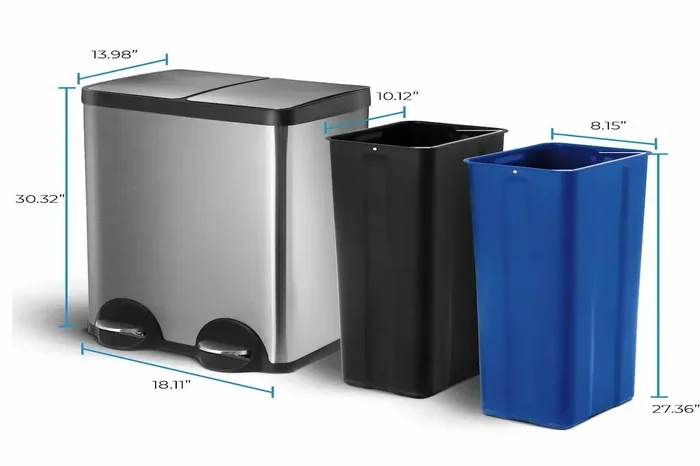
A 13-gallon kitchen garbage can typically measures about 12 to 15 inches wide and 20 to 25 inches tall. It fits under most standard sinks and in most kitchen cabinets. Most trash bags sold in rolls are designed to fit this size perfectly.
This is the go-to choice for singles, couples, and small families. If you are not sure what size to buy, 13 gallons is a safe and smart starting point.
Small Trash Cans (4 to 8 Gallons)
Small kitchens, dorm rooms, and office spaces call for a compact trash can. These 4 to 8-gallon bins take up minimal space and work well for light daily waste.
Common uses for a small kitchen trash can include:
- Single-person households with minimal cooking
- Apartment kitchens with limited floor space
- Countertop bins for quick food scraps
- Bathroom or office trash that doubles as a secondary bin
These cans are often 8 to 12 inches wide. They slip easily into tight corners and small cabinets. The trade-off is that you will need to empty them more frequently, sometimes twice a day during heavy cooking weeks.
Medium Trash Cans (10 to 16 Gallons)
The 13-gallon can sits right in the middle of this range. But if you have a larger family or cook often, a 16-gallon can be a great step up without being overly bulky.
A 10 to 16-gallon household trash bin works well for families of three to five people. It handles daily cooking waste, packaging, and recycling without needing constant attention. These cans usually measure 14 to 18 inches wide and 24 to 28 inches tall.
Large Trash Cans (20 to 32 Gallons)
Large families and frequent entertainers often need more capacity. A large kitchen trash can in the 20 to 32-gallon range handles heavy waste loads with ease.
These cans are best suited for open kitchens or pantries where floor space is not a constraint. They do require larger trash bags, and they may not fit under standard sinks. But if you hate taking out the trash multiple times a day, a big can is a game changer.
Common Kitchen Trash Can Sizes Compared
Not sure which size fits your needs? Here is a quick comparison of the most popular trash can sizes for kitchens.
| Size | Typical Dimensions (W x D x H) | Best For | Bag Size Needed |
|---|---|---|---|
| 4-8 Gallons | 8-12″ x 8-10″ x 12-16″ | Small kitchens, apartments | 4-8 gallon bags |
| 10-13 Gallons | 12-15″ x 12-14″ x 20-25″ | Standard homes, couples | 13 gallon bags |
| 16-20 Gallons | 14-18″ x 14-16″ x 26-30″ | Large families, heavy cooks | 16-20 gallon bags |
| 25-32 Gallons | 16-20″ x 16-18″ x 30-36″ | Open kitchens, entertaining | 25-32 gallon bags |
Keep in mind that these are approximate measurements. Always check the specific product dimensions before purchasing. A can labeled 13 gallons can vary by an inch or two between brands.
How to Choose the Right Size for Your Kitchen
Choosing the right kitchen trash can is not just about picking a random number. There are a few practical factors that guide the best decision for your home.
Step 1: Measure Your Available Space
Grab a tape measure. Check the width, depth, and height of the area where the can will live. Under-sink cabinets are the most common spot, but some people prefer a freestanding can in a pantry or corner.
Remember to account for clearance. A pedal trash can needs extra depth for the foot pedal mechanism. A swing-top lid needs height clearance when opening. These details matter more than most people realize.
Step 2: Estimate Your Daily Waste
Think about how much trash your household generates in a typical day. A couple who mostly eats out might produce very little. A family of five cooking three meals a day creates a lot more.
As a general rule, a household of two to three people generates enough waste to fill a 13-gallon can in about three to five days. Larger households may need a bigger can or more frequent trips to the bin.
Step 3: Consider Your Trash Bag Type
Not all trash bags are the same. Trash bag size directly affects which can you should buy. Most grocery and home stores sell bags labeled by gallon size. Matching your can to standard bag sizes saves you from cutting bags or dealing with messy overhangs.
A 13-gallon can works with the most common and affordable bag sizes. This makes it the easiest and most budget-friendly option for most homes.
Step 4: Think About Material and Style
The material of your kitchen garbage can affects both durability and appearance. Here are the most common options:
- Stainless steel: Sleek, durable, and easy to wipe clean. It resists fingerprints and complements modern kitchens.
- Plastic: Lightweight, affordable, and available in many colors. Great for budget-friendly options.
- Wood or bamboo: Adds a warm, natural look to rustic or farmhouse-style kitchens.
- Metal with enamel coating: A vintage or retro option that adds character to classic kitchen designs.
Each material has pros and cons. Stainless steel tends to last the longest, but plastic cans are easier to replace if they get damaged. Choose based on your kitchen style and how much use the can will see daily.
Step 5: Decide on a Lid and Opening Style
The lid style affects both function and aesthetics. Here are the most popular options:
- Pedal-operated: Opens with your foot for hands-free use. This is the most hygienic option for food waste.
- Swing-top (lift-up lid): Opens with a push on the lid itself. Simple and reliable.
- Push-top: Press the lid to open, it springs back closed. Compact design.
- Removable lid: No moving parts. Easy to clean and very affordable.
- No lid: Open-top design. Best for under-sink cans where odor is less of a concern.
If you want a hands-free experience, a pedal trash can is worth the extra investment. It keeps your hands clean and makes the whole process smoother.
Best Practices for Kitchen Trash Can Maintenance
Once you find the right standard kitchen trash can, keeping it clean and functional is key. A well-maintained can lasts longer and keeps your kitchen smelling fresh.
Regular Cleaning Routine
Wipe down the outside of your can at least once a week. For the inside, use a liner bag to keep the walls clean. When a bag gets dirty, simply remove it and rinse the can with warm soapy water. Let it dry completely before adding a new bag.
Odor Prevention Tips
Trash cans can develop stubborn odors over time. Try these simple tricks:
- Use baking soda at the bottom of the can to absorb smells
- Double-bag smelly waste like meat scraps or dairy
- Empty the can every two to three days during warm weather
- Use trash bags with built-in odor control
- Place a small sachet of activated charcoal inside the can
Bag Fitting Tips
Getting the trash bag to fit properly makes a huge difference. The bag should hug the sides of the can without bunching up at the top. If the bag is too small, it slips inside and waste touches the can walls. If it is too large, it creates messy overhang.
For a 13-gallon can, a 13-gallon trash bag fits perfectly. If your can runs slightly smaller, you can cut the bag down. Most bags come with size markings on the side to guide you.
Popular Kitchen Trash Can Styles and Features
The best kitchen trash can for you depends on your lifestyle and kitchen setup. Let us look at some popular styles that solve common problems.
Under-Sink Trash Cans
These are the most space-efficient option. They slide right into the cabinet under your sink, keeping the bin hidden from view. Many under-sink models come in slim, tall designs that maximize vertical space.
Look for models with a pull-out drawer or a slim profile that leaves room for cleaning supplies. A well-designed under-sink kitchen trash can keeps your floor clear and your space organized.
Countertop Trash Cans
Countertop bins are perfect for quick food prep cleanup. They sit right next to your cutting board and make tossing scraps fast and easy. These are typically smaller, ranging from 1 to 5 gallons.
Some countertop models have a lid that opens with a touch or a foot pedal. This keeps your counter clean and the bin discreet. They are especially popular for people who do a lot of cooking and prep work.
Recycling and Dual-System Cans
More households are adding recycling to their kitchen routine. A kitchen recycling bin that pairs with your main trash can saves space and keeps both waste streams organized.
Some brands offer dual-compartment cans with a trash section and a recycling section in one unit. This is a great option if you want to keep things simple and streamlined.
Common Mistakes to Avoid When Choosing a Kitchen Trash Can
Avoiding these mistakes helps you pick a better kitchen waste bin the first time around.
Buying Without Measuring
This is the number one mistake. A can might look perfect online but be too wide for your cabinet. Always measure your space first and bring those measurements with you when you shop.
Ignoring the Lid Type
A can without a lid might save money upfront, but it does nothing for odor control. Even a basic swing-top lid makes a noticeable difference in keeping your kitchen fresh.
Choosing Style Over Function
It is easy to fall in love with a beautiful stainless steel can that turns out to be too small for your family. Always prioritize capacity and fit over looks. You can find attractive cans in every size.
Forgetting About Bag Availability
Some specialty cans require proprietary bags that cost more and are harder to find. Stick with cans that use standard bag sizes whenever possible. This saves money and hassle in the long run.
Expert Tips for Getting the Most Out of Your Trash Can
Here are some insider tips from people who know a lot about kitchen organization and waste management kitchen setups.
- Rotate your cans seasonally. In summer, when food waste increases, consider a slightly larger can or empty it more frequently.
- Use a can liner system. Some cans come with built-in liner systems that make bag changes fast and clean.
- Keep a small secondary bin. A tiny countertop bin for food scraps reduces the load on your main can and keeps it from getting too full too fast.
- Match your can to your cooking habits. If you meal prep a lot, you will generate more packaging waste. Size up accordingly.
- Check return policies. Buy from retailers with good return policies so you can exchange the can if the size does not work out.
These small adjustments make a big difference in how smoothly your kitchen runs each day.
How Kitchen Trash Can Size Affects Your Overall Kitchen Organization
The size of your kitchen trash can is just one piece of the kitchen organization puzzle. When you get it right, it creates a ripple effect of positive changes throughout your space.
A well-chosen can frees up cabinet space, reduces clutter on the counter, and makes waste management feel effortless instead of annoying. It also sets a good example for other household members. When the trash system is easy to use, everyone is more likely to keep things tidy.
Think about how you want your kitchen to feel. Clean, organized, and functional. The right trash can size is a simple but powerful step toward that goal.
Once you have your trash can sorted, you can focus on other kitchen upgrades. Maybe it is time to organize your pantry, upgrade your cutting boards, or try a new recipe. Speaking of which, if you love cooking and want to make the most of your kitchen space, you might enjoy learning how to make Egg In A Bagel Hole for a fun and efficient breakfast idea that uses minimal dishes.
Another great way to keep your kitchen organized is to explore smart kitchen organization tips that help you use every inch of space wisely. When your kitchen works better, your whole day feels smoother.
The goal is to create a kitchen that works for you, not against you. And choosing the right trash can is a surprisingly important part of that equation.
Conclusion
So, what size is a standard kitchen trash can? The answer is 13 gallons for most homes. But the real answer is that the best size depends on your kitchen space, family size, and daily habits.
Small kitchens do well with 4 to 8-gallon cans. Standard households thrive with 13-gallon bins. Large families and frequent cooks benefit from 20-gallon or larger options. The key is measuring your space, estimating your waste, and choosing a can that fits both.
Take the time to get this right. A well-chosen kitchen trash can makes your daily routine smoother, your kitchen cleaner, and your home more organized. It is one of those small decisions that delivers big results.
Start by measuring your available space today. Then pick a size and style that matches your needs. You will wonder why you did not do it sooner.
Frequently Asked Questions
What is the most common kitchen trash can size?
The most common standard kitchen trash can size is 13 gallons. This size fits most under-sink cabinets, uses standard trash bags, and handles daily waste for singles, couples, and small families with ease.
Can I use a 13-gallon trash bag in a 10-gallon can?
Yes, you can. A 13-gallon bag will fit a 10-gallon can, but it will have extra material at the top. To avoid messy overhang, fold the excess bag material inside the can or cut it to fit more snugly.
How often should I empty my kitchen trash can?
Most households should empty their kitchen waste bin every two to three days. In warmer months or if you generate a lot of food waste, daily emptying keeps odors under control and maintains hygiene.
What is the best material for a kitchen trash can?
Stainless steel is the most durable and easy to clean. Plastic is lightweight and budget-friendly. Wood or bamboo adds a warm aesthetic. Choose the material that best fits your kitchen style and how much use the can will get.
Does a pedal trash can need more space than a regular can?
Yes, a pedal trash can needs extra depth for the foot pedal mechanism. Measure your cabinet or floor space carefully before buying one. Typically, you need an extra 3 to 5 inches of depth compared to a standard can.
Can I use a standard trash can for recycling too?
You can, but many people prefer a separate kitchen recycling bin to keep recyclables organized. Dual-compartment cans or side-by-side bins make this easy without taking up extra space in your kitchen.