
Building a functional kitchen starts with the right tools, appliances, and pantry staples. This guide covers every essential thing you need for a kitchen, from basic cookware and cutting boards to smart storage solutions. Whether you are a beginner or a seasoned cook, you will find practical tips to create a kitchen that works for you.
Every great meal starts with a well-equipped kitchen. Whether you are moving into your first apartment or finally upgrading your home cooking space, knowing things needed for a kitchen can make all the difference. This guide breaks down everything you need in simple, practical terms. You will learn about the essential cookware, handy gadgets, and pantry items that turn a bare kitchen into a cooking powerhouse.
We have all been there. You buy a fancy recipe online, head to the kitchen, and then realize you do not have half the tools you need. That frustration is completely avoidable. With the right kitchen essentials in place, you can tackle any recipe with confidence. Let us walk through what truly matters and what you can skip.
Cooking at home does not require a professional-grade setup. It just needs the right basics. Think of this guide as your personal shopping list for building a kitchen that works hard for you. From cooking tools to food storage solutions, we have got you covered.
Key Takeaways
- Quality cookware is the foundation: A good set of pots, pans, and a sharp chef knife will cover most of your cooking needs.
- Kitchen utensils matter more than you think: Simple tools like spatulas, tongs, and mixing bowls make everyday cooking smoother.
- Smart appliances save time: Investing in a few key kitchen appliances like a blender and toaster oven boosts efficiency.
- Pantry staples keep you ready: Stocking basics like oils, spices, and grains means you can cook almost any meal at home.
- Organization is key: Proper storage containers and a clutter-free setup make your kitchen more enjoyable to cook in.
- Start simple and build up: You do not need everything at once. Focus on the essentials first and grow your collection over time.
📑 Table of Contents
- Kitchen Essentials You Cannot Skip
- Cookware and Pots and Pans You Need
- Kitchen Utensils and Handy Gadgets
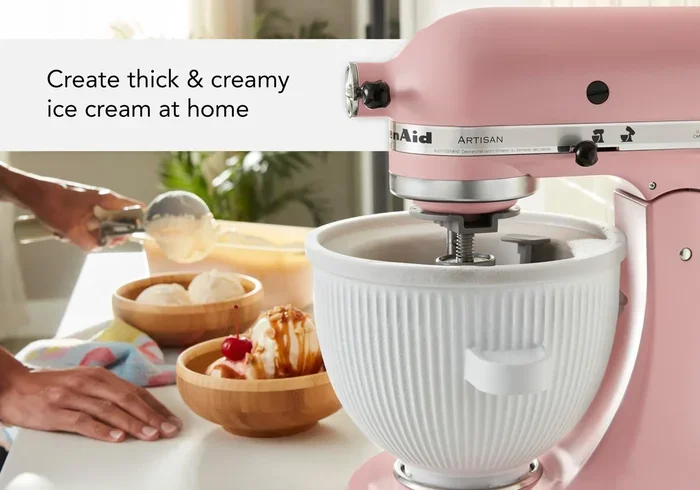
- Kitchen Appliances That Make Life Easier
- Pantry Staples and Food Storage
- Organizing Your Kitchen for Success
- Common Mistakes to Avoid When Setting Up a Kitchen
- Expert Insights on Building a Kitchen
- Quick Tips for a Kitchen Makeover
- Conclusion
Kitchen Essentials You Cannot Skip
Before you buy anything fancy, focus on the items you will use every single day. These are the backbone of any functional kitchen. Skipping them will slow you down more than you think.
A Good Chef Knife
Your chef knife is the single most important tool in your kitchen. A sharp, well-balanced knife makes chopping, slicing, and dicing faster and safer. You do not need a massive collection of knives. One quality 8-inch chef knife handles the vast majority of tasks.
Look for a knife with a full tang construction. That means the metal runs through the entire handle. It lasts longer and feels more secure in your hand. A good knife also needs regular sharpening. A dull knife is actually more dangerous than a sharp one because it requires more force and slips more easily.
A Sturdy Cutting Board
You need a cutting board that can handle daily use without splitting or sliding around. Wooden boards look beautiful and are gentle on knife edges. Plastic boards are easier to clean and dishwasher-safe. Many home cooks keep both types on hand.
Here is a quick tip. Use separate cutting boards for raw meat and vegetables. This simple habit reduces the risk of cross-contamination. It is one of those small kitchen organization wins that pays off big time.
Mixing Bowls and Measuring Cups
A set of nesting mixing bowls in different sizes covers everything from tossing salads to mixing batters. Look for bowls that are oven-safe and microwave-friendly. Stainless steel and glass are durable choices that last for years.
Measuring cups and spoons are just as important. Baking especially demands precision. A simple set of dry measuring cups and liquid measuring cups gives you accuracy without any hassle. Do not skip a kitchen scale either. It makes baking and portion control much easier.
Cookware and Pots and Pans You Need
Your cookware determines what you can cook and how well it turns out. You do not need a huge set. A few well-chosen pieces handle almost every meal.
The Nonstick Pan
A quality nonstick pan is a must-have for beginners and experienced cooks alike. It makes eggs, pancakes, and fish effortless to cook. Cleanup is a breeze too. Look for pans with a PFOA-free coating and a sturdy base that distributes heat evenly.
Avoid using metal utensils on nonstick surfaces. They scratch the coating and shorten the pan’s lifespan. Silicone or wooden spatulas are much safer. With proper care, a good nonstick pan lasts several years.
A Solid Saucepan
A medium-sized saucepan is incredibly versatile. You use it for sauces, soups, boiling pasta, and heating grains. Stainless steel is a great choice because it is durable and does not react with acidic foods. A saucepan with a fitted lid traps heat and speeds up cooking.
A Roasting Pan or Baking Sheet
Every kitchen needs a flat, heavy baking sheet. You can roast vegetables, bake cookies, and cook sheet pan dinners on it. A rimmed sheet pan prevents oil and juices from spilling onto your oven floor.
For larger meals, a roasting pan comes in handy. It handles whole chickens, lasagnas, and big batches of roasted potatoes. If you love meal prep, these two pieces become your best friends during busy weeknights.
Kitchen Utensils and Handy Gadgets
Utensils are the small tools that make cooking feel effortless. They might seem minor, but they save enormous time and frustration.
Essential Cooking Utensils
Start with a basic set of utensils. Here is what every kitchen needs:
- Spatula: For flipping and folding. A heat-resistant silicone spatula works in all pans.
- Tongs: Great for grilling, tossing salads, and serving pasta. Locking tongs store easily.
- Wooden Spoon: Perfect for stirring sauces and soups without scratching pots.
- Whisk: Needed for beating eggs, making sauces, and mixing batters.
- Ladle: Essential for serving soups and stews.
- Peeler: A Y-shaped vegetable peeler is faster and safer than a knife for most tasks.
- Garlic Press: If you cook with garlic often, this little tool is a game changer.
Gadgets That Earn Their Space
Not every gadget on the shelf deserves a spot in your kitchen. Here are a few that genuinely earn their place:
- Immersion Blender: Perfect for smooth soups and sauces right in the pot. No transferring hot liquids to a blender.
- Microplane Grater: Zests citrus, grates cheese, and minces garlic with ease.
- Silicone Spatula Set: Heat-resistant and gentle on cookware. They scrape every last bit from bowls and pans.
- Egg Slicer: A fun and fast tool for slicing boiled eggs evenly. Great for salads and garnishes.
One underrated tool worth mentioning is making an egg in a bagel hole. It is a fun and easy breakfast hack that uses minimal equipment. All you need is a bagel, an egg, and a small ring or cookie cutter. This simple technique shows how a few basic tools can create something delicious and satisfying.
Kitchen Appliances That Make Life Easier
Appliances take the hard work out of cooking. You do not need every gadget on the market. Focus on the ones you will actually use regularly.
The Blender
A blender is one of the most used kitchen appliances. You can make smoothies, soups, sauces, and even dough. A powerful motor handles frozen fruits and tough vegetables without breaking a sweat. For most home cooks, a standard countertop blender covers all needs.
The Toaster Oven
A toaster oven is incredibly versatile. It toasts bread, broils vegetables, bakes small batches, and reheats leftovers. It uses less energy than a full oven for small jobs. If you live alone or have a small kitchen, a toaster oven is a space-saving wonder.
The Electric Kettle
Do not overlook the electric kettle. It boils water faster than a stovetop pot. You use it for tea, coffee, instant oatmeal, and even blanching vegetables. It is one of those small appliances that you reach for multiple times a day.
The Food Processor
A food processor chops, slices, shreds, and purees in seconds. It is perfect for making pie crusts, salsa, and pesto. If you cook frequently and prepare meals from scratch, a food processor saves a tremendous amount of time.
Pantry Staples and Food Storage
A well-stocked pantry is the secret weapon of every great home cook. You do not need a massive pantry. Just a few smart staples and proper storage make a huge difference.
Cooking Oils and Vinegars
Keep two oils on hand at all times. Extra virgin olive oil for dressings and low-heat cooking. A neutral oil like vegetable or canola for high-heat frying and baking. A bottle of white vinegar and a bottle of apple cider vinegar cover most cooking and cleaning needs.
Spices and Seasonings
You do not need a massive spice rack. Start with these essentials:
- Salt and black pepper
- Garlic powder and onion powder
- Cumin and paprika
- Oregano and basil
- Chili flakes or cayenne pepper
- Cinnamon and nutmeg
Fresh spices lose their flavor over time. Buy in small quantities and replace them every six to twelve months. Storing spices in a cool, dark place keeps them fresh longer.
Rice, Pasta, and Grains
Dried pasta, white rice, and a few grains like quinoa or oats form the base of countless meals. These pantry staples are affordable and last for months. They are your backup plan on busy days when you do not have time to shop.
Food Storage Containers
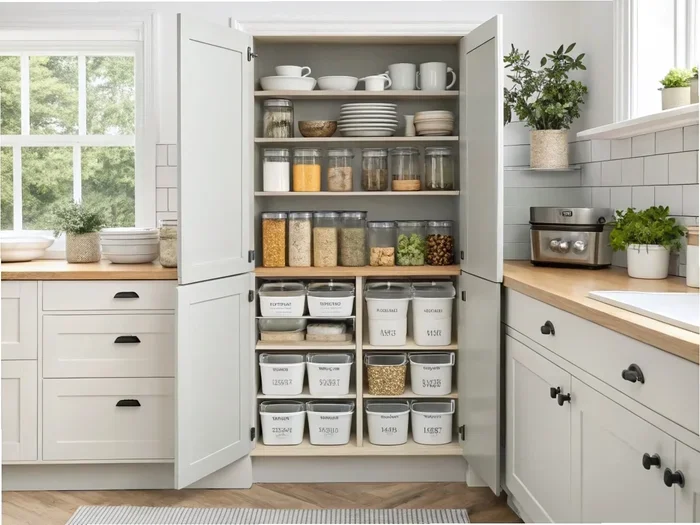
Good storage containers keep food fresh and your kitchen organized. Glass containers are microwave-safe and do not stain. Look for sets with matching lids that stack neatly. Having a variety of sizes lets you store leftovers, meal prep portions, and snacks efficiently.
Proper kitchen organization extends beyond containers. Label your containers with dates. Use clear containers so you can see what is inside without opening them. These small habits reduce food waste and save you money over time.
Organizing Your Kitchen for Success
Even the best tools lose their value in a cluttered kitchen. Good organization makes cooking faster, safer, and more enjoyable.
Start With a Clean Slate
Before organizing, clear everything off your counters. Sort through items and get rid of duplicates, broken tools, and things you never use. A clean workspace gives you a fresh start and helps you see exactly what you have.
Use Vertical Space
Wall-mounted shelves, magnetic knife strips, and hanging pot racks free up valuable cabinet and counter space. These simple storage solutions keep frequently used items within arm’s reach. They also add a decorative touch to your kitchen.
Group Items by Function
Store cooking tools near the stove. Keep baking supplies in one area. Place food storage containers together near the fridge. Grouping items by function means less searching and more cooking.
If you love experimenting with simple recipes, try making an egg in a bagel hole as a quick breakfast project. It requires only a few items from your kitchen and teaches you how minimal tools can produce great results. It is a perfect example of how organizing your essentials around simple tasks makes cooking feel natural and fun.
Create a Meal Prep Station
Designate one area of your kitchen for meal prep. Keep your cutting board, knife, mixing bowls, and storage containers in one spot. This setup reduces the back-and-forth movement that slows you down during busy cooking sessions.
Common Mistakes to Avoid When Setting Up a Kitchen
Even the best intentions can lead to mistakes when outfitting a kitchen. Here are a few pitfalls to watch out for.
Buying Too Much Too Soon
It is tempting to buy every cute gadget you see online. But most of them end up collecting dust. Start with the essentials and add specialty items only when you have a clear need for them.
Skipping Quality for Price
Cheap cookware warps, nonstick coatings peel, and plastic containers stain. Investing in a few quality pieces saves money in the long run. You use them longer and get better results.
Ignoring Storage Space
Many people focus on tools and forget about storage. Without enough space, your kitchen quickly becomes chaotic. Plan your storage before you buy new items. Make sure you have room for everything you bring home.
Overlooking Maintenance
Even the best kitchenware needs care. Hand wash your chef knife. Season your cast iron pan. Replace worn nonstick surfaces. Regular maintenance keeps your tools performing at their best for years.
Expert Insights on Building a Kitchen
Professional chefs and home cooking experts agree on one thing. The best kitchen is not the one with the most expensive equipment. It is the one with the right tools for how you cook.
Start with your cooking style in mind. Do you bake often? Invest in quality baking sheets and mixing bowls. Do you cook Asian dishes? A wok and a sharp cleaver become priorities. Your cooking basics should reflect your habits, not a generic checklist.
Another expert tip is to build your kitchen gradually. You do not need to outfit everything at once. Start with the essentials, cook with them for a few weeks, and then identify what is missing. This approach prevents waste and ensures every purchase earns its place.
Remember that a kitchen is a workspace. It should feel functional and inspiring. Add personal touches like a small herb garden, a favorite mug, or a beautiful spice rack. These details make the space feel yours and encourage you to spend more time cooking.
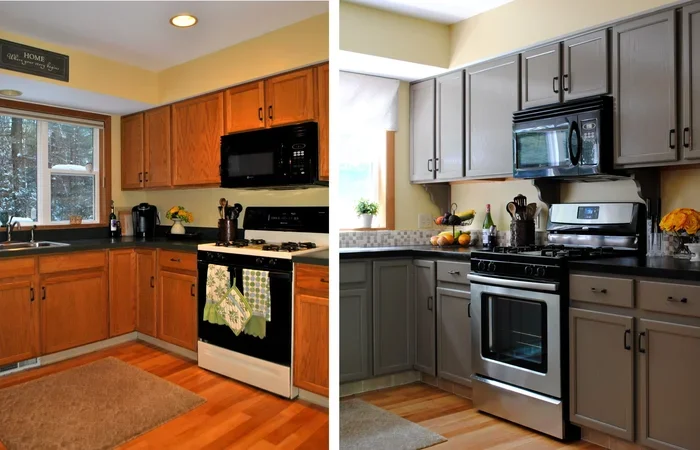
Quick Tips for a Kitchen Makeover
Want to upgrade your kitchen without a huge budget? Try these quick wins:
- Replace worn cutting boards with fresh ones. A good board improves prep speed and safety.
- Add a magnetic spice rack above your stove. It keeps seasonings within reach and frees up cabinet space.
- Invest in a set of silicone spatula tools. They replace scratched plastic utensils and handle high heat.
- Use clear jars for dry goods like rice, pasta, and flour. They look tidy and help you track what you have.
- Upgrade your dish towels to absorbent, stylish ones. Small touches make a big difference in kitchen feel.
- Keep a small bowl on the counter for scraps while cooking. It reduces trips to the trash and keeps your workspace clean.
Conclusion
Setting up a kitchen is an exciting journey. The things needed for a kitchen boil down to a few core categories: quality cookware, essential utensils, reliable appliances, pantry staples, and smart storage. You do not need to buy everything at once. Start with the basics, cook regularly, and let your needs guide your next purchase.
A well-organized kitchen makes cooking faster, safer, and more enjoyable. Every tool you add should earn its place by making your time in the kitchen better. Whether you are whipping up a quick weeknight dinner or trying a fun recipe like an egg in a bagel hole, having the right setup makes all the difference.
Take the time to assess what you have, fill in the gaps, and build a kitchen that supports the way you cook. You will be amazed at how much more enjoyable home cooking becomes when everything is in its place. Happy cooking!
Frequently Asked Questions
What are the absolute must-have items for a new kitchen?
A chef knife, a cutting board, a nonstick pan, a saucepan, a spatula, tongs, mixing bowls, and a set of measuring cups. These basics cover the vast majority of cooking tasks and give you a solid starting point without overwhelming your budget.
How many pots and pans do I really need?
Most home cooks do well with three to four pieces: a large pot for pasta and soups, a medium saucepan for sauces, a nonstick skillet for eggs and delicate foods, and a baking sheet for roasting. You can always add more as your cooking skills grow.
What kitchen appliances are worth the investment?
A blender, toaster oven, electric kettle, and food processor are the most versatile appliances for home cooks. They handle a wide range of tasks and save significant time compared to doing everything on the stovetop or in a full-size oven.
How do I organize a small kitchen effectively?
Use vertical space with wall shelves and hanging racks. Group items by function and store them near where you use them. Clear containers and labels help you see what you have at a glance and reduce clutter quickly.
Can I set up a functional kitchen on a tight budget?
Absolutely. Focus on a few high-quality essentials like a good knife, a nonstick pan, and basic utensils. You can find affordable cookware sets and build your collection over time. A functional kitchen does not require expensive equipment.
What pantry staples should every home cook keep on hand?
Stock up on cooking oils, vinegar, salt, pepper, garlic, and a few core spices like cumin, paprika, and oregano. Dried pasta, rice, and canned tomatoes are also incredibly versatile and form the base of countless quick meals.